
Last updated November 22, 2026
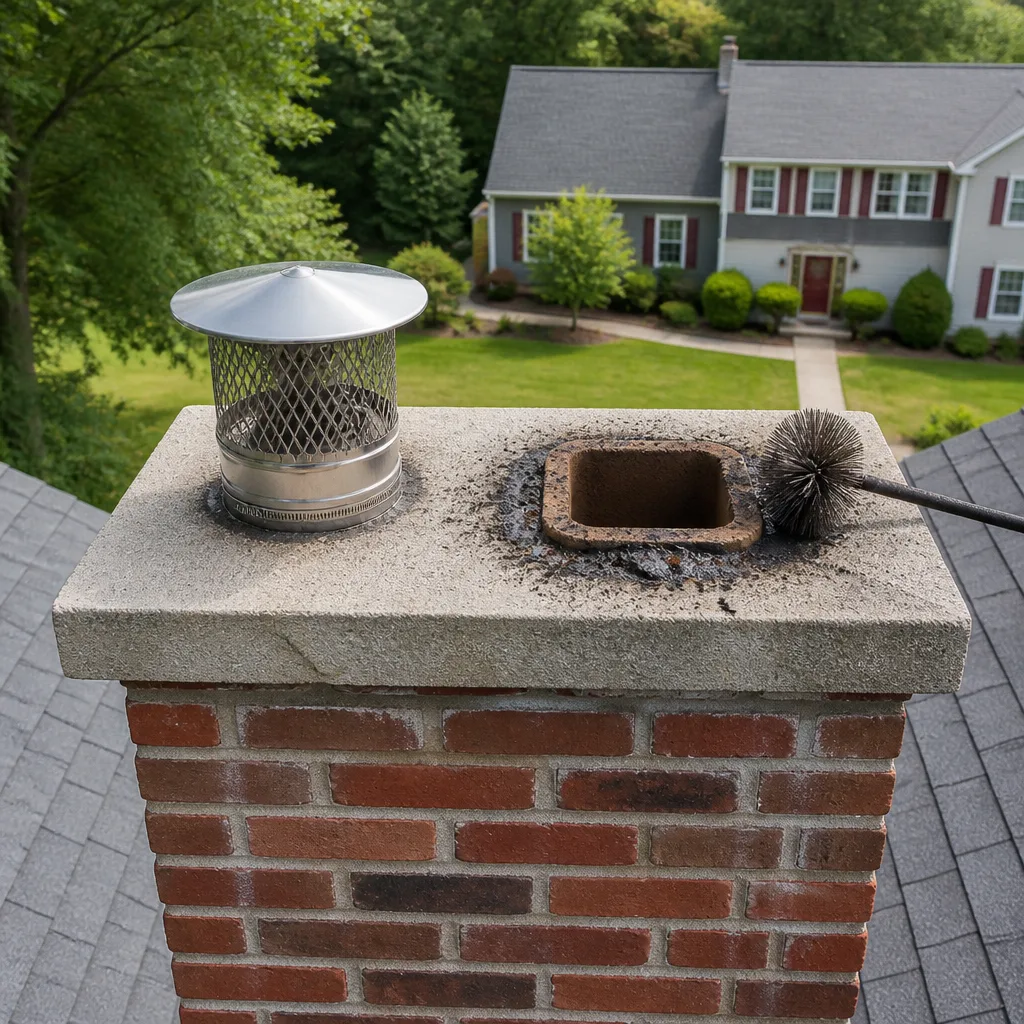 Sweep & inspection
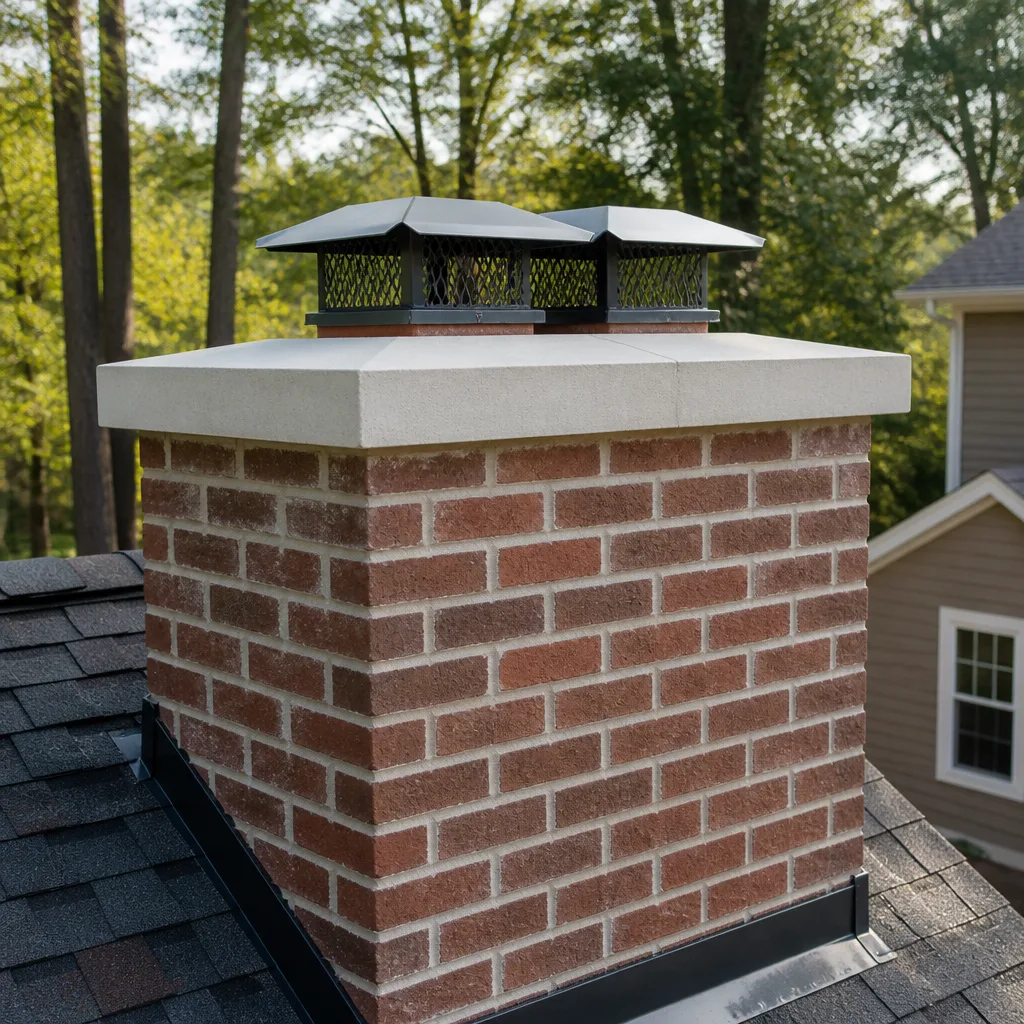 Caps & crowns
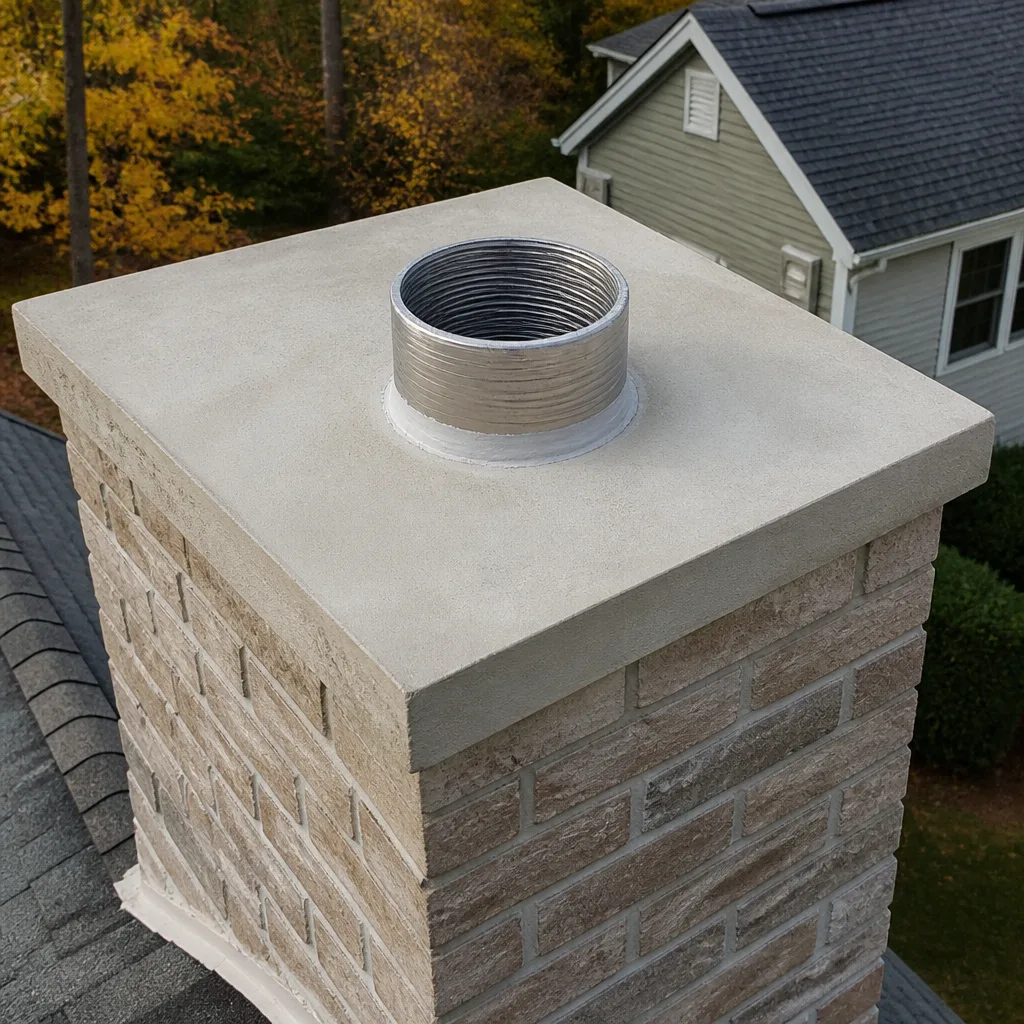 Flue relining
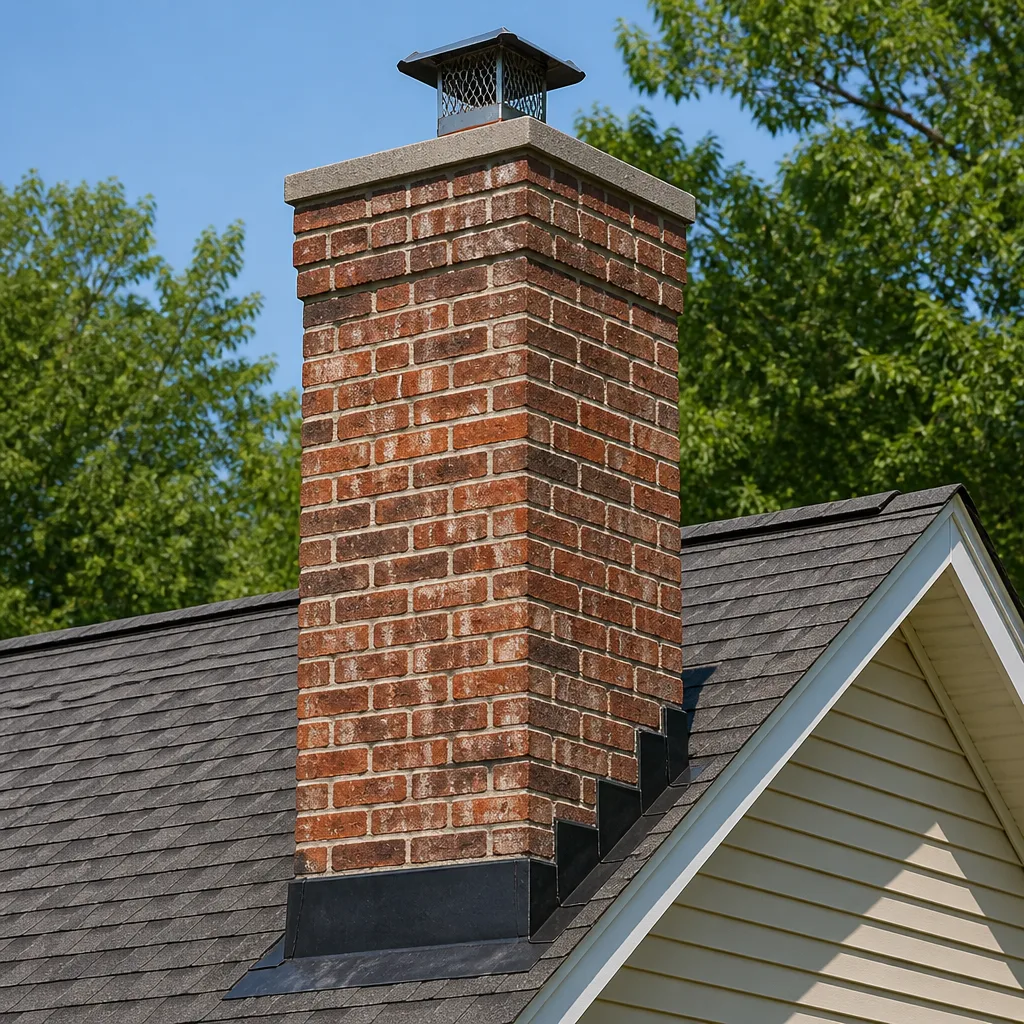 Masonry repair
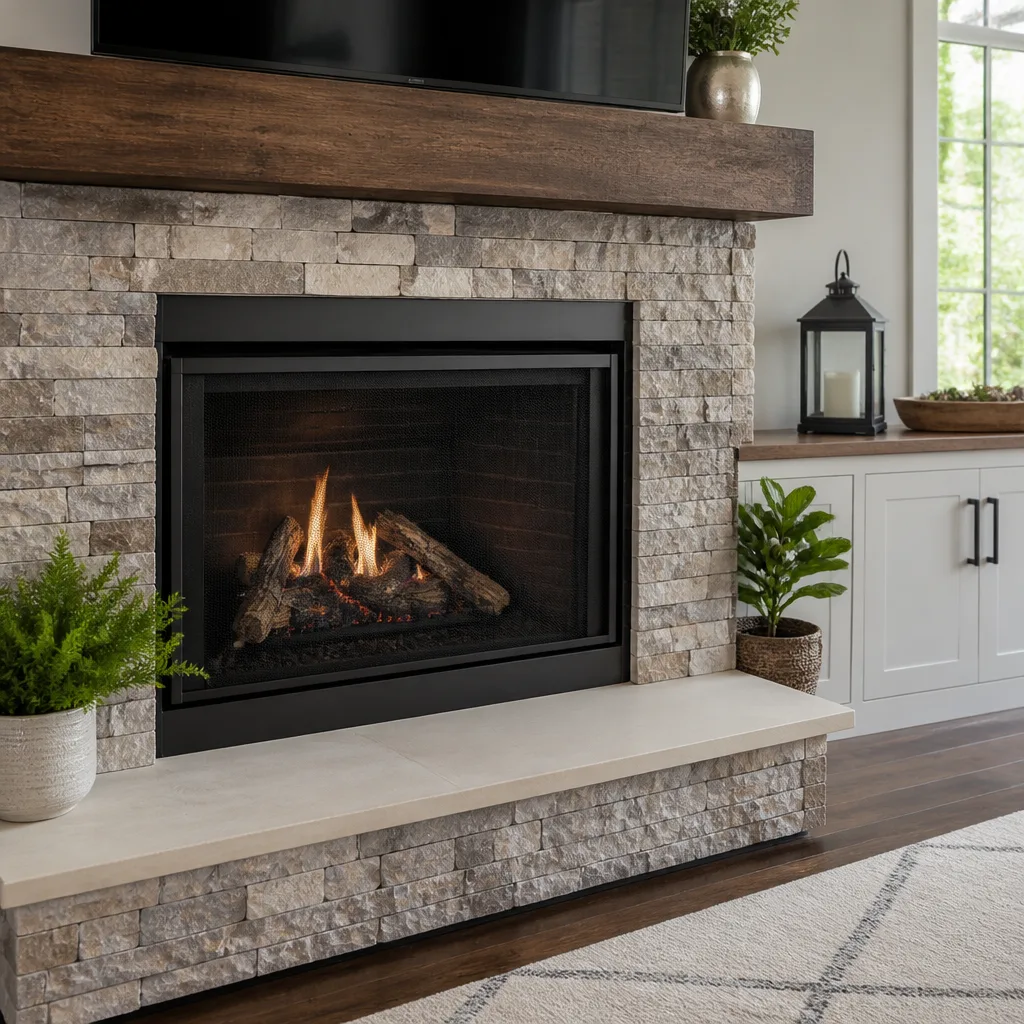 Gas fireplace service
Level 1 sweep and inspection to the NFPA 211 annual standard - flue, crown, cap, and flashing checked and photographed
Chimney sweep logs do not sweep chimneys. They loosen some creosote - which then falls where a brush and vacuum still have to collect it.
How to Hire a Chimney Cleaning Contractor in West Hills: A Step-by-Step Guide
A CSIA certification decal on a website doesn’t tell you whether the person who shows up has ever repaired a liner or just runs a brush through the flue. That gap matters more in West Hills than in most places. The local market is crowded with general handymen who list chimney sweeping as a side service, and a homeowner with a wood-burning fireplace can’t tell a specialist from an add-on operation until the work begins. This guide gives you a screening framework: the questions to ask by phone, the estimate details that separate a real chimney company from a brush-and-run outfit, and the California channels you can use to verify insurance and complaint history before anyone steps onto your roof.
Quick Answer
Hire a chimney contractor in West Hills by confirming four things before booking: that the company does structural repair and liner work in-house (not just sweeping), that they use camera inspection and give you photos of what they find, that they carry current liability insurance and can show you the certificate, and that their written estimate lists the inspection level and materials by name. Certification alone doesn’t confirm repair capability. Ask what the technician is certified to do, not just whether a certification exists.
Styles & brands we work with
- Sweep & inspection
- Caps & crowns
- Flue relining
- Masonry repair
- Gas fireplace service
Table of Contents
- Specialist vs. Generalist: What the Difference Really Means
- CSIA, NFI, and Unlicensed: What Each Certification Covers
- Five Phone-Screen Questions That Reveal a Specialist
- What a Legitimate Estimate Includes
- West Hills Red Flags: Pricing Too Low, No Camera, No Cap Talk
- How to Verify Insurance and Complaint History in California
- What to Expect on the Day of the Sweep
- Common Mistakes to Avoid
Specialist vs. Generalist: What the Difference Really Means
A chimney specialist handles the full lifecycle of the flue. That means inspection, sweeping, cap and crown work, liner repair, and structural fireplace and chimney repair. A generalist handles the sweep and refers the rest out, or attempts work they aren’t equipped for. The distinction sounds academic until the day your sweep finds a deteriorated liner and the company that showed up can’t do anything but hand you a business card for somebody else.
In West Hills, many homes were built in the mid-twentieth century and have masonry chimneys that have gone through decades of use, seismic movement, and seasonal heat. That aging stock makes liner condition and crown integrity the two things most likely to need attention. A company that only sweeps will clean the flue and tell you it looks fine. A specialist will run a camera, photograph the liner joints, and show you exactly where the mortar has spalled.
Ask any contractor whether they can move from diagnosis to repair without a handoff. If the answer is that they’ll recommend someone, that’s useful information. It tells you they’re a cleaning operation, not a chimney company.
- Full-service: inspection, sweeping, cap and crown installation, liner restoration, fireplace repair, and structural chimney repair under one company.
- Add-on service: sweeping only, with referrals for everything else. Fine if your chimney is verified clean and sound, but you’ll need a second call the moment something is found.
- The middle ground: some companies sweep and install caps but can’t handle a reline. Ask specifically which services are performed by their own technicians.
The practical test: ask what happens if the inspection finds a cracked flue tile. A specialist answers with a plan. A generalist answers with a phone number.
CSIA, NFI, and Unlicensed: What Each Certification Covers
Certifications tell you what a technician is qualified to evaluate and perform. They don’t all mean the same thing, and none of them means the company you’re calling can repair a chimney.
CSIA (Chimney Safety Institute of America) certification is the most recognized credential in the sweeping trade. It covers chimney and venting inspection and cleaning standards. A CSIA-certified sweep knows how to evaluate a flue and document what they see. What it doesn’t automatically confer is structural repair capability. A CSIA-certified technician can correctly identify that your liner has failed. Whether the company can restore or replace it depends on their equipment, materials, and training, which are separate from the certification itself.
NFI (National Fireplace Institute) certification addresses hearth appliances specifically, including gas and wood-burning systems. It’s relevant if your home has a gas fireplace or a wood stove where venting and appliance performance matter. Some technicians hold both. Asking which certification applies to your specific appliance is a reasonable question.
Unlicensed or uncertified is the category to approach with caution. California does not require a state-level chimney sweep license the way it requires a contractor license for structural work, which means the certification question becomes even more important. If a company is doing structural repair or liner work, ask about their contractor licensing separately from their sweep certification. Those are different things and a legitimate company will explain both without hesitation.
The screening point: certification confirms knowledge of the trade. It does not confirm that the company standing in your driveway carries the materials and brand relationships to restore a failed liner. That’s what the next set of questions is for.
Five Phone-Screen Questions That Reveal a Specialist
You can learn most of what you need in a five-minute call. These questions are designed to be answerable by a real chimney specialist and awkward for a generalist trying to sound like one.
- “What level of inspection will you perform, and will I get a written report with photos?” A specialist names the inspection level and confirms photo documentation is standard. A generalist usually says something vague about “checking it out” and mentions a report only if pressed.
- “If you find a cracked liner, can you repair or restore it, or do I need another contractor?” Listen for specifics. Companies that offer HeatShield liner restoration or DuraFlex flexible liner installation are telling you they operate at the material level, not just the brush level. Companies that answer with “we’d refer that out” are being honest, and you now know their scope.
- “What brands do you work with?” A specialist mentions products by name because they use them. Names like Gelco, Olympia Chimney, Famco, or Copperfield signal a company that has real relationships with chimney product manufacturers. Nobody stocks brand knowledge they never use.
- “Do you inspect and report on the cap and crown condition, and can you install a replacement?” The sweep is the starting point, not the finish line. A cap that’s missing or a crown that’s cracked lets water into the flue and shortens the life of everything beneath it. Companies that stop at cleaning don’t usually bring this up.
- “What does your estimate include, and is it in writing before you start?” A legitimate estimate specifies scope, inspection level, materials, and the cost of any recommended work. It’s set per job and confirmed in writing. If the answer is a number over the phone with no detail, that’s not an estimate.
Write down the answers. Comparing four companies on the same five questions tells you more than comparing their websites.
What a Legitimate Estimate Includes
A real chimney estimate is a document, not a verbal number. Before you book, ask what will be in the written estimate. Here’s what a trustworthy one contains.
- Scope of inspection: which level of inspection is being performed and what it covers. Basic visual, accessible, and more thorough camera work are different scopes with different findings.
- Materials named by brand: if a cap, crown, or liner is being quoted, the estimate names the product. “Standard cap” tells you nothing. A specific brand and model tells you what’s going on your chimney.
- Photo documentation of findings: before-and-after photos of the flue interior, the crown, and the cap. You should be able to see exactly what the technician saw.
- Written report of condition: a written summary of what was found, what needs attention sooner, and what can safely wait. A report that flags no urgency on a sound chimney is as valuable as one that flags a problem.
- Pricing separated by task: the sweep cost and any recommended repair costs listed separately, each with its own line. Nothing bundled into a lump sum that obscures what you’re paying for.
- A statement of what the written estimate governs: the final price is the written estimate, and it’s agreed before the work is booked, not after.
What it should not include: pressure to decide on the spot, a discount that expires today, or a number for liner work delivered before any camera inspection has been done. Liner replacement priced without looking inside the flue is guesswork dressed as an estimate. Any recommendation should come with camera evidence you can review yourself. If a company can’t show you the problem, don’t pay to fix it.
West Hills Red Flags: Pricing Too Low, No Camera, No Cap Talk
The San Fernando Valley chimney market has its own warning signs. Here’s what to watch for in West Hills specifically.
- Pricing too low to include an inspection. A sweep price that doesn’t cover an inspection means the technician cleans and leaves without evaluating the flue. You get a clean chimney and no information. The inspection is where the value is.
- No camera equipment mentioned. A visual inspection from the firebox can’t see the upper flue or the liner joints. Ask directly whether the company uses a camera. If they don’t, they can’t tell you the liner’s condition with any confidence.
- No mention of cap or crown condition. A specialist inspects the crown and cap as part of every visit because water intrusion from a failed crown is one of the most common causes of chimney deterioration. A company that never brings it up isn’t looking.
- Sweeping listed as one of fifteen services on the website. Gutter cleaning, pressure washing, handyman work, and chimney sweeping on the same page usually means chimney is the side job. That’s a business model, and you’re welcome to hire it, but go in knowing what you’re getting.
- No written estimate before work begins. The price is set by a written estimate before booking. If a company wants to start and “figure out the cost after,” that’s not how a professional operation runs.
- No verifiable insurance. Any company working on your roof should be able to produce a certificate of insurance. If they can’t or won’t, that’s a hard stop.
- No complaints anywhere. Total silence online on a company operating in a market this size is worth a second look. Search their name alongside “complaint” and check state resources.
The pattern behind these flags is the same: a company that sweeps because it’s a service they can bill, not because chimney work is what they do. If you want the fuller picture of what a proper visit looks like, our chimney sweep page lays out the standard process start to finish.
How to Verify Insurance and Complaint History in California
Before you book, spend fifteen minutes on verification. It’s the cheapest protection available to you.
- Ask for a certificate of insurance. Request it in writing and read the dates and coverage amounts. The certificate should name the policyholder and the coverage period. An expired certificate isn’t insurance.
- Check contractor licensing for structural work. California’s Contractors State License Board (CSLB) maintains a public database you can search for licensed contractors. If the company is doing structural repair or liner work, they should be licensed for that scope. The CSLB database is free and searchable by name or license number, and it shows license status and any disciplinary actions on file.
- Search the Better Business Bureau. Look for complaint volume and how the company responded. A single resolved complaint reads differently than a pattern of unresolved ones. Read the response, not just the complaint.
- Read the low-star reviews for the pattern, not the emotion. One angry review can happen to anyone. Five reviews naming the same problem are a pattern. Look for repeated mentions of the same issue rather than any single complaint.
- Check local review platforms and neighborhood groups. West Hills has active community forums where neighbors trade contractor recommendations. Search for the company name and read what people actually say about the work, not just the price.
- Confirm the certification claims. CSIA maintains a list of certified professionals. If a company claims certification, it’s a reasonable step to confirm it through the certifying body.
This is also information a specialist is comfortable sharing. A company that hesitates when you ask for insurance details or a license number is telling you something useful. The verification takes less time than the work itself and prevents most of the bad outcomes people call us about after the fact.
What to Expect on the Day of the Sweep
Knowing the sequence helps you evaluate whether a company is doing the job right. Here’s the standard order of operations.
- Protect the work area. Drop cloths or a plastic barrier around the hearth before any equipment comes in.
- Inspect the firebox and accessible flue first. The technician looks before cleaning so the condition is documented before anything changes.
- Run the camera. A camera inspection of the flue interior captures the liner joints, any spalling, and the upper chimney interior.
- Sweep the flue. Proper brushes sized to the flue, with a vacuum running to control dust.
- Inspect the crown and cap from the roof. A specialist goes up top and photographs what they find.
- Walk you through the findings. You should see the photos and hear what was found before any recommendation is made.
- Deliver the written report. Findings, recommendations, and what can safely wait, documented in writing.
The part that often surprises homeowners is step five. The crown and cap are the chimney’s first line of defense against water, and they fail quietly. A cracked crown or missing cap slowly lets moisture into the flue structure. Companies that specialize in chimney cap & crown installation can handle replacement at the time of service, which saves a second visit and a second appointment. Our technicians have up to 9 years of experience and are trained on the materials the industry specifies, so the cap and crown recommended after a sweep are the same products a chimney professional would put on their own home.
If the inspection turns up interior damage that’s affecting how the fireplace functions, fireplace repair is the next step, and the same company should be able to scope that work as part of the report rather than handing you off. For the full picture of what we do across all five service lines, start with Chimney Sweep West Hills.
Common Mistakes to Avoid
- Choosing on price alone. A deal-priced sweep that skips the inspection isn’t a cheaper service, it’s a different service. You’re paying less because less work is being done, and you walk away without knowing the condition of your flue.
- Assuming certification covers repair. A CSIA-certified sweep can identify a failed liner. That’s valuable, and it’s not the same as being equipped to restore or replace it. Ask about repair capability separately.
- Booking a company without camera equipment. If they can’t see inside the flue beyond the firebox, their evaluation of the liner is a guess. A visual inspection from below can miss upper flue damage entirely.
- Skipping the cap and crown conversation. West Hills chimneys spend a lot of time under sun and seasonal rain. A missing cap or cracked crown lets water in year after year, and it’s the single easiest failure to prevent. Ask about it every visit.
- Not asking for the insurance certificate. Roof work and liner work both carry real risk. The certificate isn’t a formality, and a legitimate company won’t act like it is.
- Believing a liner replacement quote delivered before the camera inspection. Liner restoration is a real service, but it can only be quoted accurately after a technician has seen the flue. A number delivered over the phone or before inspection is not an estimate. Our HeatShield liner restoration and DuraFlex liner capabilities exist precisely because the right fix depends on what the camera shows.
- Treating the sweep as the whole job. The sweep is the starting point. The value of the annual visit comes from the inspection and report that accompany it.
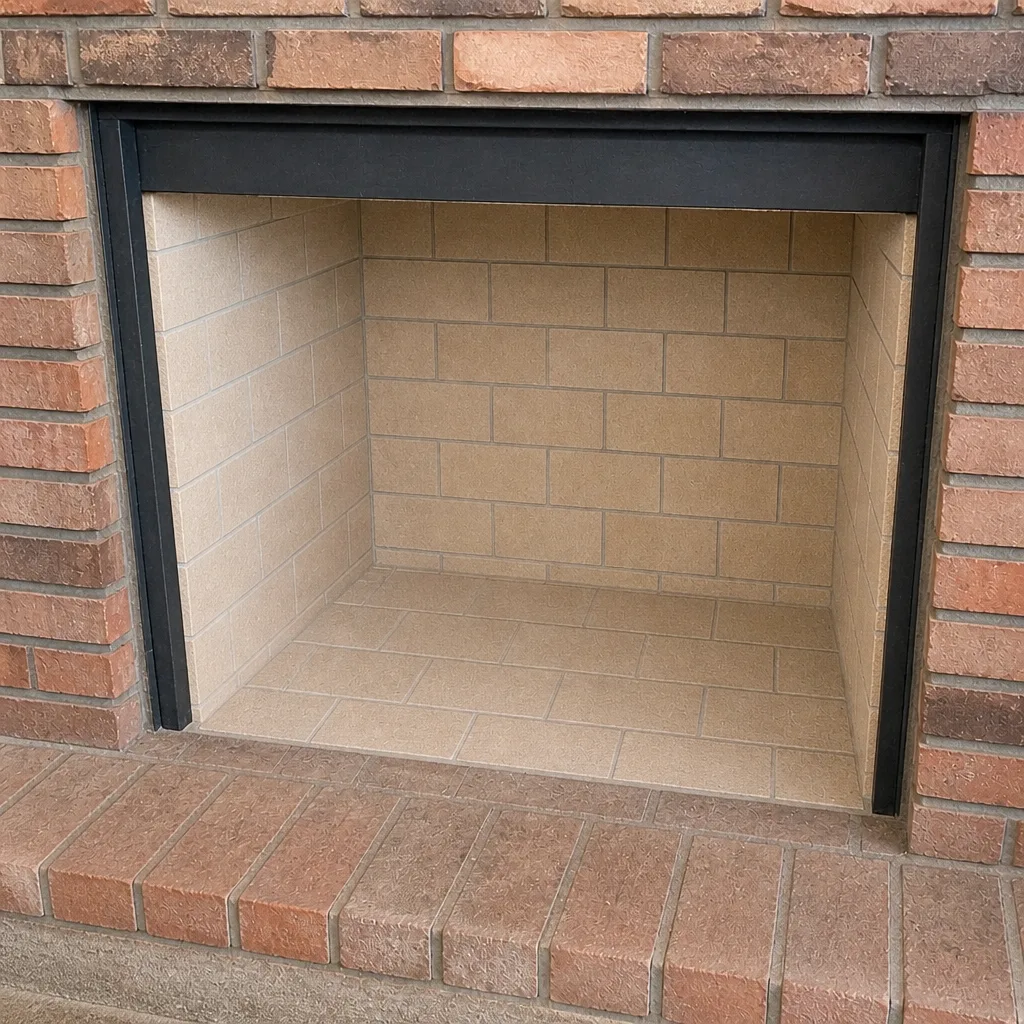
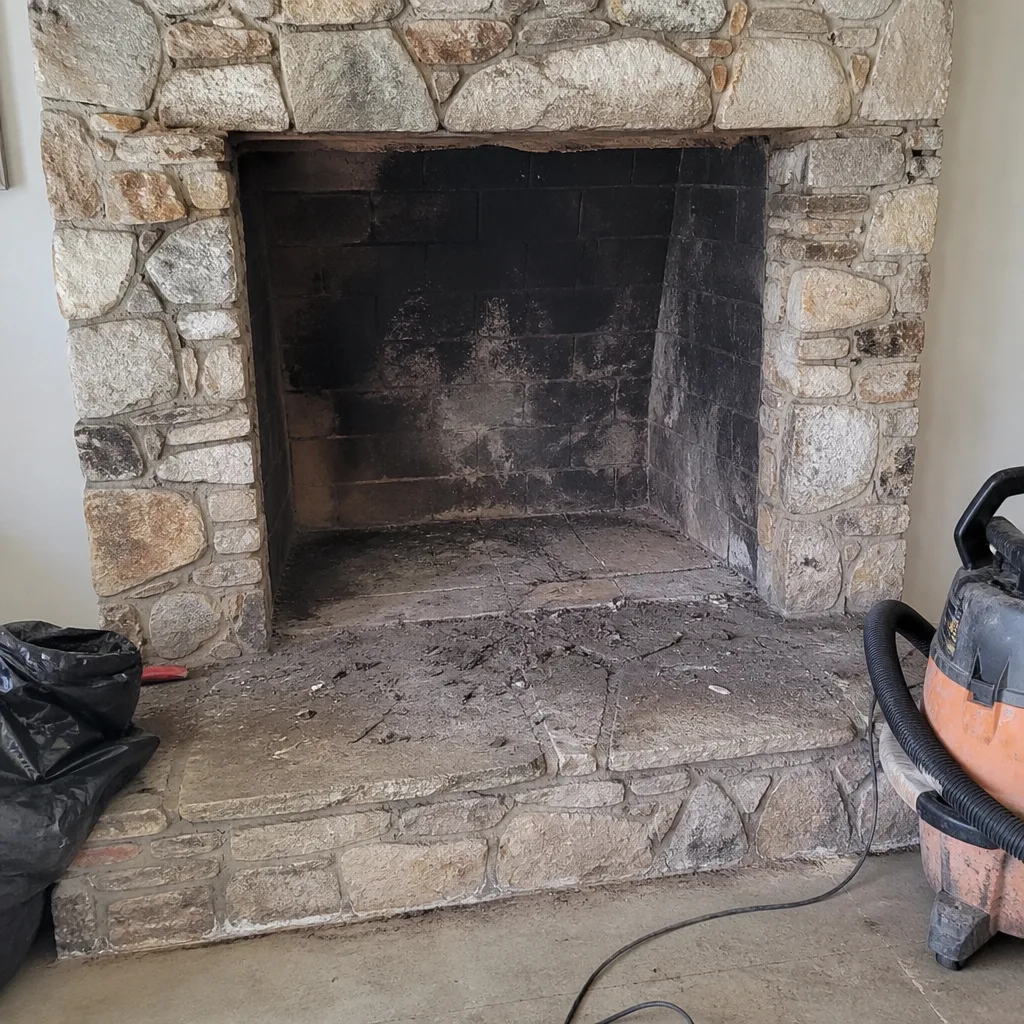
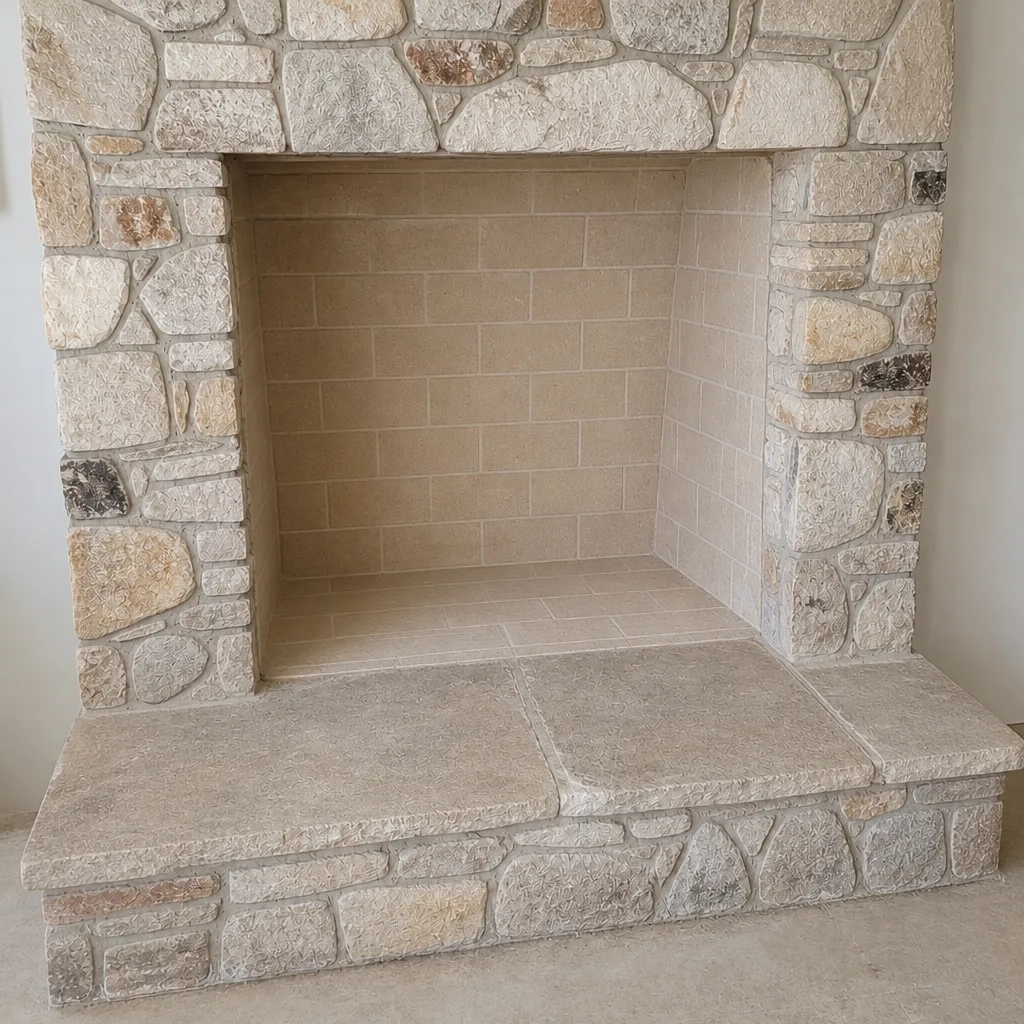
See the difference
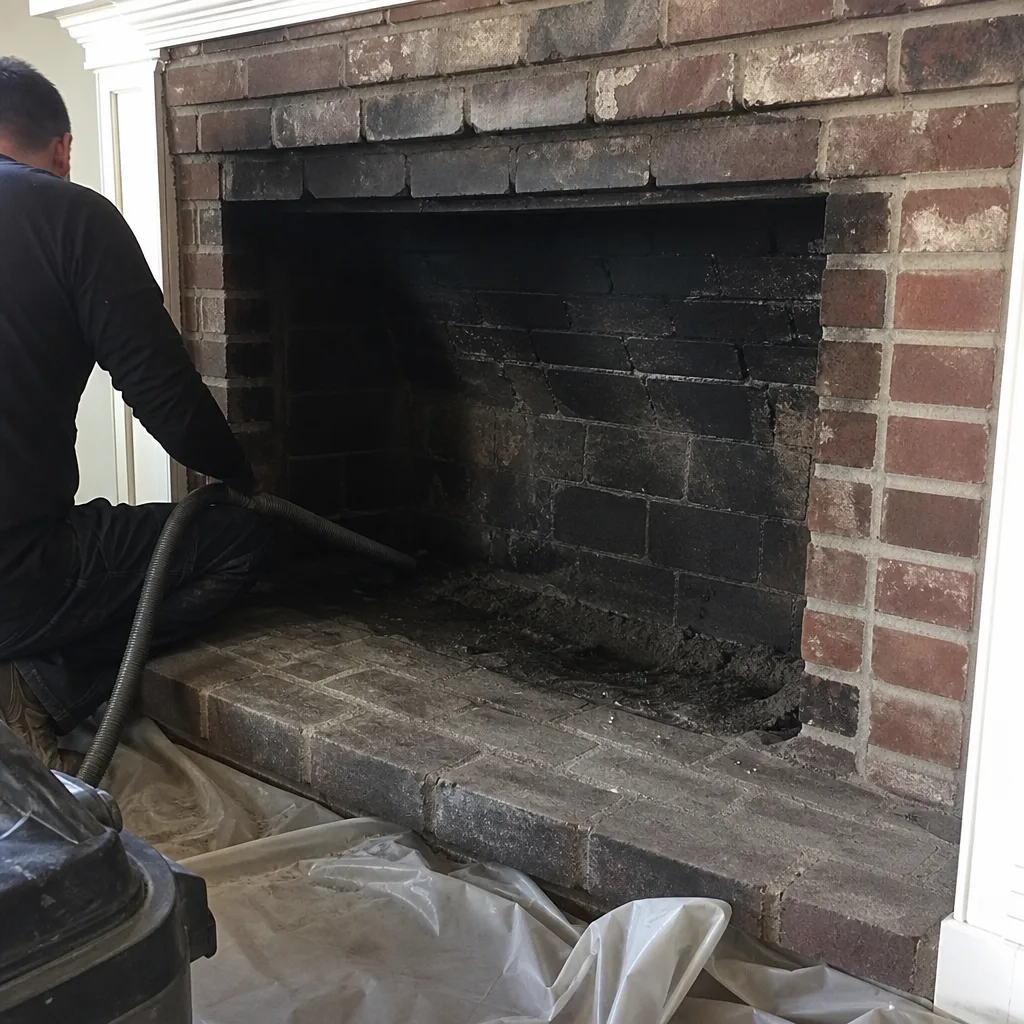 Before
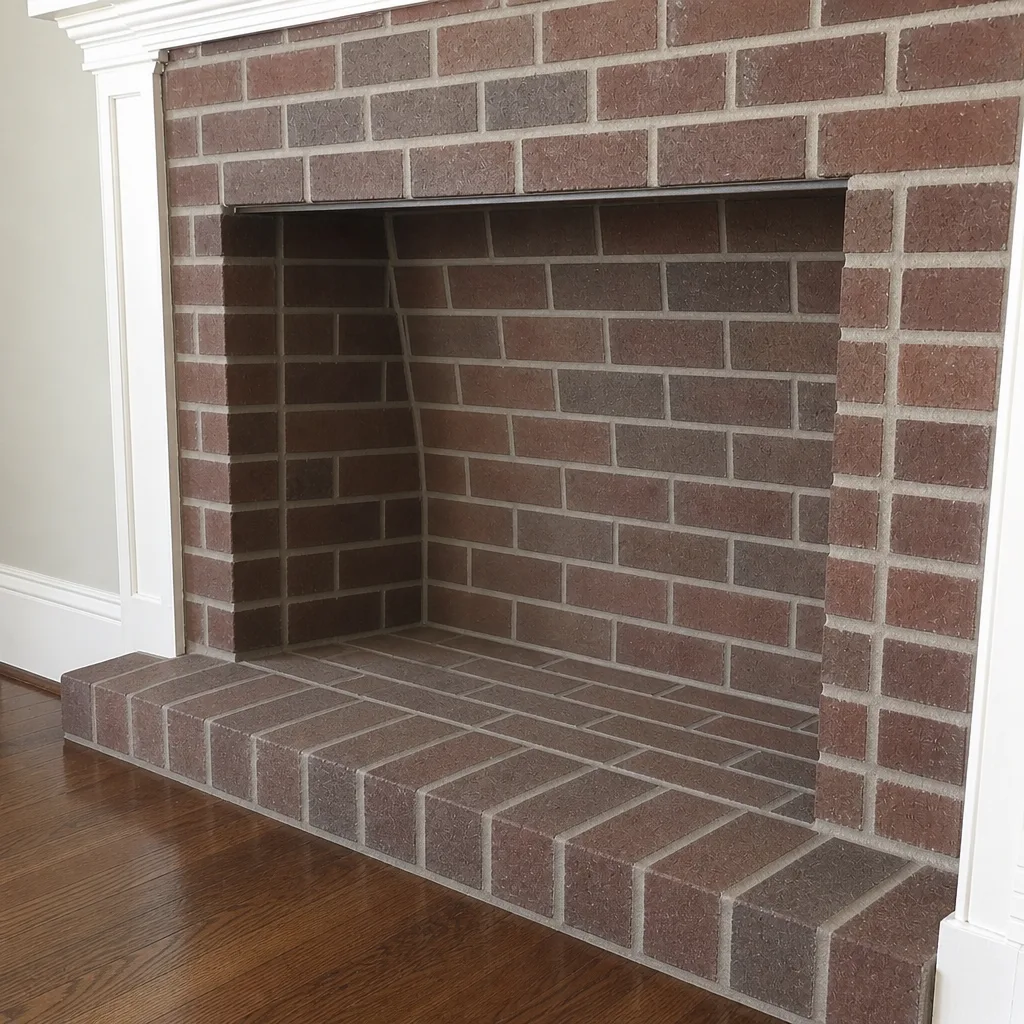 After
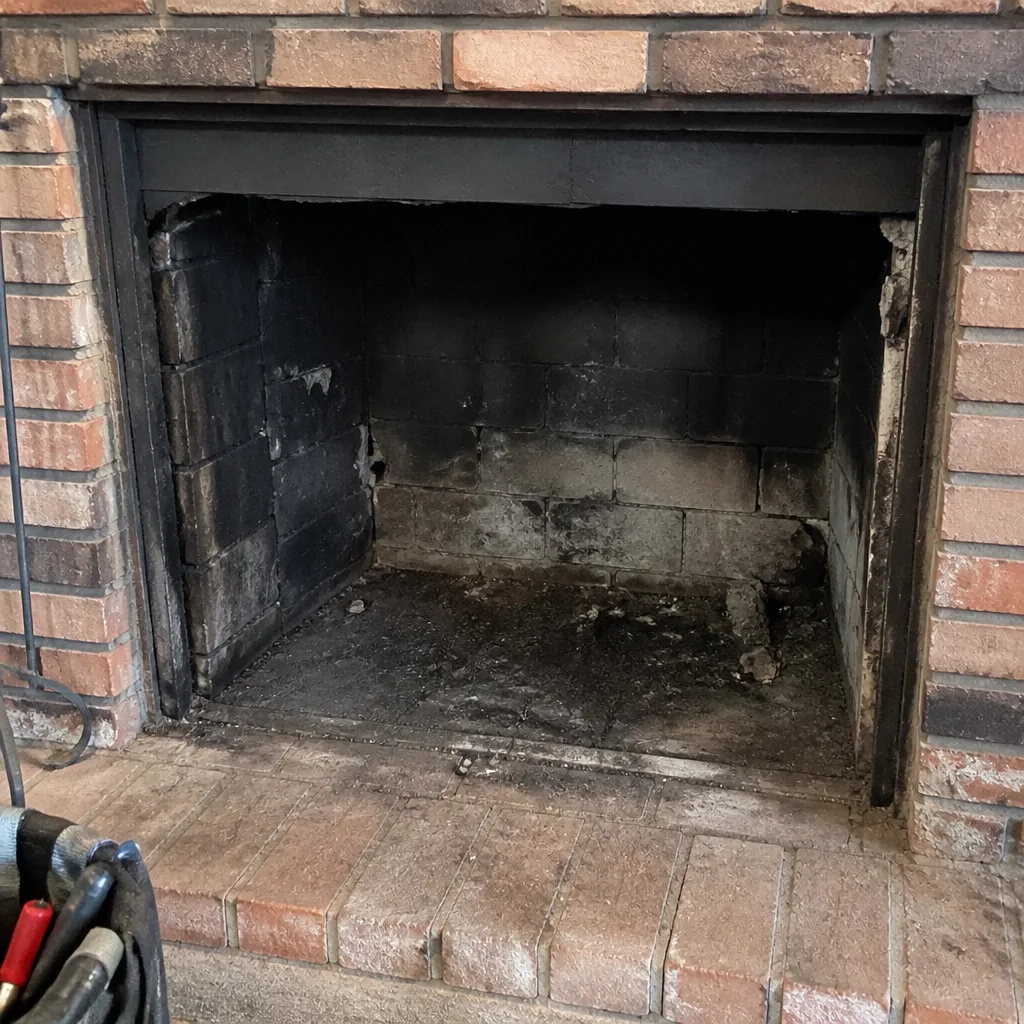 Before
 After
 Before
 After
When to Call a Professional
Some chimney situations need a trained specialist on the roof, not a visual check from the living room. Call a professional when you smell a strong creosote odor on warm days (a sign of buildup in the flue), when smoke backs into the room while the fireplace is lit, when you’ve never had the chimney inspected and don’t know its history, when the cap is visibly missing or dented, or when you’re buying or selling a home and need an inspection documented in writing. If the fireplace has a gas appliance venting through the flue, those systems need inspection on their own schedule. And if a technician ever tells you the liner has failed, ask to see the camera footage before agreeing to any work. Chimney Sweep West Hills offers free estimates in West Hills. Call (855) 337-1817. We answer 24/7. Fast dispatch from 7am to 7pm, Sunday through Friday.
Frequently Asked Questions
Most sweeps in the West Hills market fall in a range that includes a basic cleaning and a visual condition check, with camera inspection and reports typically quoted separately. Pricing is set per job by a written estimate agreed before booking, so ask for the estimate in writing before you schedule. Call (855) 337-1817 for an exact quote. Estimates are free.
You need a liner repair if the camera shows cracked, spalled, or missing flue tiles, and not otherwise. The camera evidence is the whole point. Ask to see the footage or photos yourself before approving any work. If a company can’t or won’t show you what they found, don’t authorize the repair. Call (855) 337-1817 to book a camera inspection with a written report.
Annual inspection is the baseline for any home with a wood-burning fireplace, with sweeping scheduled based on what the inspection finds and how much you burn. Homes using the fireplace regularly through the winter typically need a sweep each year; occasional users may need it less often but still benefit from the annual inspection. Call (855) 337-1817 to schedule and we’ll tell you what the flue actually needs.
Creosote accumulates in the flue and becomes harder to remove the longer it sits, and a neglected flue loses the inspection that would catch liner or crown problems early. Those are real fire and carbon monoxide risks, and we’d rather not overstate them. The honest version: maintenance you skip tends to become repair you need. Call (855) 337-1817 before the burning season to get an inspection on the calendar.
No. CSIA certification confirms a technician’s knowledge of inspection and cleaning standards, not structural repair capability. Ask the company separately whether they do liner restoration, cap and crown work, and structural repair in-house, and ask what materials they use. A specialist answers that question with specifics. Call (855) 337-1817 to ask us directly.
Yes, and you should. Ask for a certificate of insurance in writing, search the California Contractors State License Board database for structural work licensing, and check the Better Business Bureau for complaint patterns. Fifteen minutes of verification protects you from most of the problems that come up later. Call (855) 337-1817 if you want to walk through what your estimate should include before you book.
The Bottom Line
Hiring a chimney contractor in West Hills comes down to distinguishing a specialist from an add-on operation. Confirm that the company does inspection, sweeping, liner work, and cap and crown installation in-house, not through referrals. Insist on camera inspection with photos and a written report you can review. Ask for the insurance certificate and check California channels for licensing and complaint history. And treat any recommendation as verifiable only when it’s backed by footage of the problem. A clean chimney is the starting point, not the finish line. Protect the flue, protect the home. Call (855) 337-1817 for a free estimate. We answer 24/7. Fast dispatch from 7am to 7pm, Sunday through Friday.
Written by the team at Chimney Sweep West Hills.