
Last updated November 22, 2026
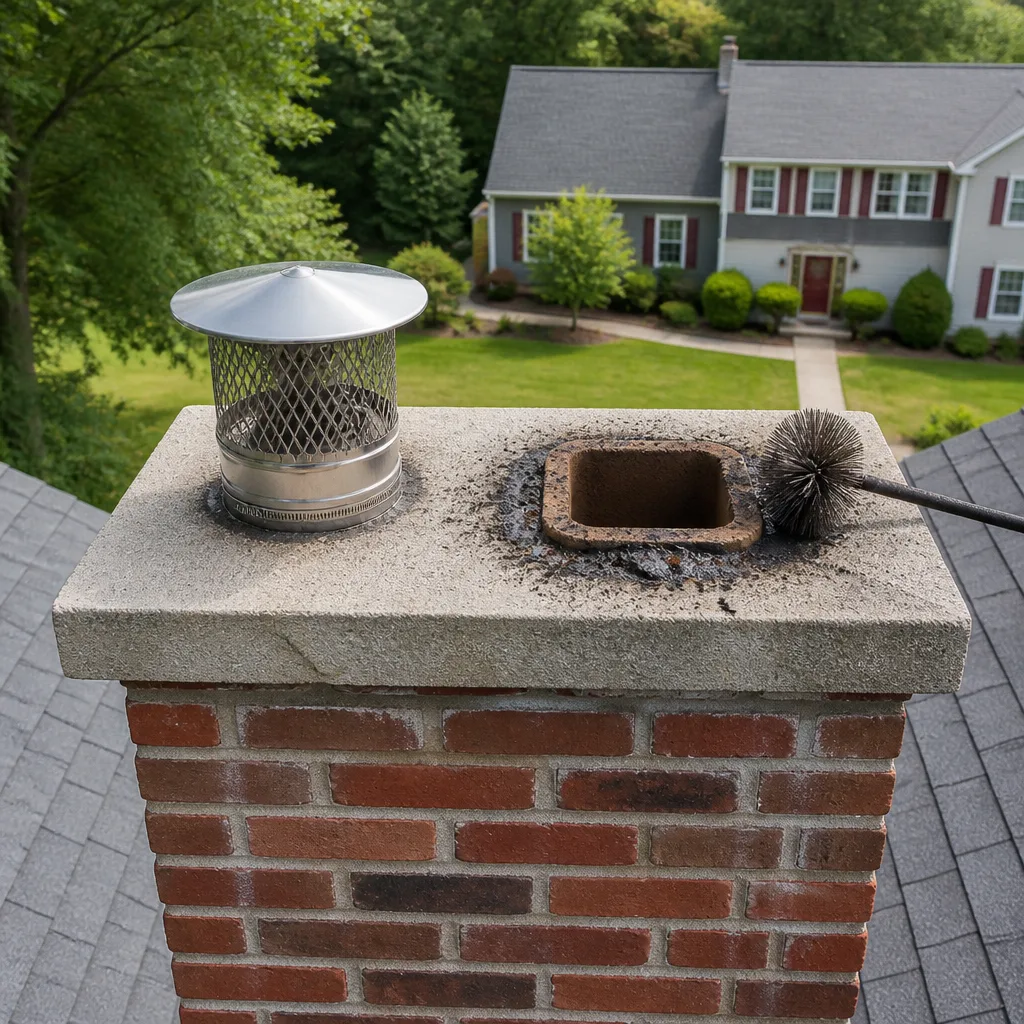 Sweep & inspection
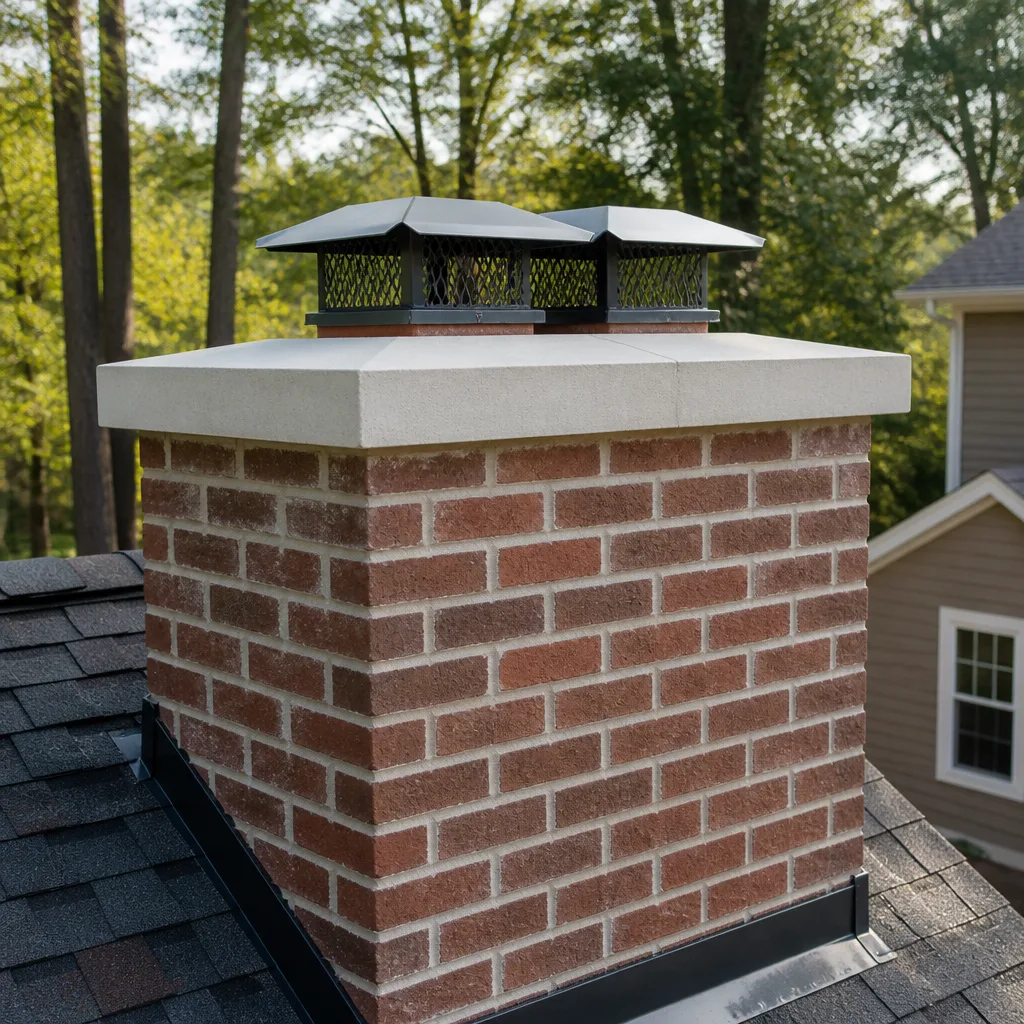 Caps & crowns
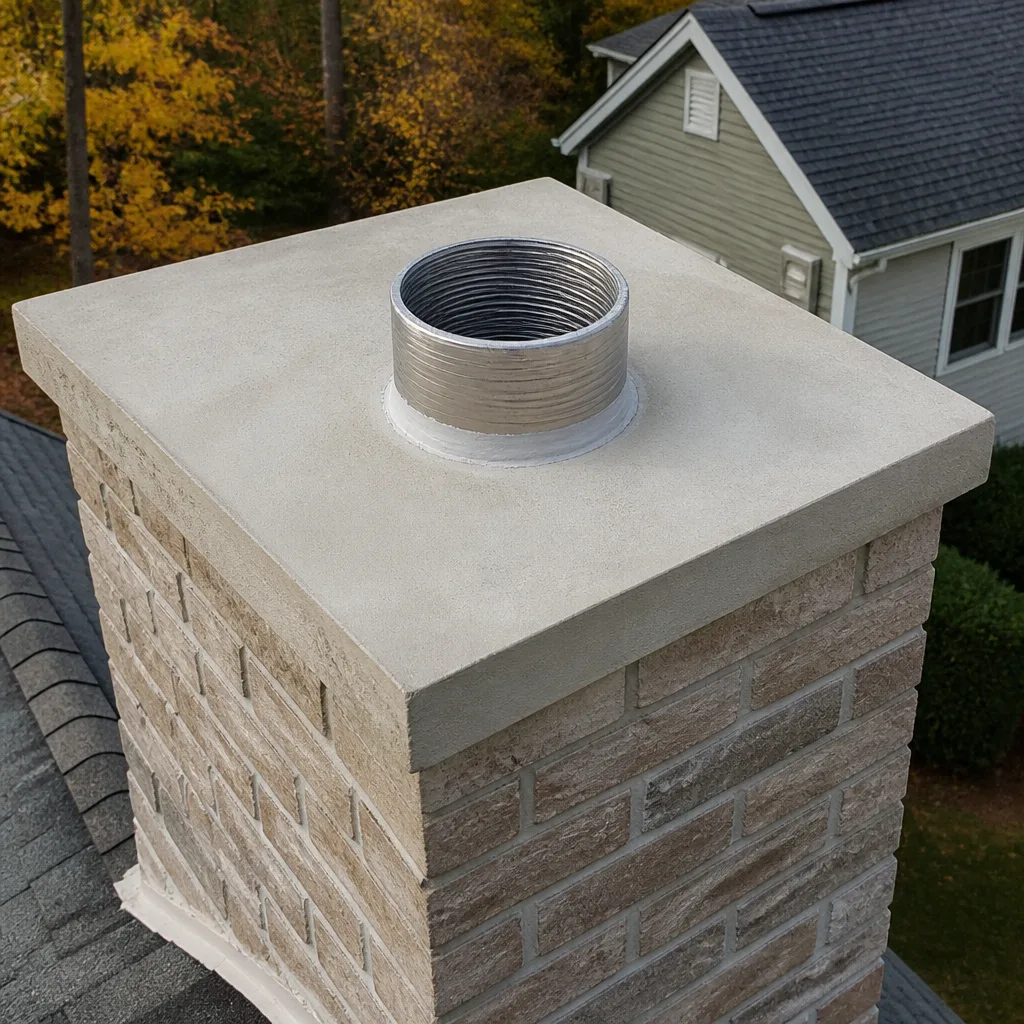 Flue relining
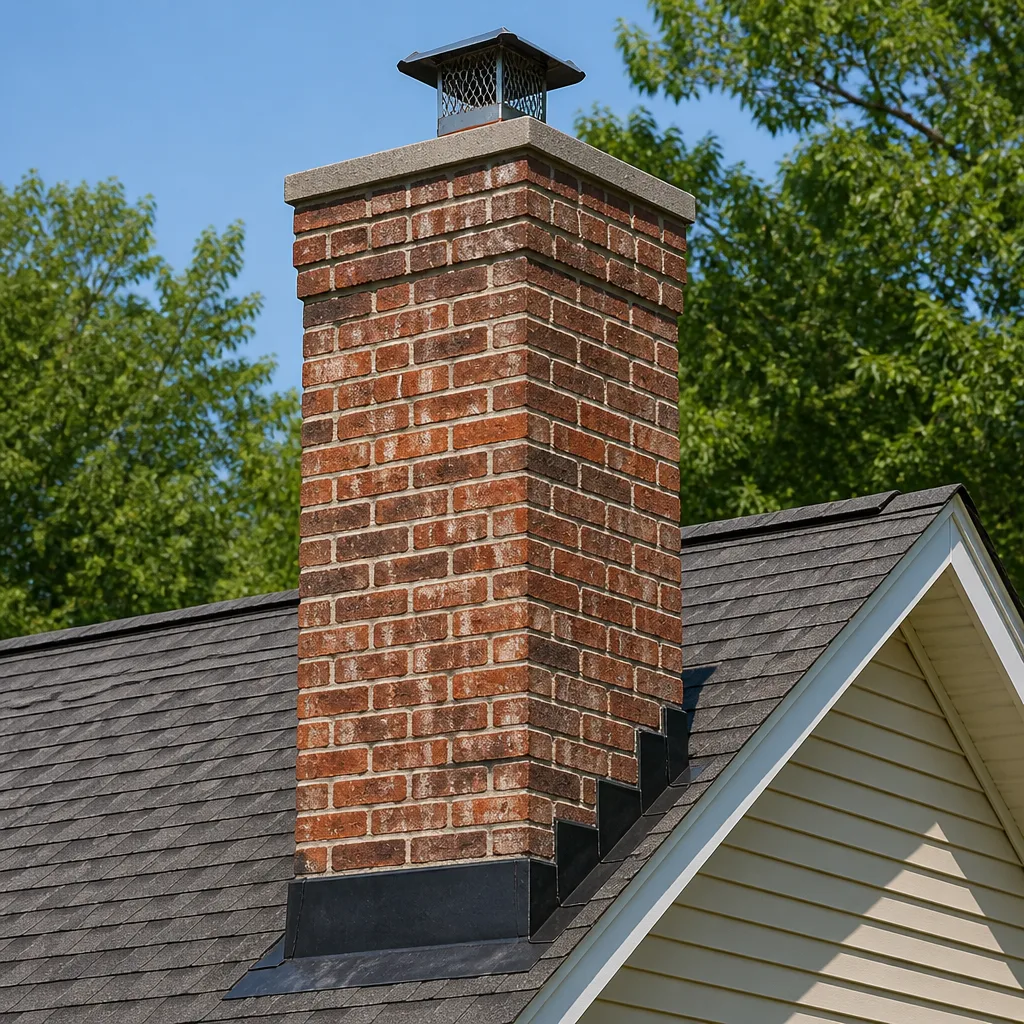 Masonry repair
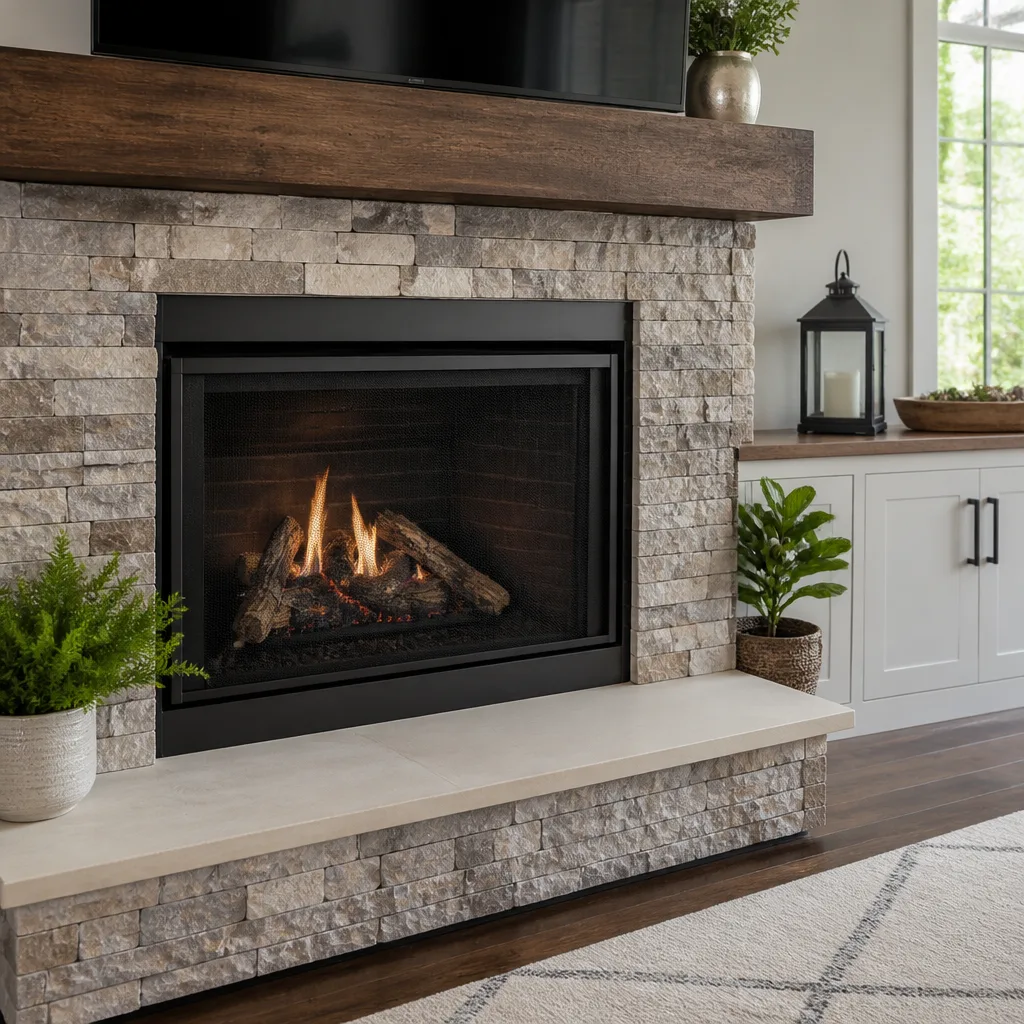 Gas fireplace service
Level 1 sweep and inspection to the NFPA 211 annual standard - flue, crown, cap, and flashing checked and photographed
Chimney sweep logs do not sweep chimneys. They loosen some creosote - which then falls where a brush and vacuum still have to collect it.
Chimney Cleaning Cost Breakdown: The West Hills Homeowner’s Reference for 2026
A $79 chimney sweep coupon and a $350 professional cleaning aren’t the same service with different markups. They’re different scopes entirely, and only one of them tells you whether your chimney is actually safe to burn in this winter. That’s the part most price lists skip. In this guide we break down what a chimney cleaning quote in West Hills should actually contain line by line, what each price tier really buys you, why the cheapest bid often costs more within a few seasons, and which details of a West Hills home, from stucco exteriors to two-story stack access, drive the number up or down. You’ll finish knowing exactly what you’re paying for before you book.
Quick Answer
Chimney cleaning in West Hills in 2026 typically runs $180 to $340 for a standard sweep with a Level 1 inspection. A Level 2 inspection with camera documentation usually lands between $250 and $500, and common add-ons like a cap replacement, crown coat, or smoke chamber parging run $120 to $700 depending on scope. The written estimate sets the final price, and the estimate itself is free.
Styles & brands we work with
- Sweep & inspection
- Caps & crowns
- Flue relining
- Masonry repair
- Gas fireplace service
Table of Contents
- What a Base Sweep Price Actually Includes
- The Five Things Most Sweep Quotes Exclude
- Real Cost Ranges for West Hills in 2026
- Why the Lowest Bid Often Costs More
- Cost Factors Specific to West Hills Homes
- How to Evaluate a Quote Line by Line
- Understanding Inspection Levels
- Repair Add-Ons and What They Signal
What a Base Sweep Price Actually Includes
When a quote says “chimney cleaning,” the number usually covers a mechanical sweep of the flue using brushes or rotary tools matched to the flue type, a cleaning of the firebox and smoke shelf, and removal of soot and creosote from the damper area. That’s the base. It’s also where most quotes stop, and that’s the difference between a $180 job and a $340 one in the same West Hills neighborhood.
A proper chimney sweep is the starting point, not the finish line. The physical cleaning clears the flue of the creosote load that builds up with wood burning. What matters afterward is whether anyone looks at what the cleaning revealed. Creosote comes in three stages: light soot that brushes away, a flaky stage two, and a glazed, tar-like stage three that a brush alone won’t remove. Knowing which stage you’re at, and whether the liner behind it is intact, requires inspection.
Here’s what a genuine base sweep at a fair 2026 West Hills price covers:
- Mechanical flue cleaning matched to masonry or prefab flue type
- Firebox and smoke shelf cleaning
- Damper area soot removal during the sweep
- Basic visual check of the firebox and the flue as the brush passes
Notice that a visual check during the sweep is not a formal Level 1 inspection. It’s a glance. If the quote you’re holding doesn’t separate sweeping from inspection, you’re likely getting that glance and nothing more. Our technicians have up to 9 years of experience, and the one thing that experience teaches is how much a brush alone misses.
The Five Things Most Sweep Quotes Exclude
Most inexpensive cleaning quotes leave out five items that directly affect whether your chimney is safe. None of them are optional if you want a real answer.
- Inspection level. A quote may say “inspection included” but mean a basic look. A formal Level 1 inspection checks the accessible portions of the chimney, the firebox, and the connection, and documents what’s found.
- Camera documentation. A Level 2 inspection uses a video camera run through the flue to see cracks, gaps in the liner, offset joints, and areas the eye can’t reach. Without it, liner problems hide.
- Cap check. The chimney cap keeps rain, birds, and debris out of the flue. A quote that doesn’t mention the cap leaves that opening unchecked. Proper chimney cap & crown work protects the flue after every cleaning.
- Liner assessment. The flue liner is the layer between the fire and the house structure. A missing or cracked liner lets heat and gases through. Assessment means confirming the liner is intact, not assuming it.
- Written report. A report you can keep, with photos of what was found, tells you what condition the chimney is in. A verbal “looks fine” tells you nothing and gives you no record.
Those five items are where the price gap lives. A $79 coupon is priced for the base sweep alone. A properly scoped West Hills cleaning includes documentation, and that’s why the cleaner bid costs more up front.
Real Cost Ranges for West Hills in 2026
Here are the estimated ranges we see for West Hills in 2026. Treat these as typical figures, not quotes. The written estimate after an on-site look sets the final price.
| Service | Typical 2026 Range (West Hills) | What It Covers |
|---|---|---|
| Standard sweep | $180 – $340 | Flue cleaning, firebox, smoke shelf, damper area, basic visual check |
| Level 1 inspection | $120 – $220 | Accessible portions of chimney, firebox, and connection, written findings |
| Level 2 inspection with camera | $250 – $500 | Video scope of full flue, liner assessment, photo report |
| Chimney cap replacement | $150 – $400 | New cap, fitting, and installation |
| Crown coat (crown sealing) | $300 – $700 | Resurfacing the concrete crown to shed water away from the flue |
| Smoke chamber parging | $400 – $700 | Smoothing the smoke chamber to improve draft and reduce creosote buildup |
| HeatShield liner restoration | Quoted per job | Resurfacing a deteriorating liner without full replacement |
| DuraFlex full reline | Quoted per job | Installing a flexible stainless liner for a full reline |
The last two rows are deliberately left at “quoted per job.” Liner restoration and full reline depend on flue dimensions, length, and the condition found during inspection, so there’s no honest single number to put there. What we can tell you is that HeatShield resurfacing often costs meaningfully less than a full DuraFlex reline, and it’s the option more homeowners can use because it doesn’t require demolition.
Why the Lowest Bid Often Costs More
A low cleaning quote is only cheaper if nothing was wrong in the first place. When there is something wrong, and there often is in a stucco-exterior chimney after years of deferred maintenance, the cheap sweep doesn’t find it. That’s the trap.
Here’s the mechanism. Without a camera inspection, a crack in the flue liner stays invisible. A glazed stage-three creosote layer stays put because the brush couldn’t remove it. A missing cap goes unnoticed while rain and nesting birds work their way in. Water infiltration cracks the crown, cracks widen over the seasons, and by the time the homeowner notices, the fix has moved from “a cap and a coat” to “a reline.” That’s how a $79 savings compounds into a five-figure repair.
We’re not saying every cheap bid is dishonest. Some are honest, scoped for the base sweep alone, and the technician will tell you the scope is limited. The problem is when the scope isn’t stated and the homeowner assumes “cleaned” means “checked.” Those are two different services, and only one of them protects the home.
In our experience, the West Hills homeowners who avoid the biggest bills are the ones who pay for the camera inspection up front. The camera shows the liner, the joints, the smoke chamber, and the areas above the smoke shelf where a brush can’t reach. When the report comes back clean, you know it. When it shows a problem, you can plan the fix on your timeline rather than on an emergency one.
Cost Factors Specific to West Hills Homes
West Hills has features that affect what a chimney job costs, and a quote that ignores them is a quote that will change when the technician arrives. Three come up again and again.
Stucco-exterior chimneys
Many older West Hills homes have chimneys with a stucco finish over the masonry. Stucco is a hard, bonded surface, so repairing a crown or a cap connection on a stucco chimney often means careful surface work rather than a simple swap. That’s a real factor in the price, and a technician who hasn’t quoted a stucco chimney before may underestimate it. Stucco also hides cracks in the masonry beneath, which is one reason camera inspection matters more here than on a bare brick stack.
Two-story stack access
A two-story chimney requires roof work to check the cap, the crown, and the top of the flue. Access on a steep or complex roofline changes the time and the safety requirements of the job. A quote that assumes a single-story, easy-access stack will fall apart the moment the technician sees the actual roof. Roof height and access are not the kind of thing we give step-by-step instructions for, because the risk is real. This is trained-professional work, full stop.
Gas log conversion complications
A wood-burning fireplace converted to gas logs still vents through the same chimney, but the venting needs change. Gas produces more moisture and different combustion byproducts than wood, and the flue that was sized for wood may be oversize for a gas appliance. A proper assessment checks whether the liner and draft are right for the current fuel. If a previous conversion was done without that check, the fix can range from a liner adjustment to a different venting setup. That’s a diagnosis question, not a cleaning question, and it’s worth asking before you book.
These factors are why we push for a diagnosis first. A chimney inspection that accounts for the actual structure of the house, rather than a generic checklist, is what keeps a quote honest.
How to Evaluate a Quote Line by Line
A well-built chimney quote reads like a scope of work, not a price tag. Each line should tell you what is being done and where. Here’s how to read one.
- Is the sweep line separate from the inspection line? If the two are lumped into one line, you can’t tell what inspection level you’re buying. Ask which level is included and what it covers.
- Does the inspection line specify camera or no camera? A Level 1 inspection without camera is cheaper and checks less. A Level 2 uses a camera. The quote should say which, in plain language.
- Is the cap and crown on the quote? If the chimney has a cap, it should be checked. If it needs replacement, that should appear as a separate line with a price, not a vague “as needed.”
- Is the liner assessment stated? Look for a line confirming the liner was inspected and its condition noted. If the quote is silent on the liner, the liner wasn’t assessed.
- Is there a written report line? A report with photos is a deliverable, and a real quote names it.
- Are the materials named? A liner restoration quote should say the system being used. We work with HeatShield for restoration and DuraFlex for full relines, and we name them because the material is part of what you’re paying for.
- Does the price match the scope? If the quote is very low, check whether items one through five are actually in it. If they’re missing, you’re not comparing apples to apples with a fuller quote.
The quote should also state clearly that the price is set by the written estimate. If a number was given over the phone without a look at the chimney, treat it as a starting estimate, not a commitment. That’s not a red flag on its own, but the scope needs to be confirmed on site.
Understanding Inspection Levels
Chimney inspections come in levels, and the level determines what’s checked. The most common mistake we see is a homeowner assuming a sweep includes a full inspection when it doesn’t.
- Level 1: A visual inspection of the readily accessible portions of the chimney, the firebox, and the connection. It’s appropriate for a chimney that’s in known good condition and hasn’t changed. It’s the level most often folded into a routine sweep.
- Level 2: Everything in Level 1, plus access to areas that require tools, including a video camera scan of the flue and, where applicable, the attic and crawl space. It’s what you want after a change in the system, a liner concern, a chimney fire, or a property sale.
- Level 3: A diagnostic inspection that may involve opening walls or other portions of the structure to get at a specific problem. This is reserved for a known or suspected hazard that the lower levels can’t address.
For most West Hills homeowners burning wood each winter, a sweep with a Level 1 inspection annually, and a Level 2 when anything has changed or a concern comes up, is a solid baseline. A full Chimney Sweep West Hills service can include the right inspection level for your situation, from a routine visual to a camera scope, depending on what the chimney has been through.
One more thing on the inspection. The camera isn’t there to find work to sell. It’s there to show you what’s actually happening inside the flue so you can make your own call. If the report shows the liner is intact and the creosote is light, the answer is “you’re fine, see you next season.” We say that when it’s true.
Repair Add-Ons and What They Signal
The add-on lines on a quote tell you what the inspection found. Understanding what each one means helps you judge whether it’s necessary or padded.
A cap replacement is a simple preventive fix. If the cap is missing, rusted, or damaged, water and animals can get into the flue. A new cap is a modest cost and it’s worth doing. We offer cap and crown work at the time of service so it gets handled before the rainy season rather than after.
A crown coat addresses the concrete crown at the top of the chimney. The crown sheds water away from the flue. When it cracks, water gets in and damages the structure below. Resurfacing the crown is cheaper than repairing the damage water causes if the cracks are left alone.
Smoke chamber parging smooths the interior of the smoke chamber, the area just above the firebox. A rough or corbelled smoke chamber collects creosote and contributes to draft problems. Parging improves both.
A liner restoration with HeatShield addresses a deteriorating flue liner without full replacement. It’s a resurfacing system, and it’s a better fit than a full reline when the liner has issues but the structure is sound. A full reline with DuraFlex is the right call when the liner needs to be replaced entirely. Both are real repairs, not upsells, and both should be justified in the camera report before any work begins.
Repairs to the firebox and chimney structure fall under fireplace repair, and they’re quoted the same way as the rest: per job, on the written estimate, after a diagnosis.
Common Mistakes to Avoid
- Booking on the coupon price alone. A coupon price is a base sweep. If your chimney needs inspection and documentation, the coupon doesn’t cover it. Always ask what the coupon includes and what it leaves out.
- Assuming “cleaned” means “inspected.” They’re different services. A cleaned chimney can still have a cracked liner that nobody looked for. Insist on knowing which inspection level, if any, is included.
- Choosing a quote that didn’t look at the chimney. A phone number is an estimate, not a scope. A real quote names the inspection level, the cap check, the liner assessment, and the report. If those lines are missing, the scope is incomplete.
- Letting cap and crown problems wait. A missing cap in West Hills lets rain and nesting debris into the flue. Fixing it now is a small bill. Fixing the water damage later is not.
- Skipping annual sweeps because the fire hasn’t been used much. Creosote builds over seasons, not just in one. A chimney that sat unused still needs a check before the next burn season.
- Accepting a liner repair estimate with no camera evidence. You should be able to see the reason for the repair yourself, in the report. If the technician can’t show you, get a second opinion.
- Treating a gas conversion as a cleaning. A gas log setup vents differently than wood. If the conversion was done without checking the flue, get it assessed before the next burn season.
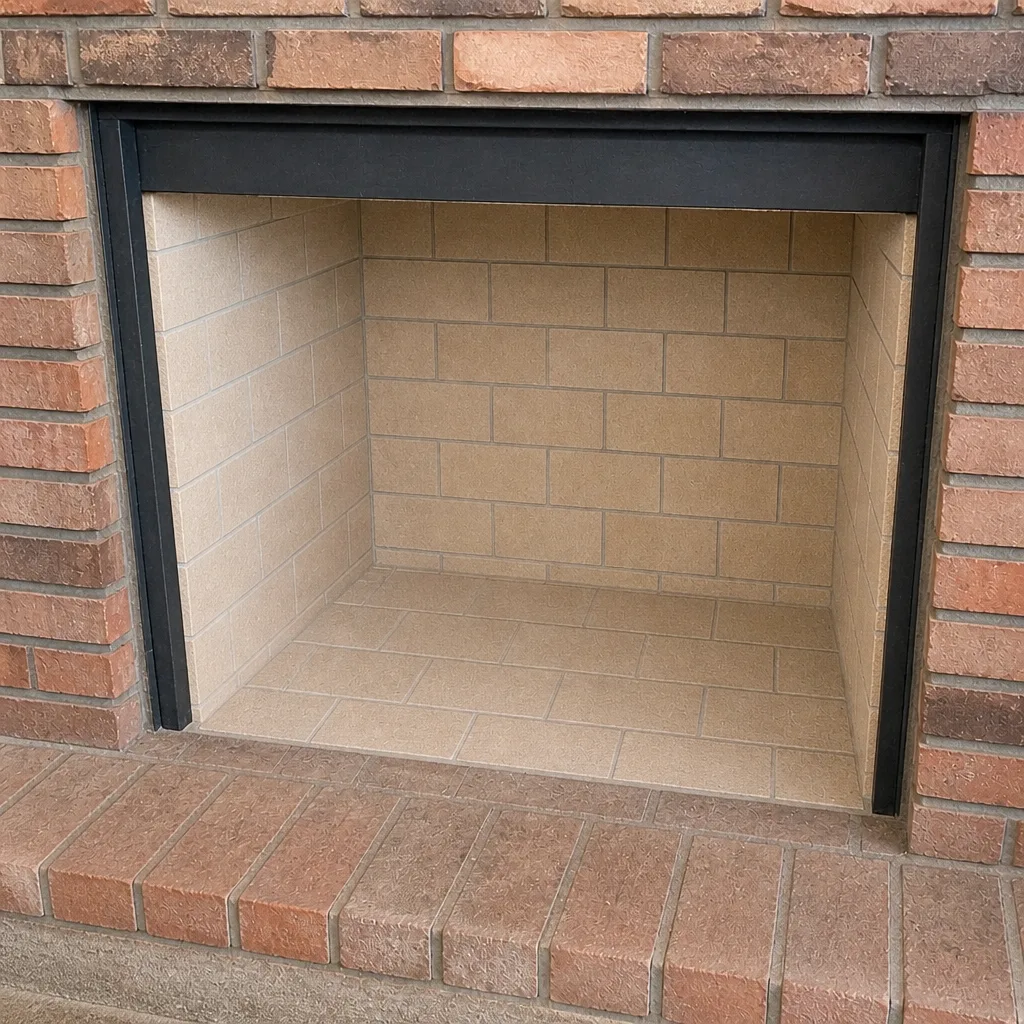
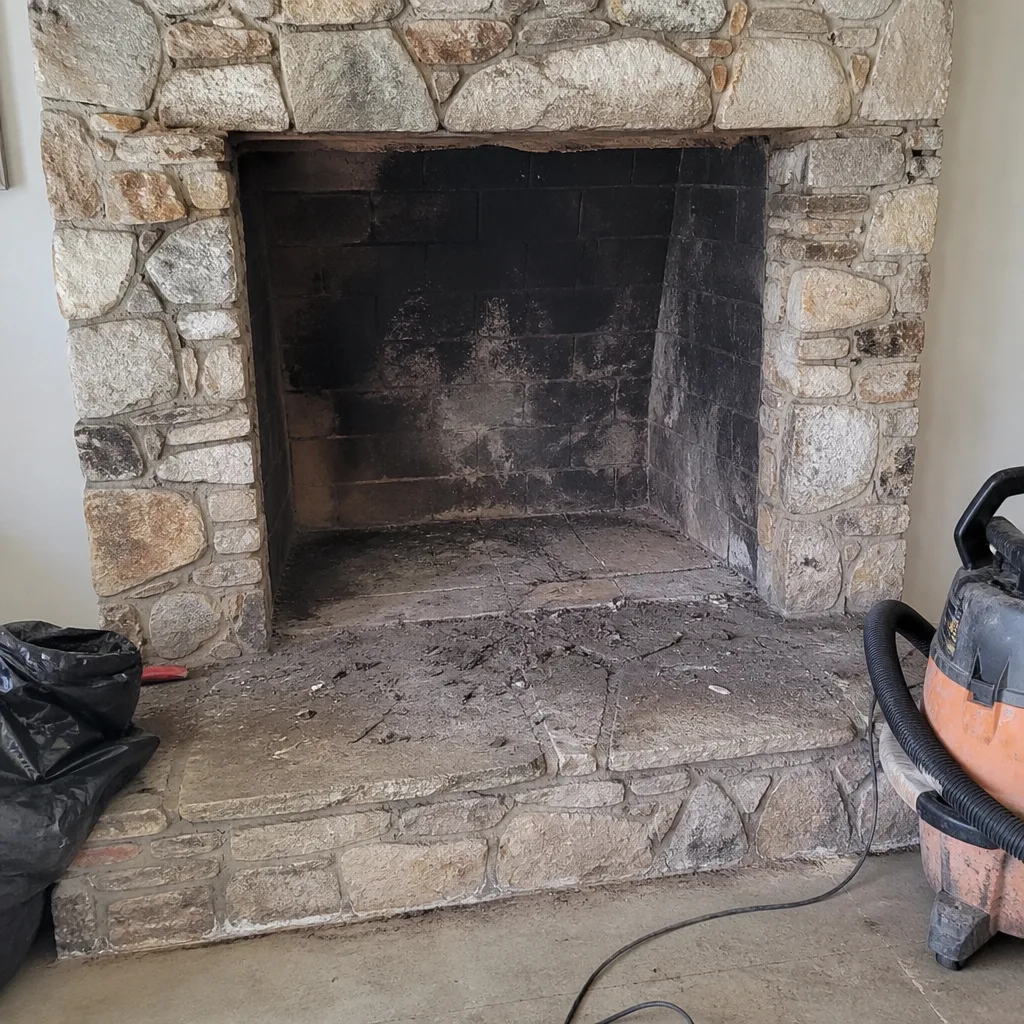
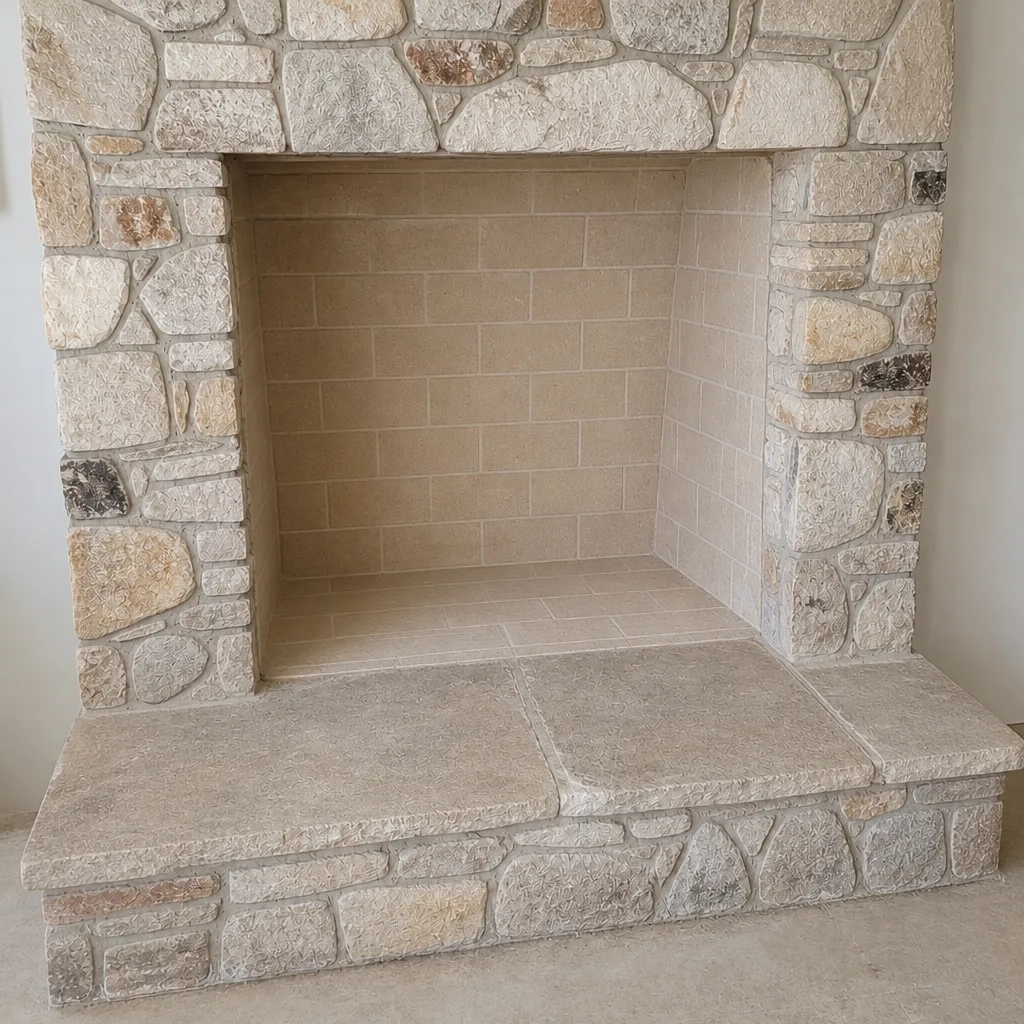
See the difference
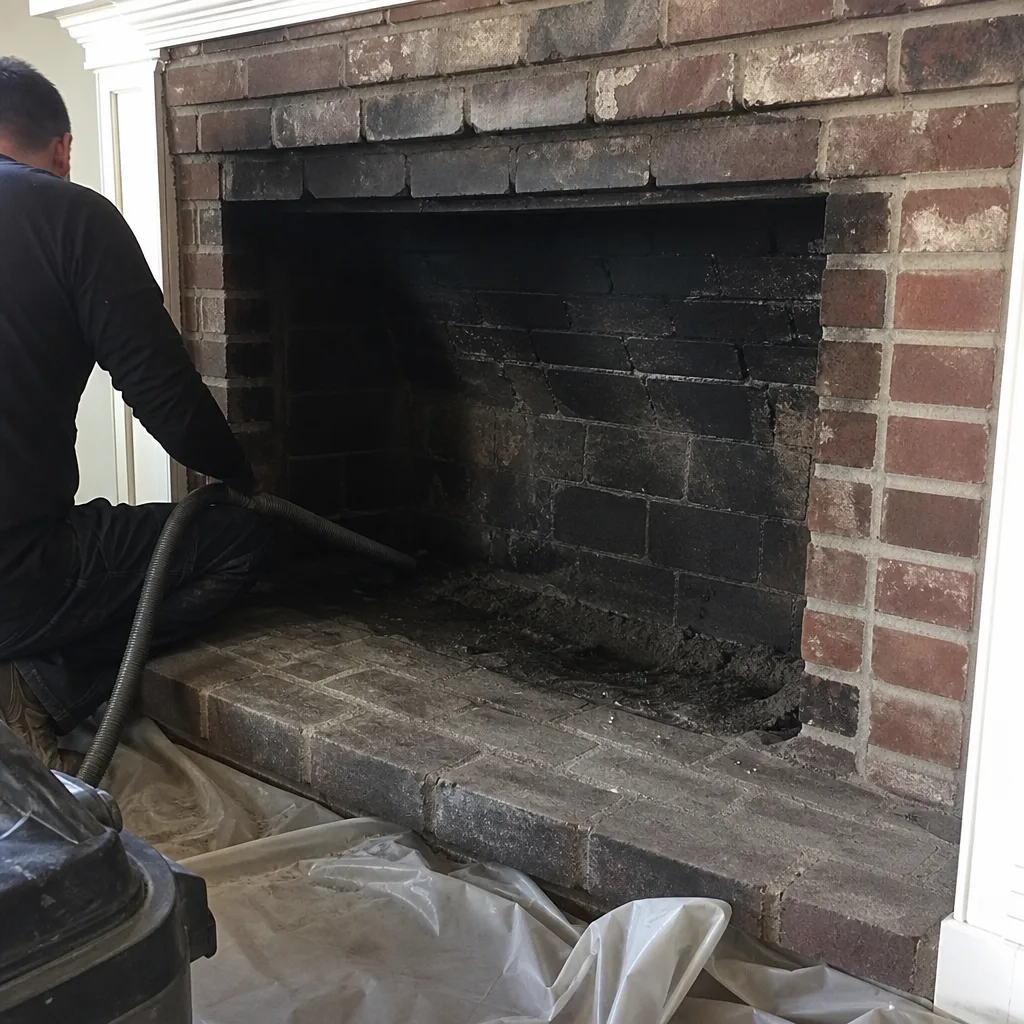 Before
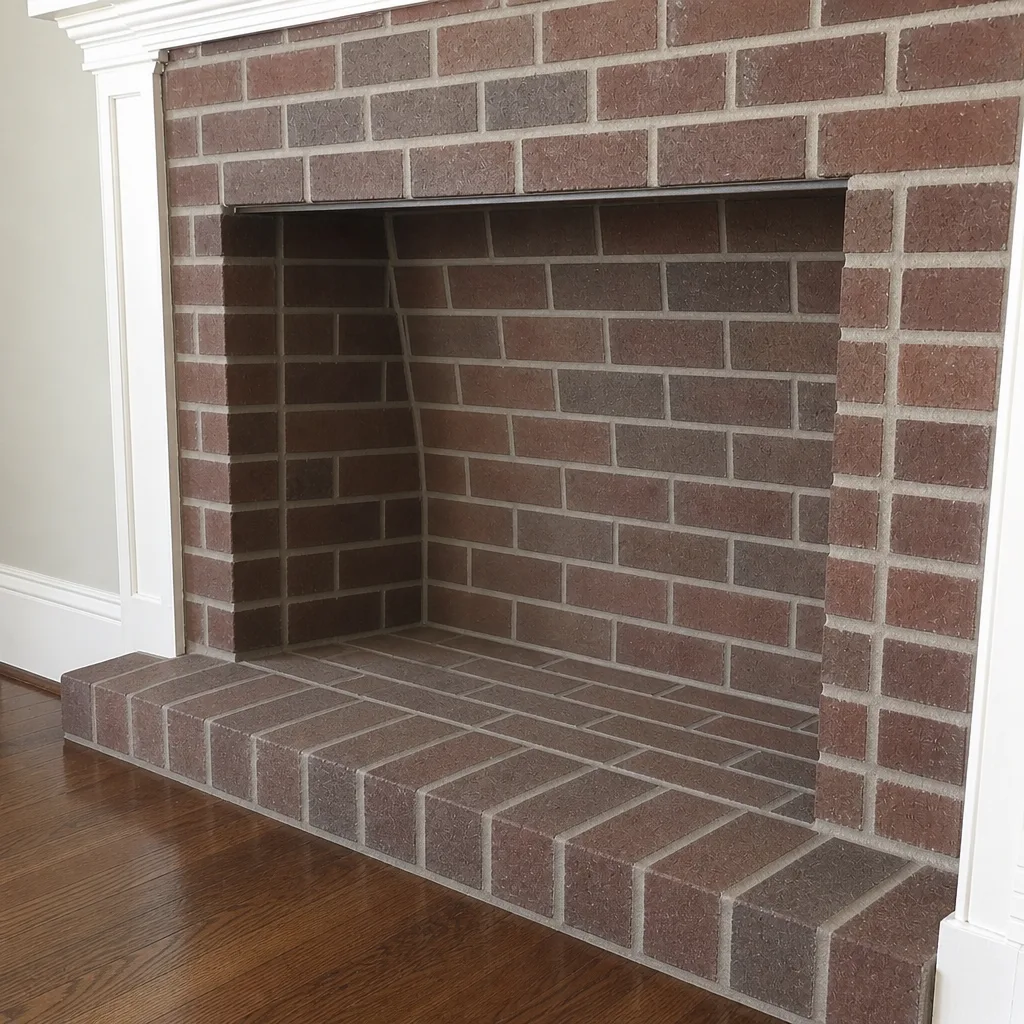 After
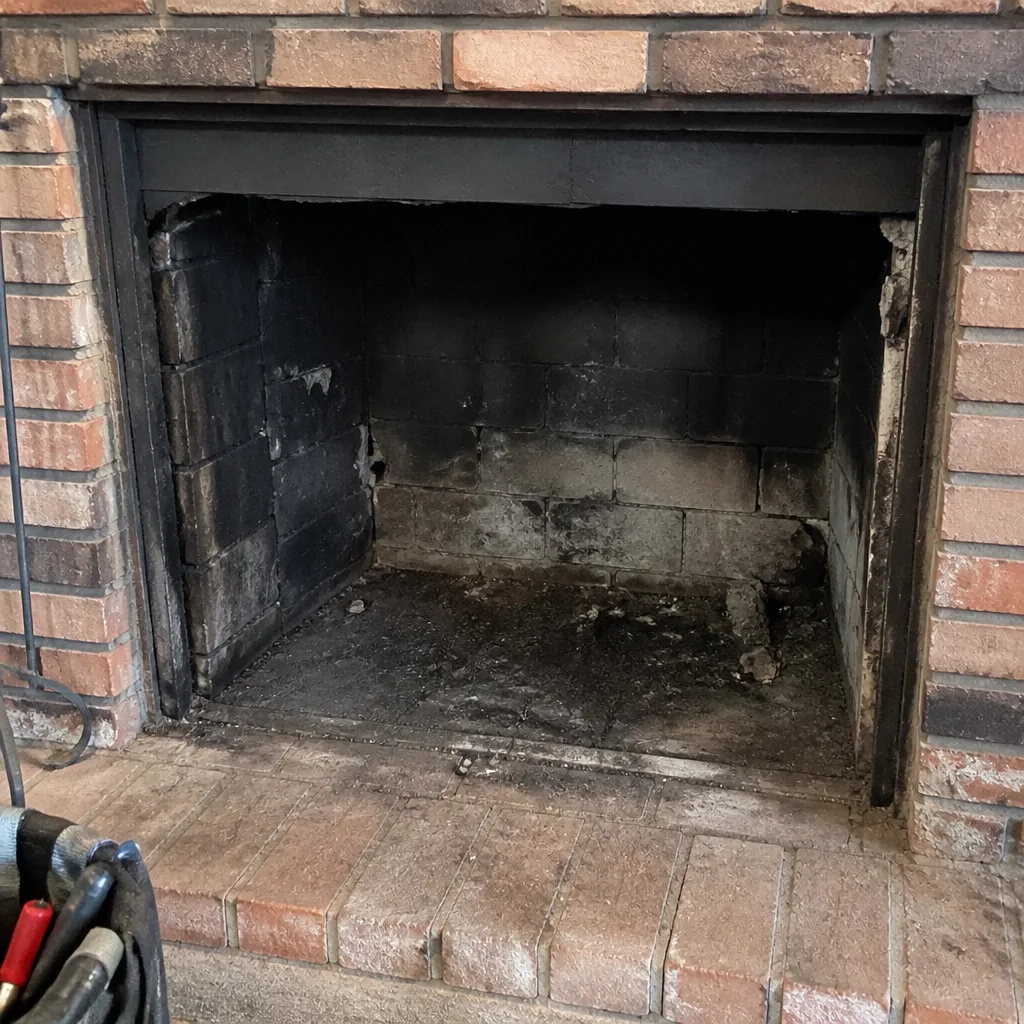 Before
 After
 Before
 After
When to Call a Professional
Some jobs are for a trained professional, no exceptions. A missing or cracked flue liner, a glazed stage-three creosote layer, a damaged crown, a cap that has come loose, or any smoke or carbon monoxide issue is a stop-and-call situation. These involve the parts of the system that protect the house, and they’re not a weekend project. A chimney fire, even a small one, changes the liner and requires a Level 2 inspection before the next burn. So does a gas conversion done without a proper flue assessment. Same for a chimney that sat unused for years and now smells or shows staining.
We offer free estimates in West Hills. Call (855) 337-1817. We answer 24/7. Fast dispatch from 7am to 7pm, Sunday through Friday.
Frequently Asked Questions
A standard chimney sweep in West Hills in 2026 typically runs $180 to $340, including a basic visual check. A Level 2 inspection with camera adds $250 to $500, and common repairs like a cap replacement or crown coat run $150 to $700. The written estimate sets the final price. Call (855) 337-1817 for an exact quote; estimates are free.
A chimney should be swept once a year if you burn wood regularly, and inspected at least once a year whether or not you burned much. The sweep clears creosote; the inspection tells you whether the flue is safe. Skipping the inspection is how liner problems go unnoticed for seasons. Call (855) 337-1817 to book a sweep and inspection. We answer 24/7, and dispatch runs 7am to 7pm, Sunday through Friday.
You only need a new liner if the camera inspection shows the current liner is cracked, missing, or otherwise compromised. If the report shows an intact liner, you don’t. HeatShield restoration is an option when the liner is deteriorating but the structure is sound, and it costs less than a full DuraFlex reline. Nothing is recommended without camera evidence you can see for yourself. Call (855) 337-1817 for a free inspection estimate.
Creosote accumulates in the flue with every wood fire, and a heavy load can ignite under the right conditions. A blocked or damaged flue can also let carbon monoxide back into the house. Those are real risks, not scare tactics, and they’re the reason an annual check matters. Call (855) 337-1817 to schedule before the burn season starts; the estimate is free.
Because the two quotes are describing different services. A $79 coupon is a base sweep. A $350 quote may include a camera inspection, a cap check, a liner assessment, and a written report. Those five items are the difference. Compare scope first, then price. Call (855) 337-1817 if you want help reading a quote.
Sometimes, yes. A stucco finish and a two-story stack often mean more careful access and more time on the crown and cap work. That’s why a quote given without looking at the chimney is only an estimate. An on-site look sets the final scope. Call (855) 337-1817 for a free estimate.
The Bottom Line
Chimney cleaning costs in West Hills vary by a factor of three or more because the word “cleaning” covers a range of scopes, from a brush job to a full inspection with camera documentation. Only the fuller scope tells you whether the chimney is safe to use. Pay for the diagnosis, ask which inspection level is included, insist on a written report with photos, and treat the cap and crown as part of the job rather than an upsell. When a report comes back clean, you know it. When it shows a problem, you get to choose the timing. A clean chimney is the starting point, not the finish line. Call (855) 337-1817 for a free estimate. We answer 24/7. Fast dispatch from 7am to 7pm, Sunday through Friday.
Written by the team at Chimney Sweep West Hills.