
Last updated November 22, 2026
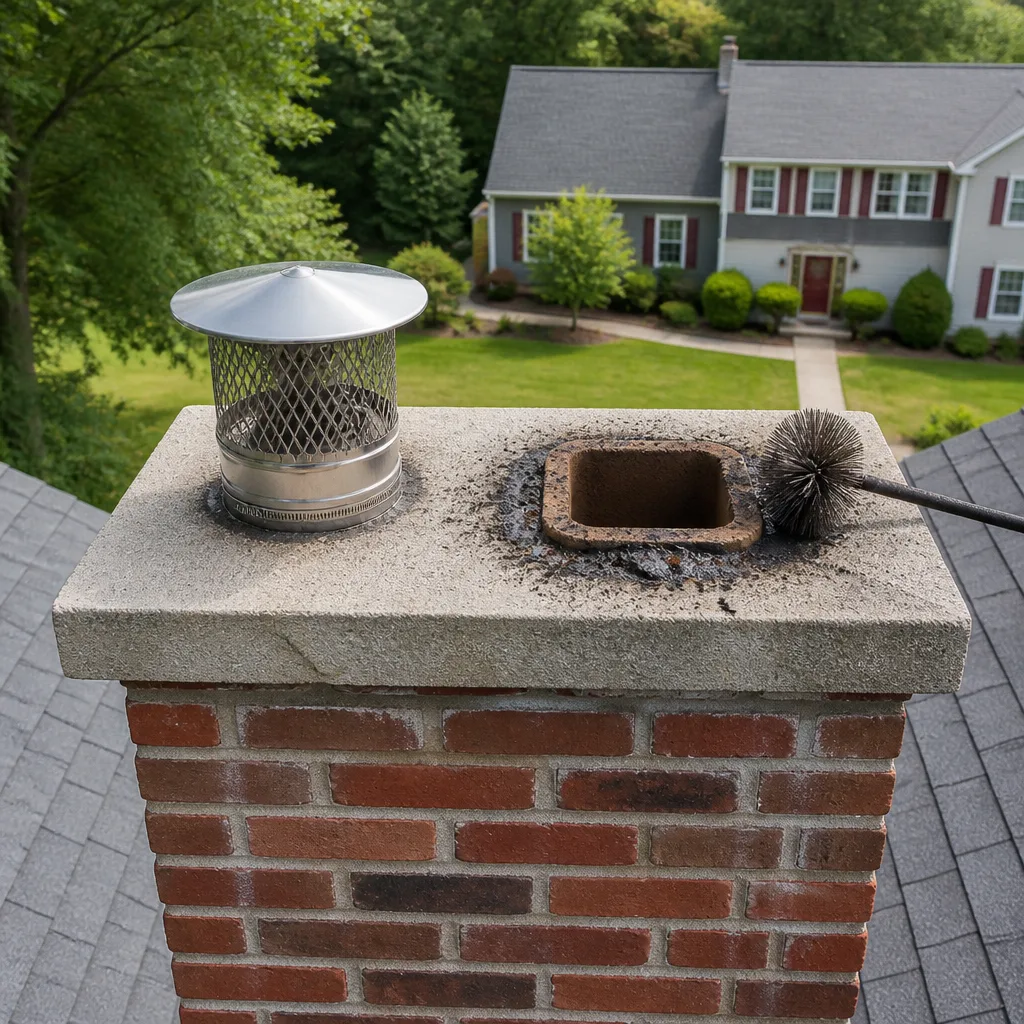 Sweep & inspection
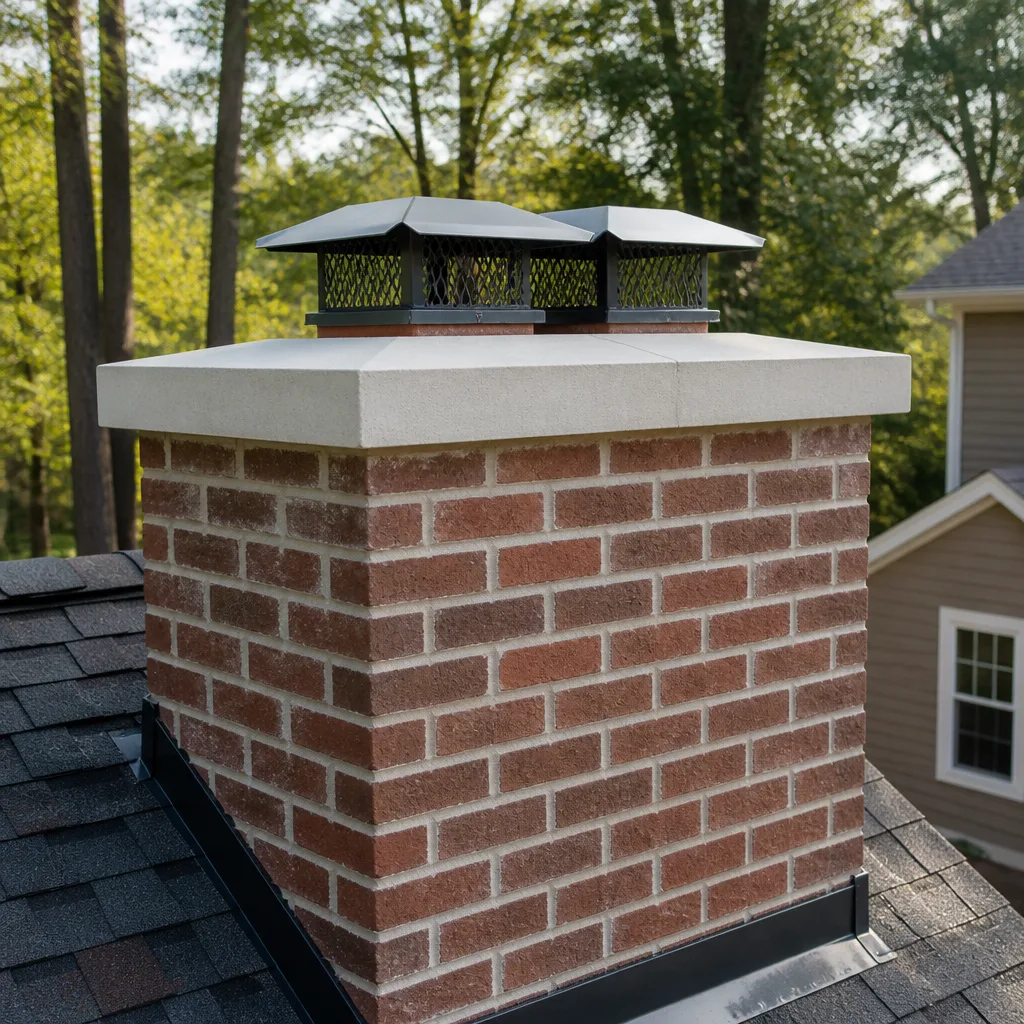 Caps & crowns
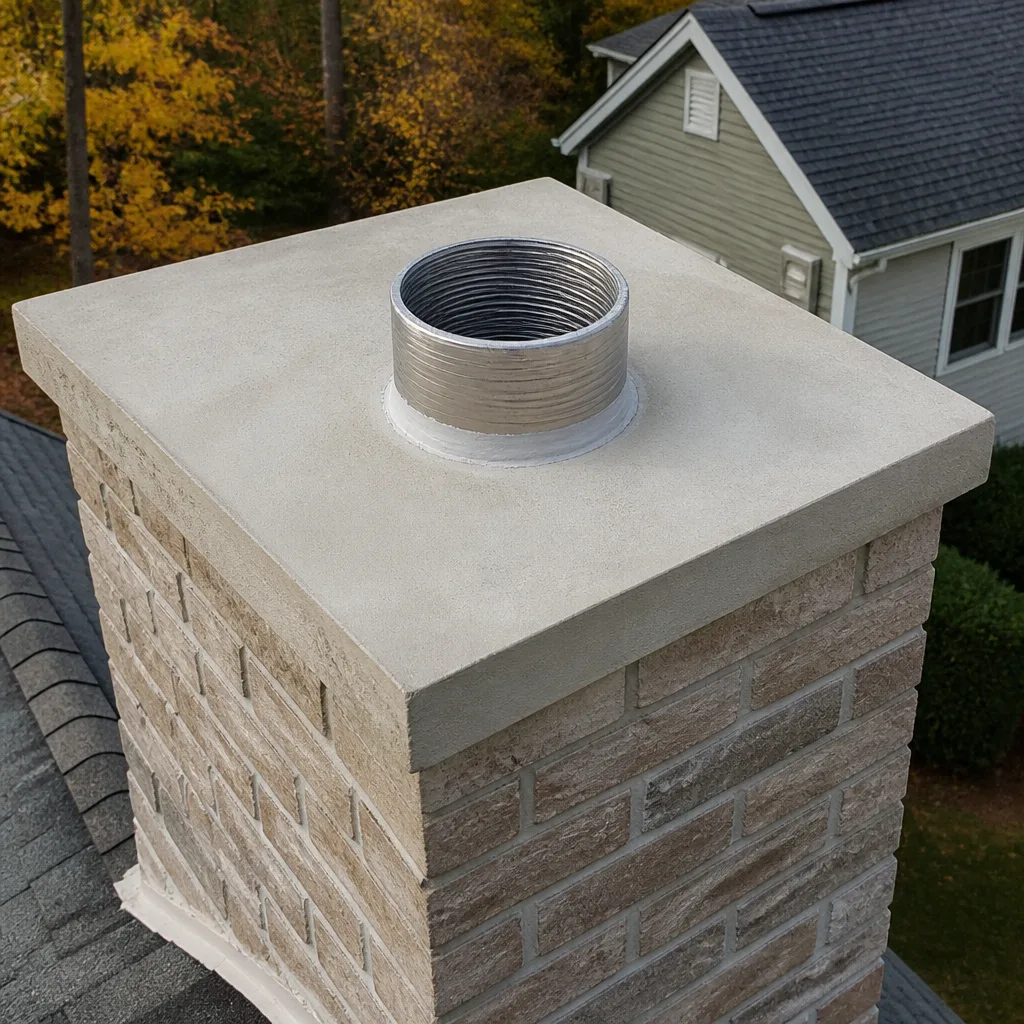 Flue relining
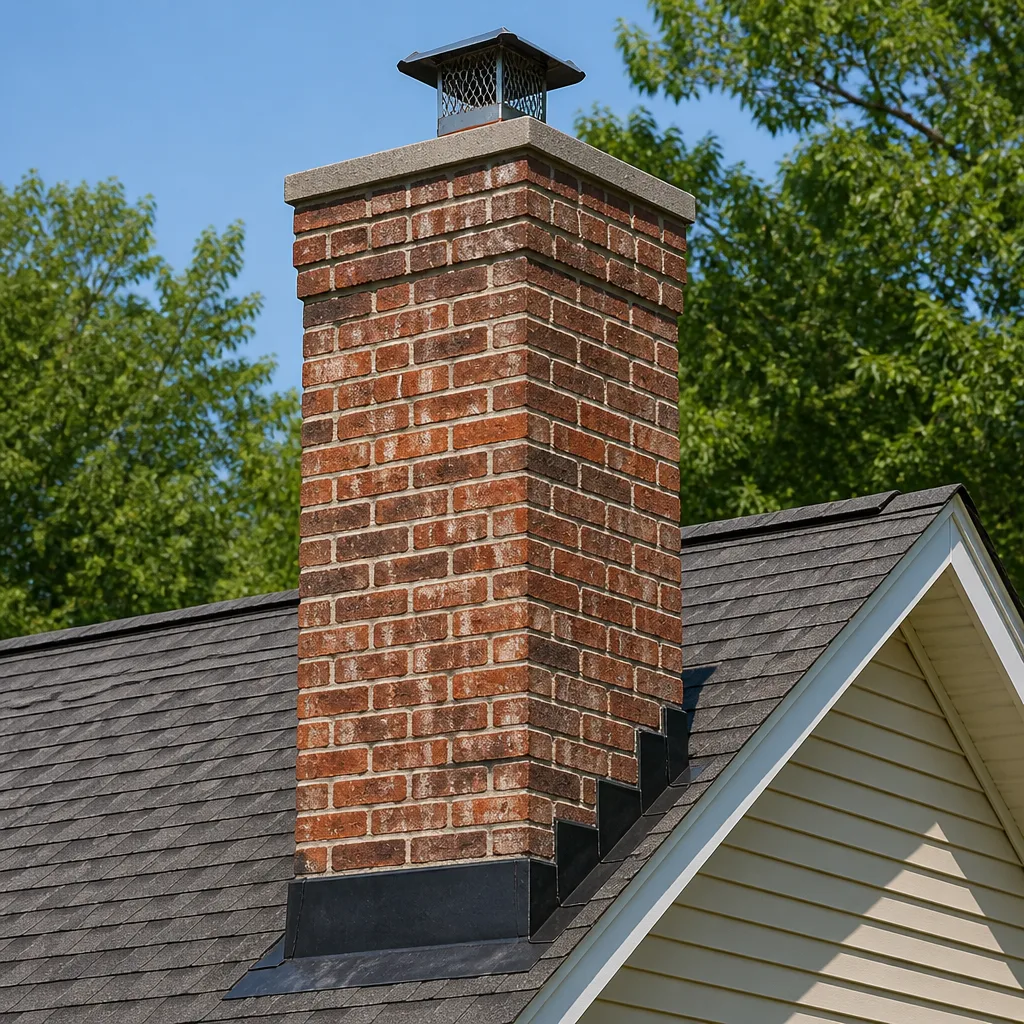 Masonry repair
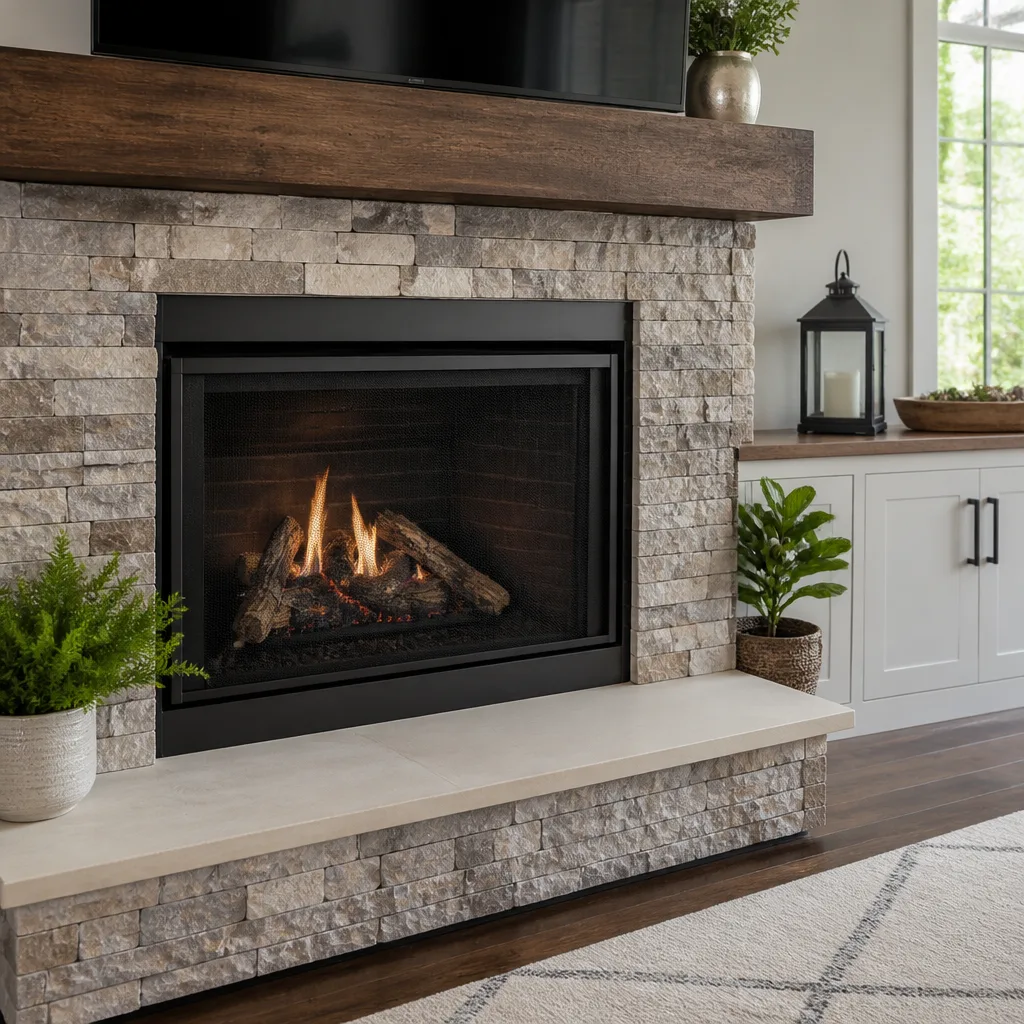 Gas fireplace service
Level 1 sweep and inspection to the NFPA 211 annual standard - flue, crown, cap, and flashing checked and photographed
Chimney sweep logs do not sweep chimneys. They loosen some creosote - which then falls where a brush and vacuum still have to collect it.
Chimney Cleaning Emergency Preparedness Guide for West Hills Homes
During a chimney fire, you have roughly 30 seconds to make the right decisions before the situation escalates. That’s the counterintuitive part: the fire you hear roaring in the flue is not the moment to start troubleshooting, and it’s not the moment to run for a bucket of water. The decisions that actually protect a home are made months earlier, on an ordinary afternoon, when nobody is in a hurry. West Hills sits inside a high fire-hazard severity zone, and during red flag events fire department response times can stretch. That changes the math on preparation. In this guide we walk through how to recognize an active chimney fire, the exact sequence to follow when one starts, and the pre-season work that makes the difference long before anyone smells smoke.
Quick Answer
If you suspect a chimney fire, close the damper, get everyone out of the house, and call 911 from outside. Do not relight the fireplace until a Level 2 inspection has been completed. For West Hills homeowners, preparedness also means an ember-resistant cap, a clear spark arrestor, defensible space around the chimney exterior, and knowing when Spare the Air and red flag days make burning illegal or unsafe.
Styles & brands we work with
- Sweep & inspection
- Caps & crowns
- Flue relining
- Masonry repair
- Gas fireplace service
Table of Contents
- How Do You Know It’s a Chimney Fire?
- The 30-Second Sequence: What to Do the Moment It Starts
- Why Homeowners Second-Guess Themselves (and Make It Worse)
- Pre-Season Emergency Prep for West Hills Homes
- Spare the Air, Red Flag Days, and When You Legally Can’t Burn
- After the Fire: What a Level 2 Inspection Actually Checks
- How Your Chimney Interacts With the Wildfire Landscape
- Prevention: The Cleaning Schedule That Prevents Emergencies
How Do You Know It’s a Chimney Fire?
Most chimney fires don’t announce themselves the way people expect. Hollywood shows a wall of flame shooting from the top of the roof. In reality, many chimney fires are quiet events that burn hot for a short period, damage the liner, and go out on their own before the homeowner even realizes what happened. The dangerous ones are the ones that sound like a freight train and can spread into the framing within minutes. Knowing which cues to watch for is the first preparedness skill.
Here’s what an active chimney fire typically sounds, smells, and looks like:
- Sound: A loud roaring or rumbling, often compared to a low-flying plane or a distant train. It’s much louder than the steady crackle of a normal fire and it doesn’t quiet down when the wood burns down.
- Sound (secondary cue): A rapid tapping or popping noise, sometimes described as “clicking.” That’s often the sound of the metal flue expanding and contracting rapidly under heat stress.
- Smell: A hot, acrid smell that isn’t quite wood smoke. It’s sharper, and it may come through the room rather than up the flue.
- Sight (visible from outside): Dense smoke or flames from the top of the chimney. Puffy, dark, or unusually thick smoke can indicate a fire burning in the flue rather than the firebox.
- Sight (visible from inside): Flames visible at the top of the firebox or beyond the damper, or the firebox glass blackening in real time.
- Heat: The chimney breast, the wall behind the fireplace, or the mantel becoming unusually hot to the touch.
- Pressure: Smoke puffing back into the room instead of drafting up, which can indicate obstruction or that the chimney has lost draft from extreme heat.
Any two of these happening at once is enough. You don’t need to confirm a fire before acting.
The 30-Second Sequence: What to Do the Moment It Starts
The correct immediate-action sequence is short and it works. Memorize it, rehearse it with everyone in the household, and don’t improvise. When seconds count, a rehearsed response beats a well-intentioned one every time.
- Close the damper (if you can reach it safely). Cutting off the air supply starves the fire inside the chimney. Do this only if the damper handle is right there and closing it doesn’t put you in danger.
- Get everyone out of the house. Don’t stop to gather belongings. Don’t stop to grab the fire extinguisher. Get out the door.
- Call 911 from outside. Tell the dispatcher it’s a chimney fire and give the address. Do not re-enter the house to check on anything.
- Move vehicles and anything flammable away from the exterior chimney. This matters more in West Hills than in many places because of what’s below the chimney cap.
- Wait for the fire department. Even if the roaring stops before they arrive, stay outside. Short-burning chimney fires can leave hot embers in the flue that flare back up.
That’s it. Five steps, roughly 30 seconds of decision-making. Notice what isn’t on the list: water, a fire extinguisher aimed up the chimney, closing the glass doors and hoping for the best. All three are common reactions and all three can make things worse.
Why Homeowners Second-Guess Themselves (and Make It Worse)
We’ve talked with plenty of West Hills homeowners about the moment a chimney fire starts, and the second-guessing follows predictable patterns. The most common: “It’s probably just the wood I’m burning.” That’s the one that costs the most time. The roaring, popping fire that sounds unusual is unusual for a reason, and waiting to see if it dies down is the wrong call. If you’re asking the question, act on it.
The second most common: “If I close the damper, smoke will fill the room.” Smoke in the room is survivable. Fire in the walls is not. The trapped smoke is the lesser problem.
The third: “I don’t want to bother the fire department over nothing.” During red flag events in West Hills, response times can already stretch. Homeowners worry that calling out crews for a false alarm strains resources further. The fire department would rather respond to a fire that turns out to be minor than arrive late to one that wasn’t. Nobody on a fire crew blames a homeowner for calling.
The fourth, and the one that surprises people: “I’ll wait for the morning to look at it.” Chimney fires can leave structural damage that isn’t visible from inside the house. Waiting overnight, or worse, relighting in the morning to “see if it still works,” risks a second fire before the damage from the first has even been examined.
Pre-Season Emergency Prep for West Hills Homes
Preparedness is more than knowing what to do during a fire. It’s the work done in the weeks before the first burn of the season. For West Hills, that prep looks different from a colder climate because wildfire risk sits alongside chimney fire risk. Both have to be addressed.
Here’s the pre-season checklist we walk homeowners through:
- Book an inspection before burning season. A camera inspection looks into the flue and reveals creosote buildup, cracks, and liner damage that aren’t visible from the firebox. Without it, you’re guessing at the condition of the system you’re about to load with fire.
- Install an ember-resistant cap. Standard caps keep rain and animals out. Ember-resistant caps are designed with tighter mesh to keep windblown embers from entering the flue during a wildfire nearby. That’s the West Hills-specific concern.
- Inspect the spark arrestor. Any cap with mesh is also a spark arrestor. If the mesh is clogged or torn, it either blocks drafting or fails to catch sparks. Both are problems and both are easy to fix during a sweep.
- Clear defensible space around the chimney exterior. Tree branches within roughly 10 feet of the chimney top should be trimmed. Dry vegetation, mulch, and stored wood should be cleared from the base of any exterior chimney. Screen any vent openings in the chimney chase on prefab systems.
- Check the crown and flashing. Cracks in the crown let water in, which damages the liner from the outside. Flashing gaps do the same. Cap and crown work is exactly the kind of repair we specialize in, and it’s best done before the season starts.
- Rehearse the 30-second sequence with everyone in the house. Kids, guests, anyone who might be home alone during a fire. Practice walking to the door in the dark.
A clean chimney is the starting point, not the finish line. The sweep isn’t the goal. The prep is.
Spare the Air, Red Flag Days, and When You Legally Can’t Burn
West Hills sits within the South Coast Air Quality Management District, which issues Spare the Air alerts on days when air quality is forecast to be unhealthy. On those days, wood burning is banned for residential fireplaces and wood stoves across the district. Red flag days, issued when fire weather conditions are extreme, are a separate but overlapping concern. On those days, burning is not only discouraged for air quality; it can be actively dangerous because of what a stray ember might reach.
Here’s how we think about the two:
- Spare the Air days: Wood burning is not permitted. The alert typically covers the full 24 hours of the affected day. Sign up for notifications at the AQMD or check the daily forecast before you burn.
- Red flag days: Fire weather conditions are critical. Even if the day isn’t a Spare the Air alert, lighting a fire during a red flag event introduces a real risk because of wind-driven embers and reduced response capacity.
There’s an emergency-preparedness angle here that’s easy to miss. Skipping fires on high-risk days isn’t just a legal matter. It reduces the chance that a chimney fire (or a stray ember from a normal fire) coincides with the exact conditions under which fire crews need every resource focused on the wildland side. That’s a West Hills-specific reason to take these alerts seriously.
After the Fire: What a Level 2 Inspection Actually Checks
If you’ve had a chimney fire, the next step isn’t a sweep. It’s a Level 2 inspection, and it’s not optional. A Level 2 inspection uses a camera to look at surfaces that can’t be seen from inside the firebox, and it’s the industry standard after any chimney fire, earthquake, or significant event that may have affected the flue.
Here’s what the technician is actually looking for:
- Liner integrity. Cracks, spalling, and missing sections in clay tile liners are the most common post-fire finding. Cracked tile means the next fire sends heat and gases into surrounding framing.
- Flue joints and offsets. Clay tile liners have joints every couple of feet, and those joints are where heat escapes first. A camera run through the flue reveals whether any joint has opened.
- Smoke chamber condition. The smoke chamber is the sloped section between the firebox and the flue. It’s where creosote accumulates fastest and where post-fire damage can hide. Its shape makes it hard to inspect without a camera, which is exactly why a proper inspection matters.
- Creosote remaining in the flue. Even after a chimney fire, glazed creosote can survive. It’s harder to remove than the fluffy type and needs specific treatment.
- Exterior indicators. The crown, cap, flashing, and masonry at the top of the chimney all tell part of the story. Heat stress often shows up first in the exterior mortar joints.
- Draft and structure. The technician checks whether the flue still drafts correctly and whether the chimney is structurally sound.
If the liner is damaged, options range from HeatShield resurfacing for localized deterioration to full relining with a DuraFlex flexible liner system. HeatShield is an EPA-listed, CSIA-recognized resurfacing system, and it handles a lot of situations where older sweeps would have recommended a full tear-out and rebuild. DuraFlex is the go-to when a full reline is genuinely necessary, and it goes in without demolition. We work with both because a proper fix depends on what the camera actually shows.
How Your Chimney Interacts With the Wildfire Landscape
West Hills sits inside a high fire-hazard severity zone, which means the chimney is not just a chimney. It’s a potential ignition point at the top of a home in a neighborhood surrounded by terrain that can carry fire fast. During red flag events, fire crews are pulled toward the wildland edge and response times to a house fire can stretch. That changes what preparedness means.
The specific interaction most homeowners don’t think about: embers from a wildfire burning outside will find a chimney cap that doesn’t resist them. Standard caps have mesh sized to keep animals out, but the openings can still admit small burning embers during an ember storm. Those embers land in the flue or on the creosote and start a fire inside the very system the house uses for heat. That’s why ember-resistant caps and clean flues matter together. A clean flue has less fuel waiting inside it.
The second interaction: defensible space at chimney height. Ground-level defensible space is a well-known concept. Defensible space around the chimney top is less discussed but just as real. Branches touching or near the chimney crown, leaf litter in the chimney chase, and accumulated debris in the spark arrestor all reduce the margin during a red flag event.
The third: air quality. Spare the Air days and wildfire smoke days overlap. The same conditions that make burning illegal often make indoor air quality worse. A chimney that drafts properly helps you ventilate a home when exterior air is bad; a chimney that doesn’t is a liability. From annual sweep to full liner restoration, we look at both halves of that equation.
Prevention: The Cleaning Schedule That Prevents Emergencies
The best emergency is the one that never happens. The humble chimney sweep is the single most effective piece of emergency preparedness a West Hills homeowner can invest in. Creosote is the fuel source for most chimney fires, and a sweep removes it. An annual inspection catches liner damage before it becomes structural damage. The two together close most of the risk gap.
Here’s the schedule we recommend for West Hills homes with an active wood-burning fireplace:
- Annually: A chimney sweep and a Level 1 or Level 2 inspection, depending on the system. Even if you burn only a few cords a season, the annual check catches problems while they’re small.
- Twice a year in heavy-burn homes: If you burn daily through the season, a mid-season sweep is worth it. Creosote buildup in West Hills happens fast in homes with strong draft and hot fires.
- After any event: Chimney fire, earthquake, or a nearby wildfire that sent embers or debris into the area. A Level 2 inspection is the standard response.
- Before burning season: Get the sweep, inspection, and any cap or crown work done in the same visit so you’re not chasing contractors when the weather turns.
- Gas appliances: Even if you don’t burn wood, a gas fireplace or a gas appliance venting through the chimney still needs an annual check. Carbon monoxide risk exists in gas venting chimneys, and it doesn’t announce itself the way a chimney fire does.
For more on what a proper chimney sweep should include, the sweep itself is only part of the story. The inspection is where the real information lives. And if a cap or crown repair turns up as part of the visit, we handle that at the time of service rather than handing you off to a separate contractor. chimney cap & crown work is one of the highest-value prep items because it protects the liner from water damage all year.
Common Mistakes to Avoid
- Waiting to see if the fire dies down. A roaring chimney fire that quiets after 30 seconds still did damage. Calling 911 in the first minute is the right move even if it turns out to be minor.
- Reaching for water. Water thrown into a chimney fire can create steam explosions and thermal shock that cracks the liner. Save the water for the fire department.
- Relighting after a fire without an inspection. The most common post-fire mistake we see in West Hills is relighting the fireplace the next evening because the fire “seemed fine.” A Level 2 inspection before the next fire is non-negotiable.
- Burning on Spare the Air days. The fine is real, but the emergency-preparedness cost is bigger: burning on a day when crews are stretched adds risk on top of an already elevated day.
- Ignoring the chimney cap. A missing or damaged cap is the most common way water gets into a flue, and water-damaged liners fail earlier than dry ones. If the cap is off, get it back on.
- Stocking firewood against the chimney exterior. Stacked wood against the outside of a chimney is a defensible-space problem in West Hills. Move the pile at least a few feet away and clear the area around the chimney base.
- Assuming a gas fireplace can’t have a chimney emergency. Gas venting chimneys can develop blockages, and carbon monoxide is a real risk. Annual inspection applies to gas systems too.
When to Call a Professional
Call a chimney professional when you’ve had a chimney fire, when you smell unusual odors from the fireplace, when you see dark staining on the chimney breast or crown, when the fire smokes into the room, or when it’s been more than a year since the last inspection. Call after an earthquake that shook the area. Call when you’re buying a West Hills home and want the chimney evaluated before closing. Call when the cap is missing, damaged, or clogged, and call before the first burn of the season if you’ve never had the chimney looked at. Chimney Sweep West Hills offers free estimates in West Hills – call (855) 337-1817. We answer 24/7. Fast dispatch from 7am to 7pm, Sunday through Friday.
Frequently Asked Questions
Most chimney sweeps in West Hills run in the lower hundreds of dollars, and an inspection combined with the sweep sits higher. Anything structural, like a reline or cap replacement, is quoted separately after the camera inspection so you see what’s being addressed. The written estimate sets the final price. Call (855) 337-1817 for an exact quote – estimates are free.
Not always. It depends on what the camera shows. Cracked clay tiles, missing sections, and heat-damaged joints need remediation, but the fix isn’t automatically a full replacement. HeatShield resurfacing handles localized deterioration without a full reline, and DuraFlex liners are the option when the damage is broader. Either way, the recommendation follows the evidence, and you see the camera footage before we recommend anything. Call (855) 337-1817 – estimates are free.
Annually for most West Hills homes with an active wood-burning fireplace, and twice a year if you burn daily through the season. The annual sweep removes creosote (the main fuel source for chimney fires) and the inspection catches liner damage before it becomes expensive. Gas fireplace users still need an annual check because carbon monoxide risk exists in gas venting systems. Call (855) 337-1817 to schedule a sweep and inspection together.
Creosote builds up in the flue, and at a certain thickness it becomes fuel for a chimney fire. The liner also degrades silently, and a cracked tile today becomes a fire that reaches surrounding framing later. Skipping is a slow risk accumulation with a fast consequence. Call (855) 337-1817 to get on a clean, inspected schedule before burning season.
No. Spare the Air alerts issued by the South Coast Air Quality Management District prohibit residential wood burning on the affected day across West Hills and the broader district. Beyond the regulatory issue, burning on a red flag day introduces a real ember risk. Check the daily forecast before you burn. Call (855) 337-1817 if you want to talk through a chimney’s readiness for the season.
A sweep removes creosote and debris from the flue. A Level 2 inspection is a camera-based evaluation of the flue, smoke chamber, and internal surfaces to find damage that isn’t visible from the firebox. If you’ve had a chimney fire, you need the Level 2 inspection, not just a sweep. Call (855) 337-1817 for a combined visit – estimates are free.
The Bottom Line
Chimney fire preparedness in West Hills has two halves. The first is the 30-second sequence: close the damper, get everyone out, call 911 from outside, and don’t relight until a Level 2 inspection clears the system. The second half is the work done months earlier. That means an annual sweep and inspection, an ember-resistant cap with a clear spark arrestor, defensible space around the chimney exterior, and honoring Spare the Air and red flag day rules as a safety practice, not just a legal one. fireplace repair closes the loop on any damage the inspection turns up, and it’s the same visit, not a handoff. A clean, well-inspected chimney is the calmest emergency preparedness tool a West Hills home has.
Ready to Get the Chimney Ready Before the Season?
Schedule a chimney sweep, inspection, and any cap or crown work in one visit, and walk into the season knowing exactly what shape your chimney is in. Chimney Sweep West Hills handles the full lifecycle from annual cleanings to liner restoration and structural repair, using the same professional-grade brands chimney professionals specify – DuraFlex, HeatShield, Gelco, Olympia Chimney, Famco, and Copperfield. Call (855) 337-1817 for a free estimate. We answer 24/7. Fast dispatch from 7am to 7pm, Sunday through Friday. Our technicians have up to 9 years of experience, and every recommendation comes with camera evidence you can review yourself.
Written by the team at Chimney Sweep West Hills.
See the difference
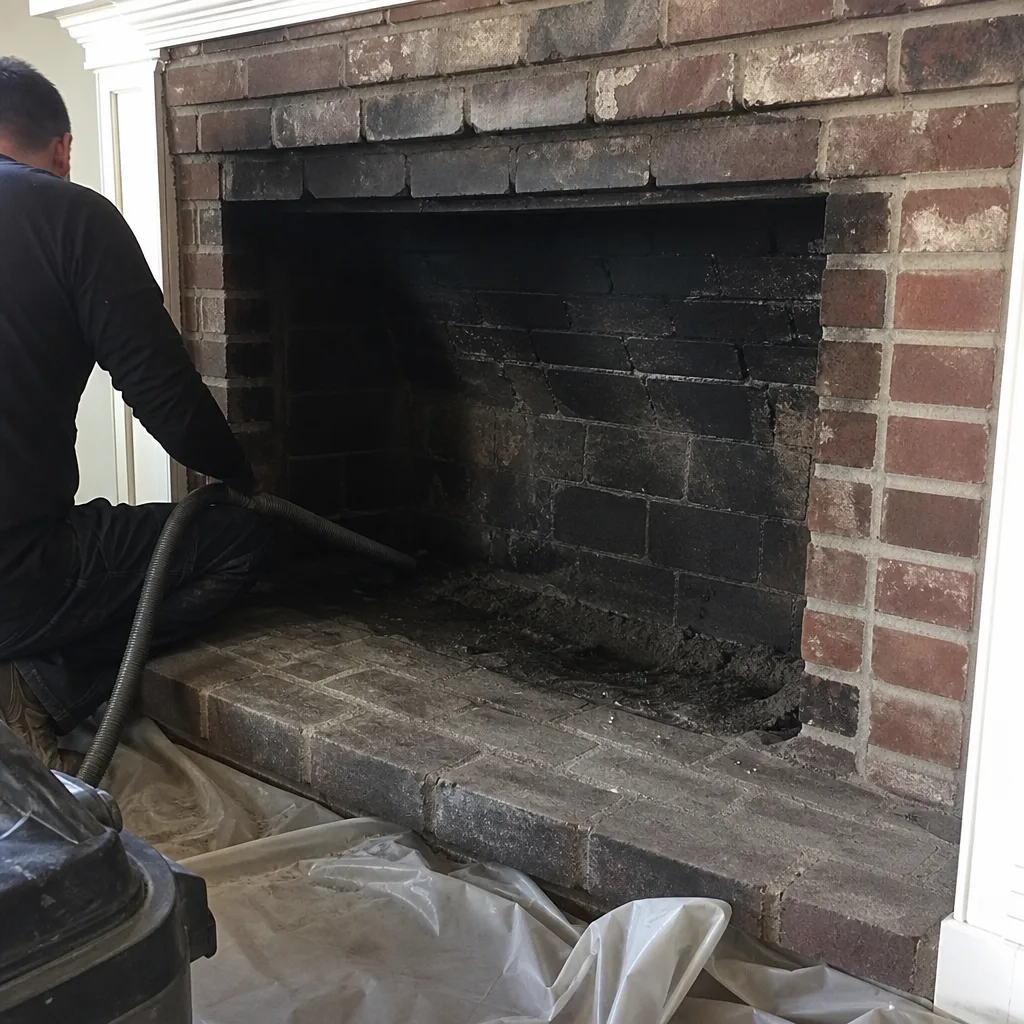 Before
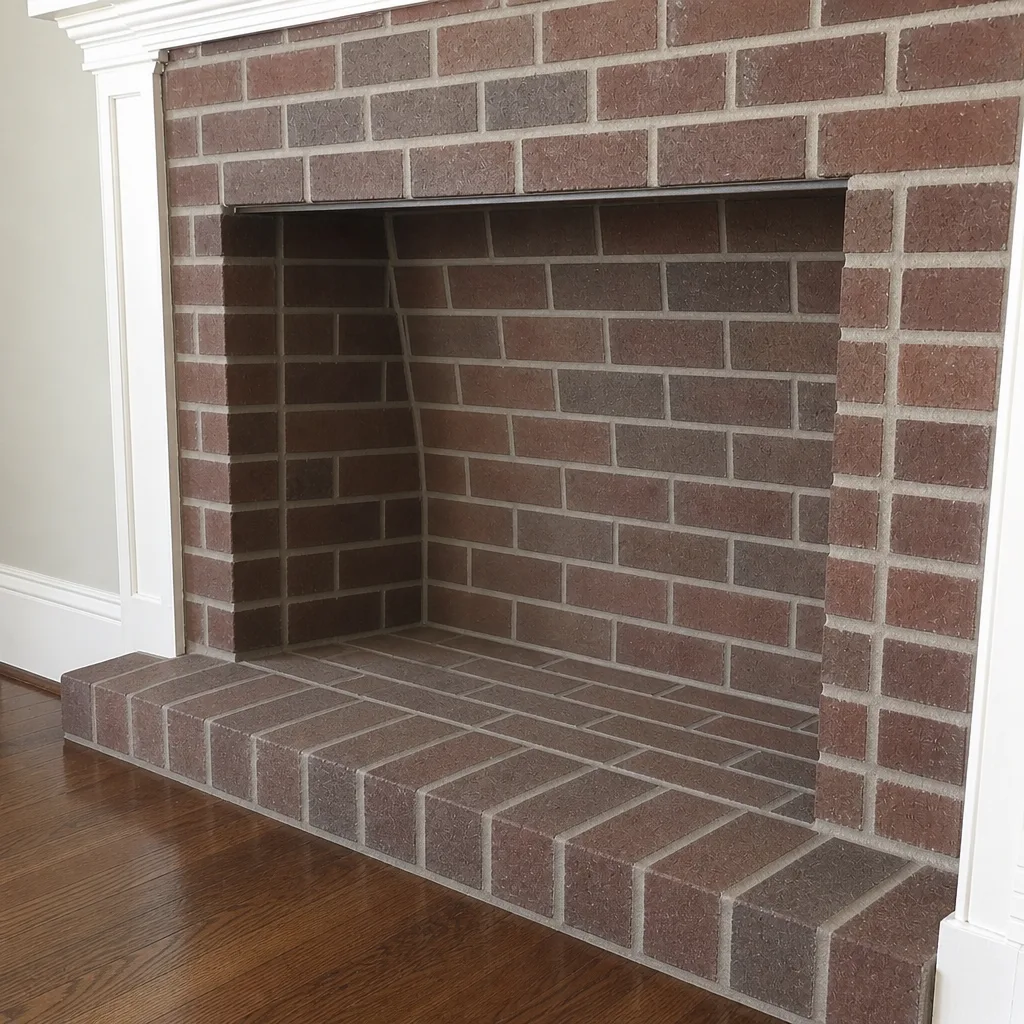 After
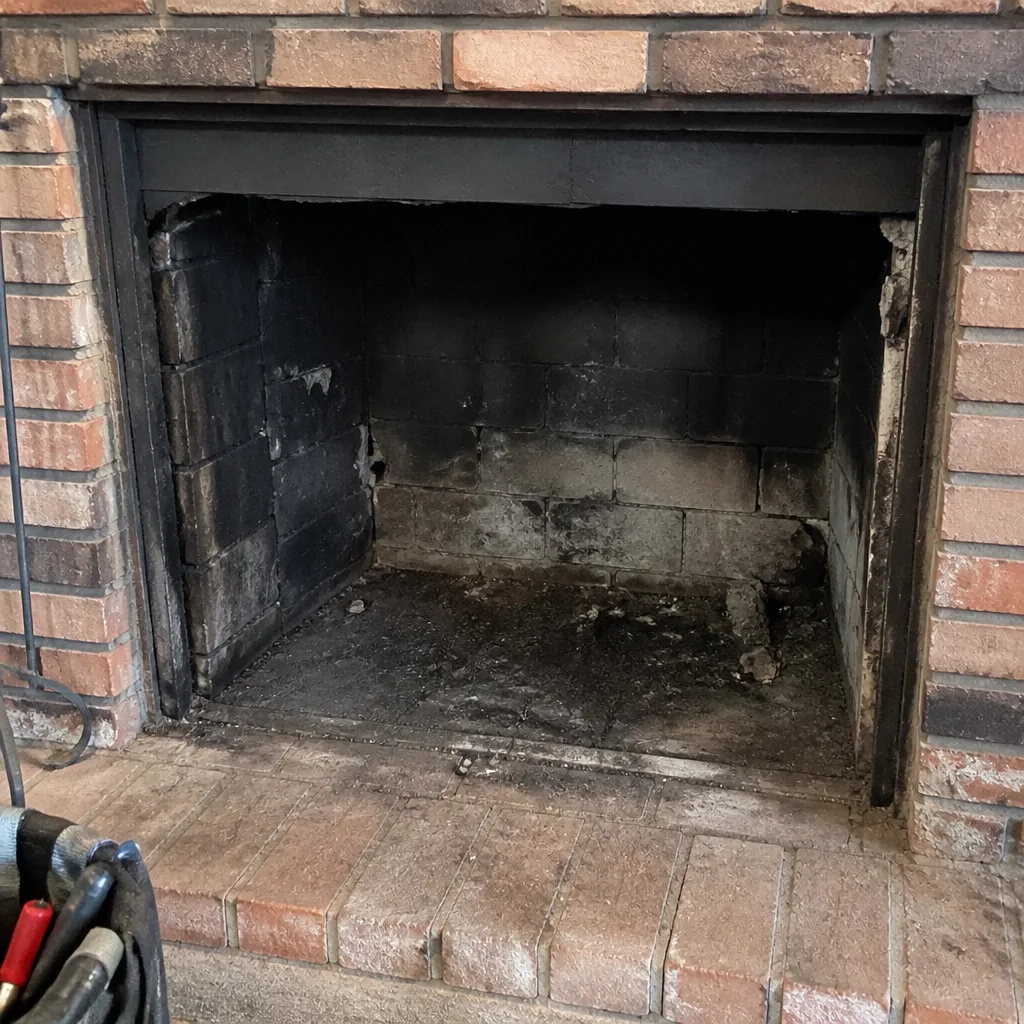 Before
 After
 Before
 After