
Last updated November 22, 2026
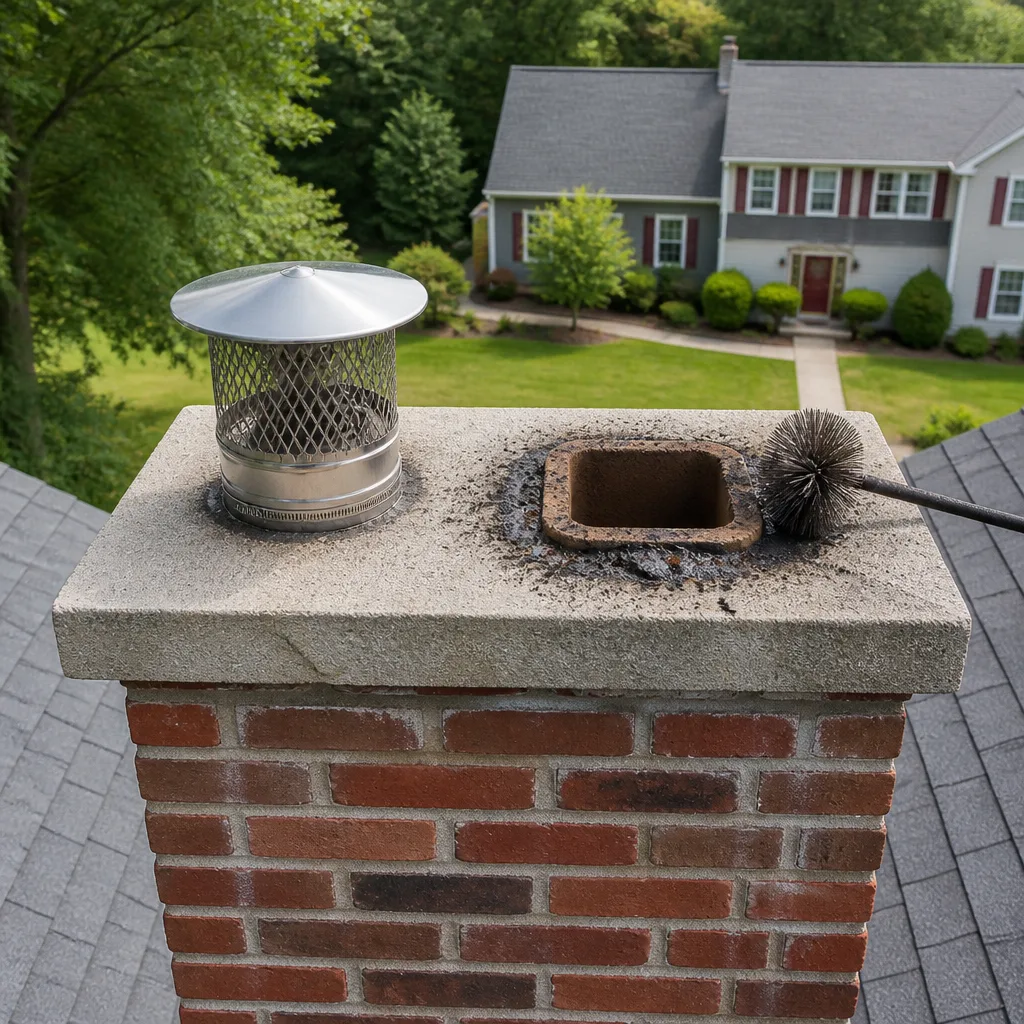 Sweep & inspection
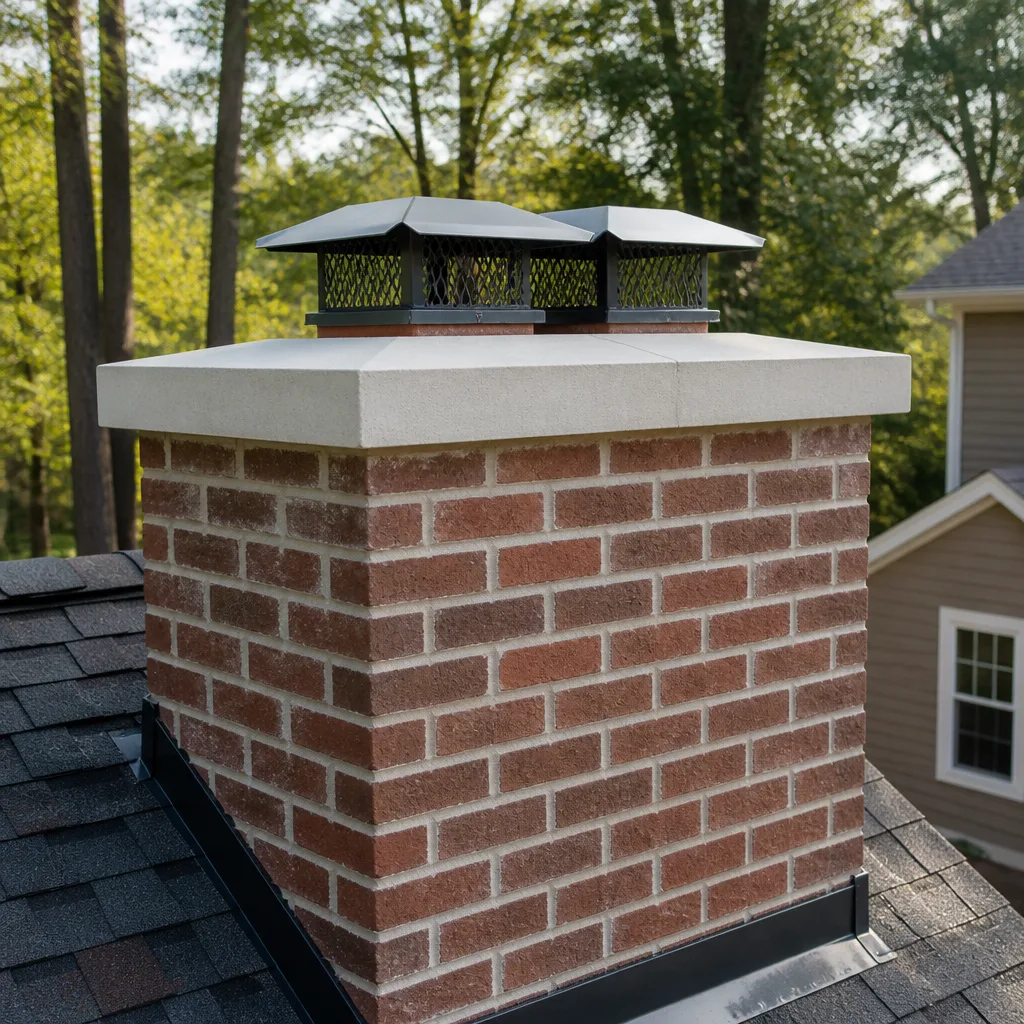 Caps & crowns
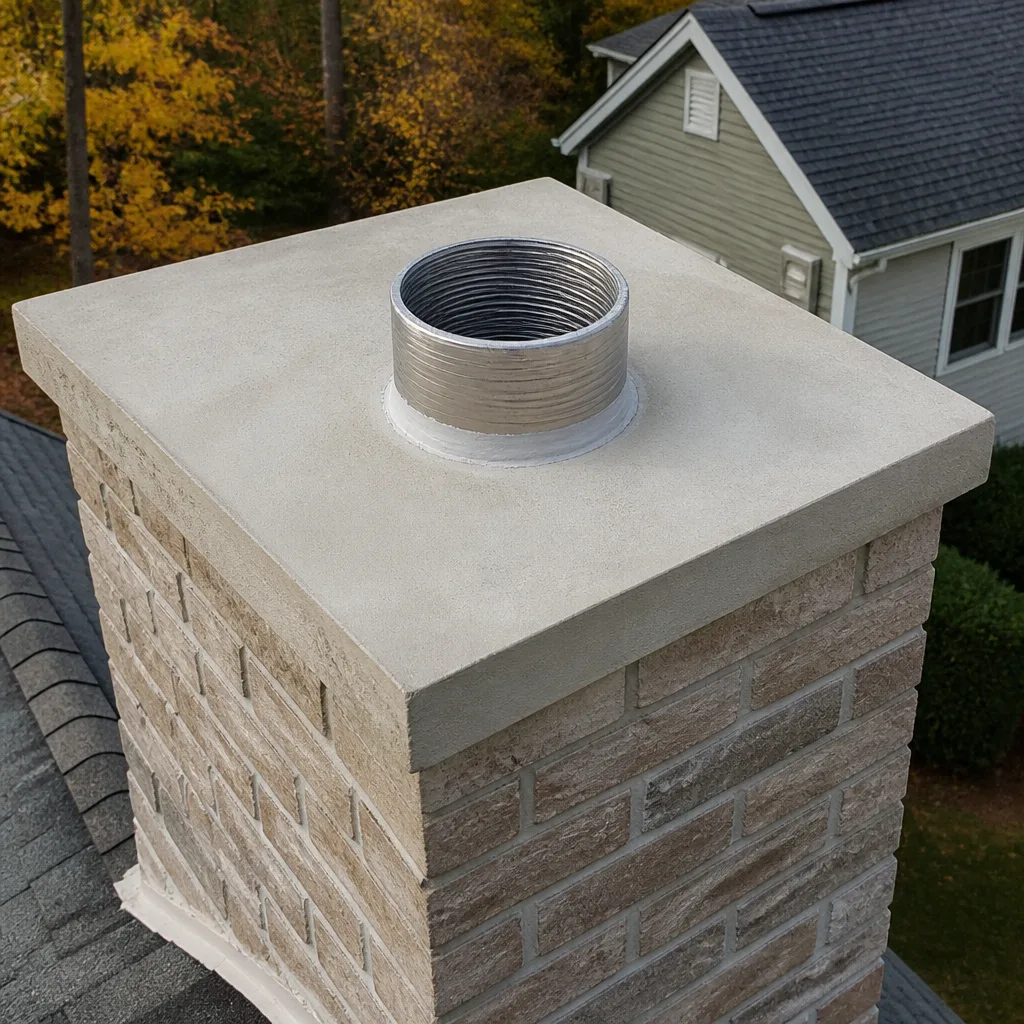 Flue relining
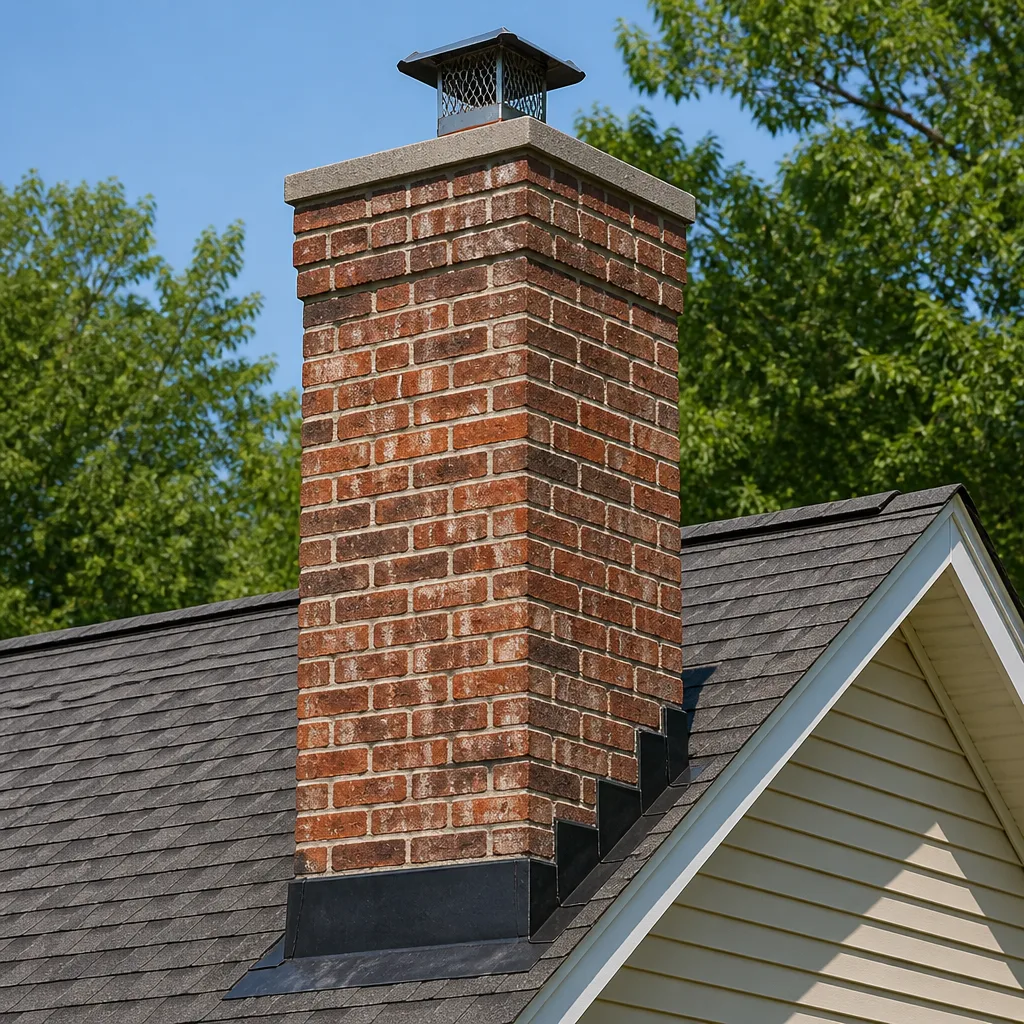 Masonry repair
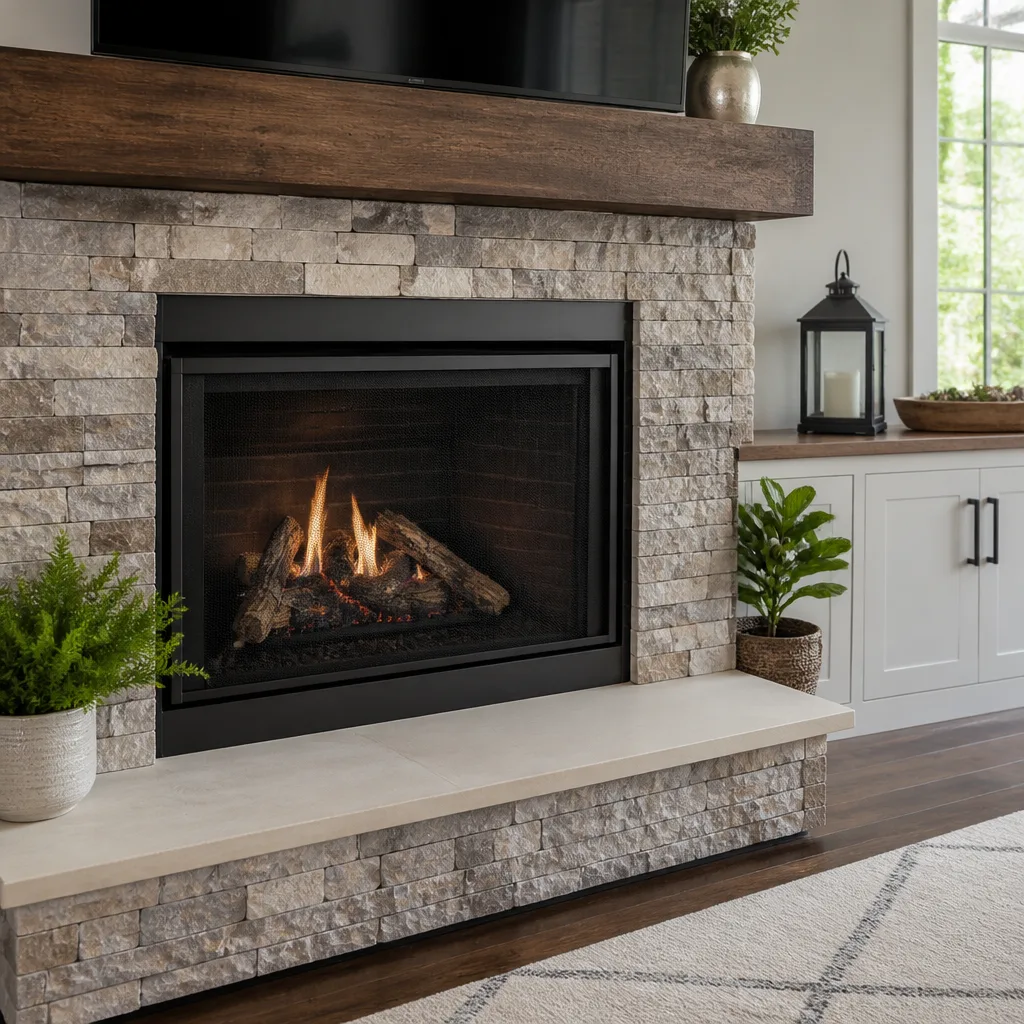 Gas fireplace service
Level 1 sweep and inspection to the NFPA 211 annual standard - flue, crown, cap, and flashing checked and photographed
Chimney sweep logs do not sweep chimneys. They loosen some creosote - which then falls where a brush and vacuum still have to collect it.
Seasonal Chimney Cleaning Care for West Hills: Year-Round Homeowner’s Guide
Most chimney-care advice you’ll find is written for places with real winters, where the calendar is easy: sweep in fall, rest in spring. West Hills doesn’t work that way. Our year splits into a fire season, a short and intense burn season, and a long dry stretch where the chimney sits idle but the weather doesn’t. The danger isn’t snow and ice – it’s windblown debris in the fall, ember exposure in the summer, and a dry heat that cracks mortar crowns slowly and quietly. Generic advice won’t tell you which months deserve a sweep, which deserve an inspection, and which just need the roof checked after a bad wind event. This guide walks through all twelve months for a West Hills chimney.
Quick Answer
A West Hills chimney needs one professional inspection and sweep before the first fire of the season, a mid-season cleaning once you’ve burned roughly a cord of wood or notice heavy creosote buildup, and one more look in spring for cap, crown, and nesting damage before the dry summer. Summer is actually the highest-risk season here because embers from nearby brush fires and wind-driven debris make their way into an unprotected flue – so a cap in good shape matters more in July than any other month. Book a chimney sweep ahead of the season, not after it.
Styles & brands we work with
- Sweep & inspection
- Caps & crowns
- Flue relining
- Masonry repair
- Gas fireplace service
Table of Contents
- Why West Hills Has a Different Chimney Calendar
- Summer (June – September): The Highest-Risk Off-Season
- Fall (October – November): Pre-Season Sweep and Wind Debris
- Winter (December – February): Mid-Season Cleaning Thresholds
- Spring (March – May): Post-Season Moisture and Nesting
- Building a 12-Month West Hills Maintenance Calendar
- What to Check Yourself Between Professional Visits
- What Seasonal Chimney Care Costs in West Hills
Why West Hills Has a Different Chimney Calendar
Chimney season in most of the country is shaped by cold. Here it’s shaped by fuel. West Hills is a wood-burning neighborhood by habit – mature lots with mature trees, homes set back from the street, fireplaces used as the main heat source on cool nights even when the furnace is running. Combine that with the Santa Ana winds that push through in fall and the regional fire season that runs through the summer, and you get a chimney calendar that has more to do with weather-driven debris and fire risk than with frost.
That change of frame matters because most of the maintenance advice you’ll find online is timed to spring thaw. There’s no thaw here. What there is:
- A long dry dormancy from roughly April through October, when the chimney sits unused but collects windblown dust, ash, and the occasional leaf load from a wind event.
- A concentrated burn window from November through February, when wood smoke loads creosote onto the flue lining faster than any other time of year.
- A year-round ember and wind exposure from the surrounding wildland-urban zone that the average sweep-only operation never thinks about.
When we write “seasonal” for a West Hills homeowner, we mean five distinct work periods, each with its own task. The chimney system is the same one you’ve always had – the schedule and the priorities are what change. Protecting the flue in this climate is a different job than protecting it in a cold-weather market, and the flue is what protects the home.
Summer (June – September): The Highest-Risk Off-Season
Summer is the season most West Hills homeowners skip entirely, and it’s the one that deserves the most attention. The chimney is idle, but the environment around it isn’t. Regional fire activity, dry brush, and high winds put airborne embers into the air. A missing or failing chimney cap & crown is what lets them into the flue, and that’s why the cap is the single component we care most about in July.
Here’s what we look at when we inspect a West Hills chimney in the summer:
- Cap integrity. A proper cap has a screen on all four sides and a solid top. Damaged screening, bent corners, or a cap pried loose by wind are the failure points.
- Crown cracks. The crown is the concrete cap on top of the masonry. Summer heat expands it, cool nights contract it, and fine hairline cracks slowly widen. Left alone, those cracks channel water straight into the chimney structure when the first rain arrives.
- Flue obstruction. A bird or squirrel can spend an idle summer in the flue if the cap screen has a gap. Empty nests and debris at the smoke shelf are common finds.
- Attic-side signs. Any staining, musty smell, or visible drip marks on the outer brick that appeared this summer point to water infiltration.
The good news about summer is that it’s the easiest time to schedule. Skilled chimney professionals are booked heavy in October and November, and a cracked crown caught in July can be repaired while it’s still cosmetic. We install caps and crowns at the time of service on materials spec’d by brands like Olympia Chimney and Copperfield – the same grade chimney professionals specify, not the thin consumer versions you’ll find at a home center. One summer inspection and cap replacement will save you a masonry repair by the time fall hits.
What to look for after a wind event
West Hills gets episodic wind – not a steady breeze, but hard pushes that come in fast. After any of those, do a quick self-check: is the cap still centered on the flue? Are there leaves and small twigs on the roof or in the gutters? Is any chimney hardware loose? If the cap is dented, tilted, or missing a screen panel, have it looked at before the burn season starts.
Fall (October – November): Pre-Season Sweep and Wind Debris
Fall is the real start of chimney season in West Hills, and the correct order of operations matters more than the timing. The mistake we see is homeowners who light the first fire on a cool October evening and call for a sweep a week later. That fire pushes whatever debris was in the flue into the air in the living room and, worse, can ignite unseasoned buildup in the smoke chamber.
Here’s the correct sequence every fall:
- Sweep first, burn second. Book a full inspection and cleaning before the fire season kicks off. Ideally, schedule in late September or early October before the first cool night.
- Check the cap and crown. Fall is when the Santa Ana wind pattern delivers leaves, ash, and debris. A cap that survived the summer may be knocked loose by the first big wind event.
- Look at the woodpile. Seasoned, dry wood burns cleaner and deposits less creosote. If you haven’t stacked wood all spring and summer, the first burn is heavier on the flue than usual.
- Test the damper. A damper that sticks or opens halfway is a sign of rust, ash buildup, or a mechanical failure. Have it fixed before you’re sitting on a cold night with the fireplace smoking.
What the wind deposits into a flue over a wind event is not trivial – leaves, ash, small twigs, even palm fronds. A full sweep pulls that material out before the first fire. It also gives a trained technician a chance to see the flue lining while it’s clean, which is the only time you can properly assess cracks, gaps, or spalling in the liner.
Why waiting until after first fire is a mistake
The first fire of the season exposes whatever was left in the chimney over the summer. If the flue has a bird’s nest blocked at the top, smoke backs into the house and, in the worst case, ignites it. If the smoke chamber is full of last year’s creosote, the first fire can push it over the threshold where it will ignite. Get the sweep and inspection out of the way before you light the first log. A pre-season cleaning is what gives you a safe first fire.
Winter (December – February): Mid-Season Cleaning Thresholds
Winter is the burn season, and it’s when a second sweep becomes worth considering. Not every West Hills home needs a mid-season cleaning, but there’s a simple rule of thumb: if you burn through roughly a cord of wood in a season, you’re a candidate. If you burn more, or if you notice any of the signs below, don’t wait for spring.
- Smoke rolling into the room. This is the most common sign of a partially blocked flue or a stuck damper.
- A stronger, sharper smell from the fireplace. Fresh creosote smells stronger than old, cooled creosote.
- Visible buildup on the firebox walls. Creosote accumulates on the flue and the top of the firebox first. A flashlight on the firebox interior shows you what’s happening up top.
- Damper that won’t fully open or close. Ash and soot buildup on the damper pivot is common mid-season. Have it serviced before it jams completely.
- Black smoke visible above the chimney from the street. That’s a sign of incomplete combustion, not just a busy fire.
Mid-season damper maintenance is the small winter task that saves the biggest headache. Clean the damper blade and pivot with a stiff brush when the fireplace is cold, and make sure the plate rotates freely through its full range. If it doesn’t, get it looked at before the next fire. A stuck damper is a fireplace repair that’s often simple and worth doing in season rather than waiting until the fireplace is cold for the year.
When to call for a mid-season sweep
We tell West Hills homeowners to call if any of the above signs show up, or if the wood has been burning particularly hot and fast. A hot fire burns through creosote deposits – but a cold, smoldering fire builds them up fast. If you’re burning smoldering wood all evening, that’s the recipe for heavy creosote loading, and a mid-season sweep is what keeps it from becoming a real fire hazard.
Spring (March – May): Post-Season Moisture and Nesting
Spring is the season West Hills homeowners slide the chimney out of mind, and it’s the second-most-important season after summer. The dry heat of summer is coming, and the winter burn left the cap, crown, and flue lining exposed. Spring is when you assess the damage from a season of fires and get ahead of nesting season.
The three spring tasks:
- Post-season sweep. A light sweep at the end of the burn season pulls the creosote that built up over the winter before the idle months. This also prevents the smell that comes from old creosote sitting in a hot flue in April and May.
- Crown and mortar inspection. Dry heat expands masonry, cool nights contract it, and the cycle cracks mortar joints and the crown. Small cracks are easy to seal in spring; hairline cracks that widen all summer become structural in fall.
- Nesting season check. Birds and squirrels scout for a nesting spot between late February and early May in West Hills. An intact, properly screened cap is your defense. If you find a nest in the chimney or firebox, do not remove it yourself – a cap screen is the correct solution, and a professional can safely remove the contents and install a cap after the season.
Birds, squirrels, and the flue
The chimney is a favorite spot because it’s warm, dry, and protected. And in this region, wildlife protection rules mean a nest with active eggs or young may not be removed until it’s empty. Our approach is straightforward: if we find an active nest, we leave it, install a properly sized screen cap, and return once the season is over to clear the flue. The cap is the long-term answer. Removal is the short-term fix. We’ve seen this exact sequence in West Hills homes where a damaged cap screen from a January wind event turned into a March squirrel nest and a May blocked flue. The cap should have been fixed in February.
Building a 12-Month West Hills Maintenance Calendar
The way to actually follow through on any of this is to put it on the calendar as recurring tasks. Here’s a schedule we’ve settled into with our West Hills customers because it accounts for how the local climate actually loads the chimney system, not a generic national template.
A month-by-month West Hills chimney care plan
- January. Mid-season check. Burn safely, watch for smoke roll into the living room, and clean the damper pivot.
- February. Late-season inspection. If you burned a cord or more, schedule a light sweep. Nesting season starts – a capped chimney is exactly what you want by now.
- March. Post-season sweep. Clear winter buildup before the idle months.
- April. Crown and mortar inspection. Seal hairline cracks before the summer heat cycle opens them up.
- May. Cap inspection. If the screen is bent or missing, replace it now, before the wind season and nesting season overlap.
- June – July. Mid-summer cap and crown look.
- August. Pre-burn-season booking window. Schedule the fall sweep now while slots are open.
- September. Pre-season full inspection and sweep – the most important visit of the year.
- October. First fire check. Confirm the cap, damper, and firebox are all in shape before lighting.
- November. Firewood check. Confirm wood is seasoned and stacked dry.
- December. Heavy burn season. Watch for smoke roll and creosote smell.
Two of these are the visits you should book as a matter of habit: the pre-season full inspection and sweep in September (schedule now, not in October) and the spring crown and cap look in April. If you’re on a tight schedule, those are the two that do the most to protect the system, and everything else is a between-visits check you can do yourself.
What to Check Yourself Between Professional Visits
You don’t need a professional every month, but there are a handful of safe checks you can do that catch problems early. These are visual checks only. Do not climb onto the roof, do not open the flue interior, and do not attempt to clean the flue yourself – a chimney is one of the few parts of a house where a wrong move can cause a real injury.
Safe monthly checks:
- Cap from the ground. Use binoculars. Is it straight and centered? Is the screen intact on all sides?
- Brick and mortar on the outside. Any new white staining, crumbling mortar, or loose bricks?
- Interior firebox walls. Any new cracks or flaking on the firebox surfaces?
- Damper movement when cold. Does the handle rotate smoothly and fully?
- Smoke draw on a cold night. Light a small, well-ventilated fire and watch the first minute of smoke. Does it draw cleanly up the flue, or does it back into the room?
Do not check inside the flue – a chimney sweep has the right lighting, camera, and brushes. Do not attempt to clean the flue or sweep the chimney yourself. Do not go onto the roof to check the cap. A fall from a roof is a worse injury than a neglected crown. If the ground-level check raises any concern, that’s the signal to call. Our technicians have up to 9 years of experience and can pull a photo report of what’s actually inside the flue using the camera inspection, so you can see what we see instead of just being told what’s wrong.
What Seasonal Chimney Care Costs in West Hills
We get asked a lot what seasonal care actually runs, and the honest answer is that it depends on what we find. A standard sweep and inspection is per-job, not per-month. Here’s how the pieces break down into typical tasks so you can plan:
| Service area | Typical task |
|---|---|
| Pre-season inspection and sweep | Full inspection of cap, crown, firebox, damper, and flue, plus a cleaning. Written estimate provided before work. |
| Mid-season sweep | Reclean of a heavily used flue, often paired with a second look at the damper and firebox. |
| Cap and screen replacement | Sized correctly for the flue, installed at time of service, and graded for years of wind exposure. |
| Crown sealing or repair | Sealing hairline cracks or repointing mortar joints before summer heat expands them. |
| Post-season sweep | Light clean at end of burn season to remove creosote and the seasonal smell. |
Two things to know before you book anything: the estimate is free, and the written estimate sets the final price for the job. If we recommend a repair, we tell you what we found on camera and show you what we saw. Nothing gets recommended without evidence you can look at yourself, and if a repair can safely wait until next year, we say so. The full range of chimney work – from a single sweep to a full liner restoration – sits with one company, so you don’t hand off to a separate contractor mid-project. We work with materials the industry trusts: DuraFlex for flexible relines, HeatShield for flue liner restoration, Famco and Copperfield for crowns and caps, and Olympia Chimney trusted across all of it.
Common Mistakes to Avoid
- Waiting for the first fire to book a sweep. The first fire pushes whatever collected over the summer into the flue and into the room. Book the fall sweep in late September, not in October after you’ve already burned a cord of wood.
- Skipping the summer inspection because the chimney is “unused.” Summer is exactly when the West Hills wind and fire environment does the most damage to caps and crowns. An idle chimney is not a safer chimney.
- Letting a spring bird nest sit until fall. A nest left in the flue sits directly in the path of smoke and blocks the draw. Install a properly sized cap and clear the nest at the end of nesting season. Waiting until fall means a backed-up first fire.
- Ignoring a crown crack that looks small. The crown is concrete; when it cracks, water follows the crack and expands the damage over a single summer. A cosmetic crack becomes a structural masonry repair in one season.
- Burning unseasoned wood to save money. Wet wood burns cold and smoldering, which deposits more creosote than dry wood. A mid-season sweep won’t fix a habit of burning green wood.
- Using a consumer-grade cap. The home-center caps with thin screening aren’t built for the wind events West Hills gets. A cap that bends in a January wind event is why you find a squirrel in your flue in March.
- Trying to clean the flue yourself. This is the mistake we see most. A flue brush, soot, and an unprotected roof access is a recipe for a fall or a fire. Professional sweeps use camera inspection and proper equipment for a reason.
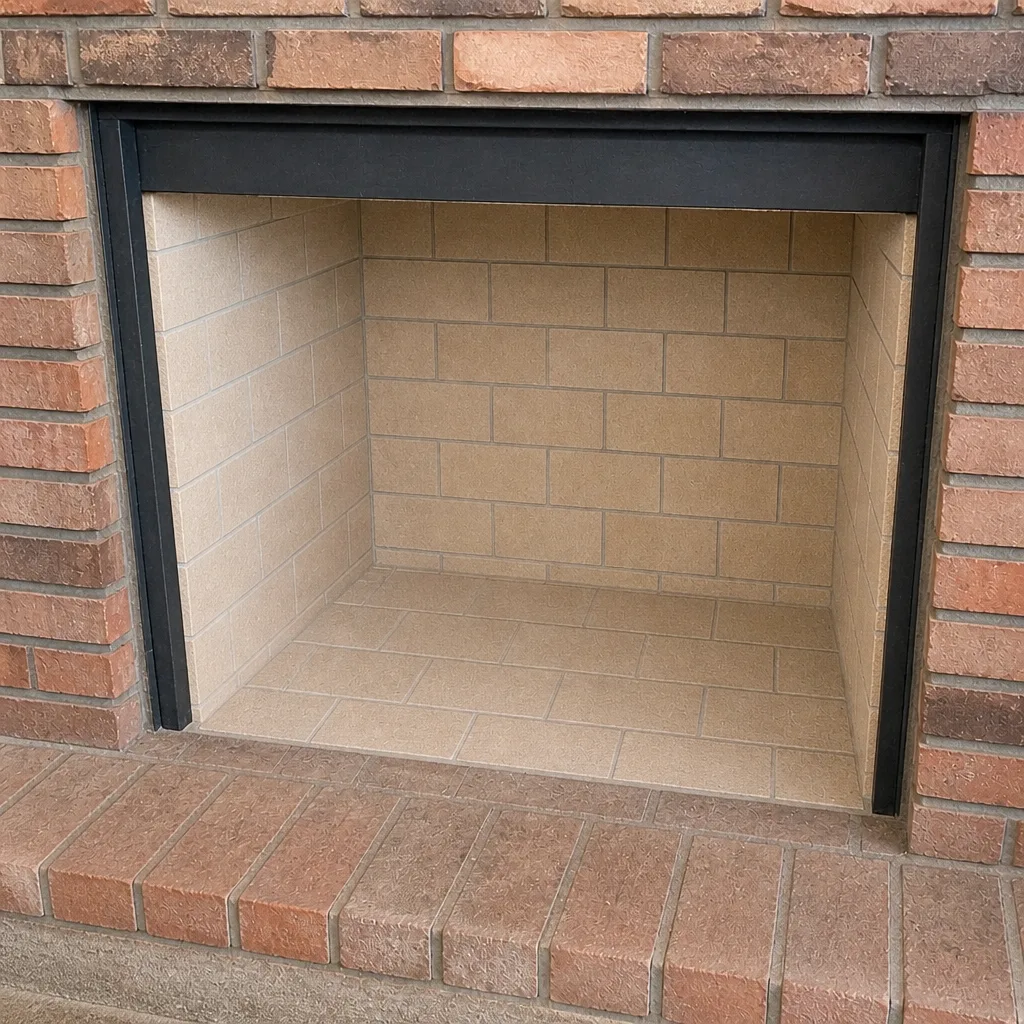
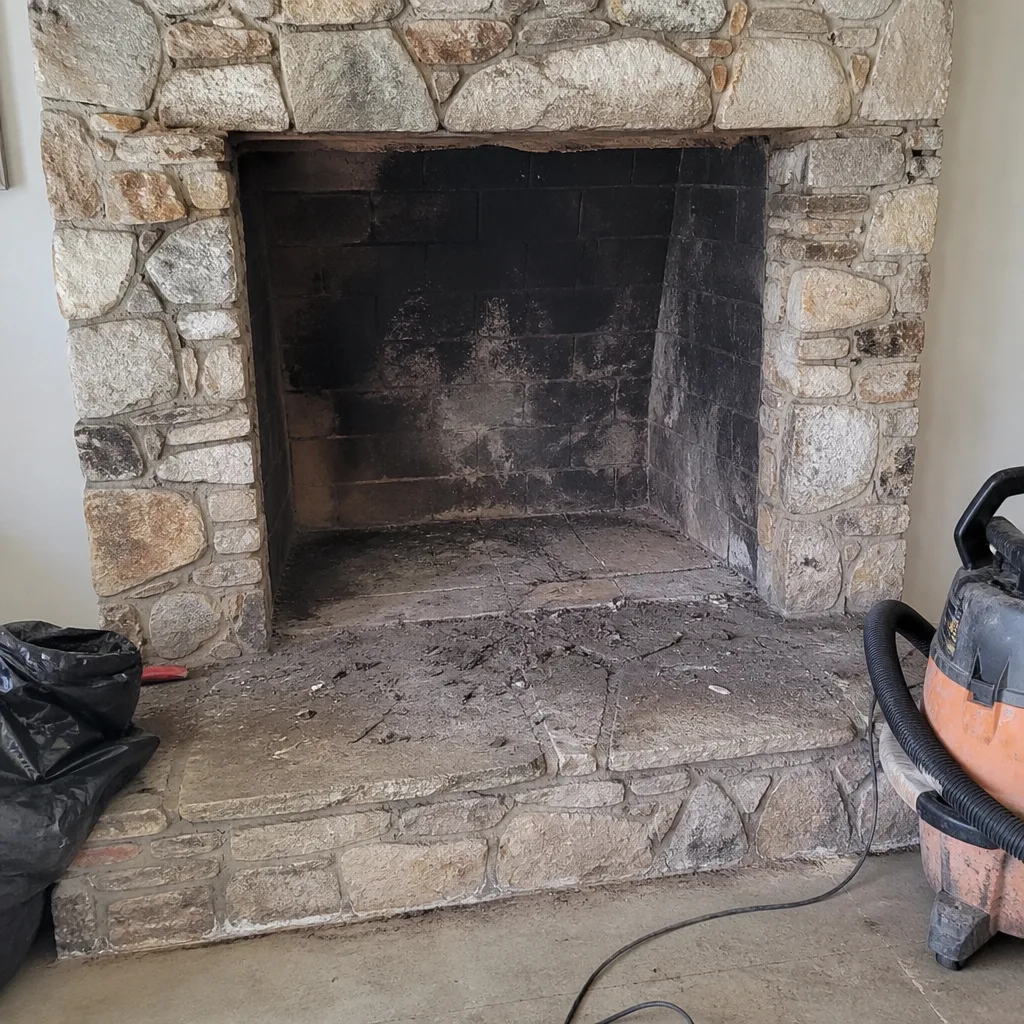
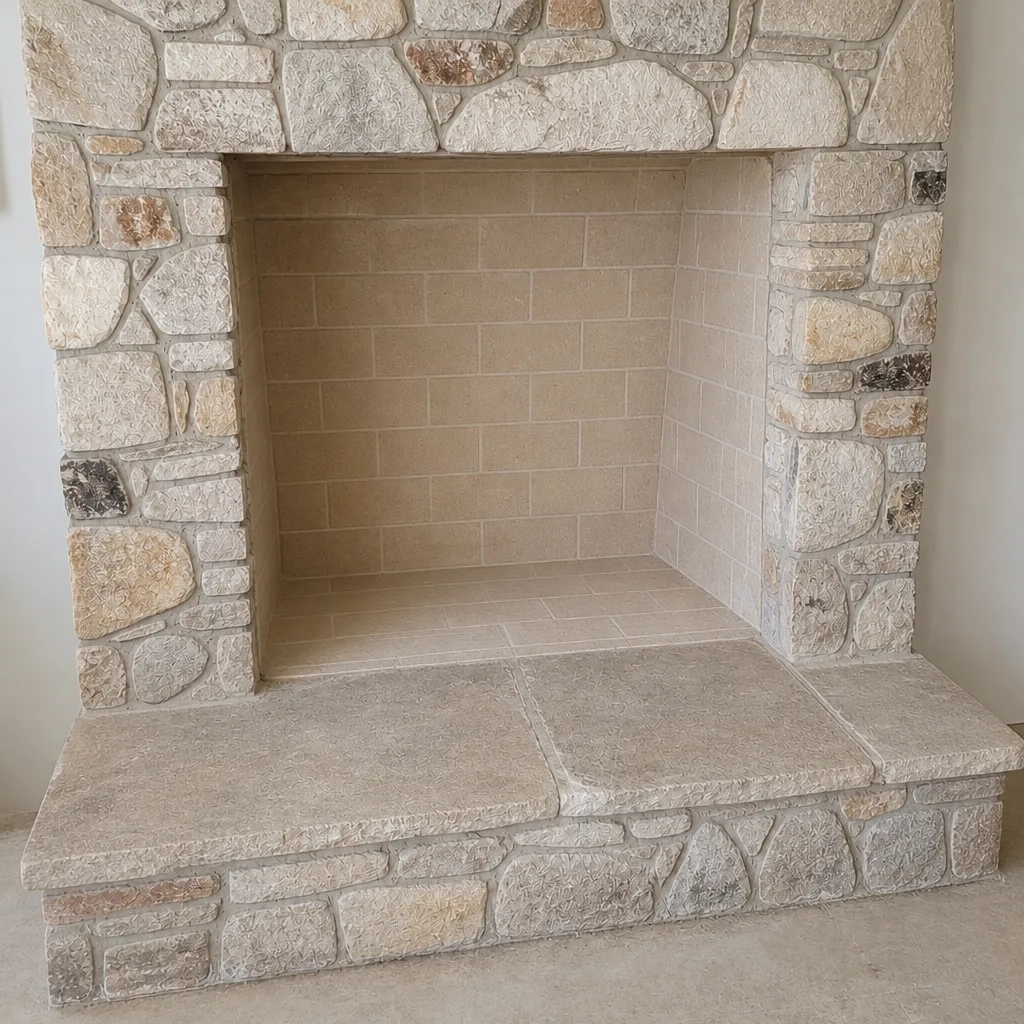
See the difference
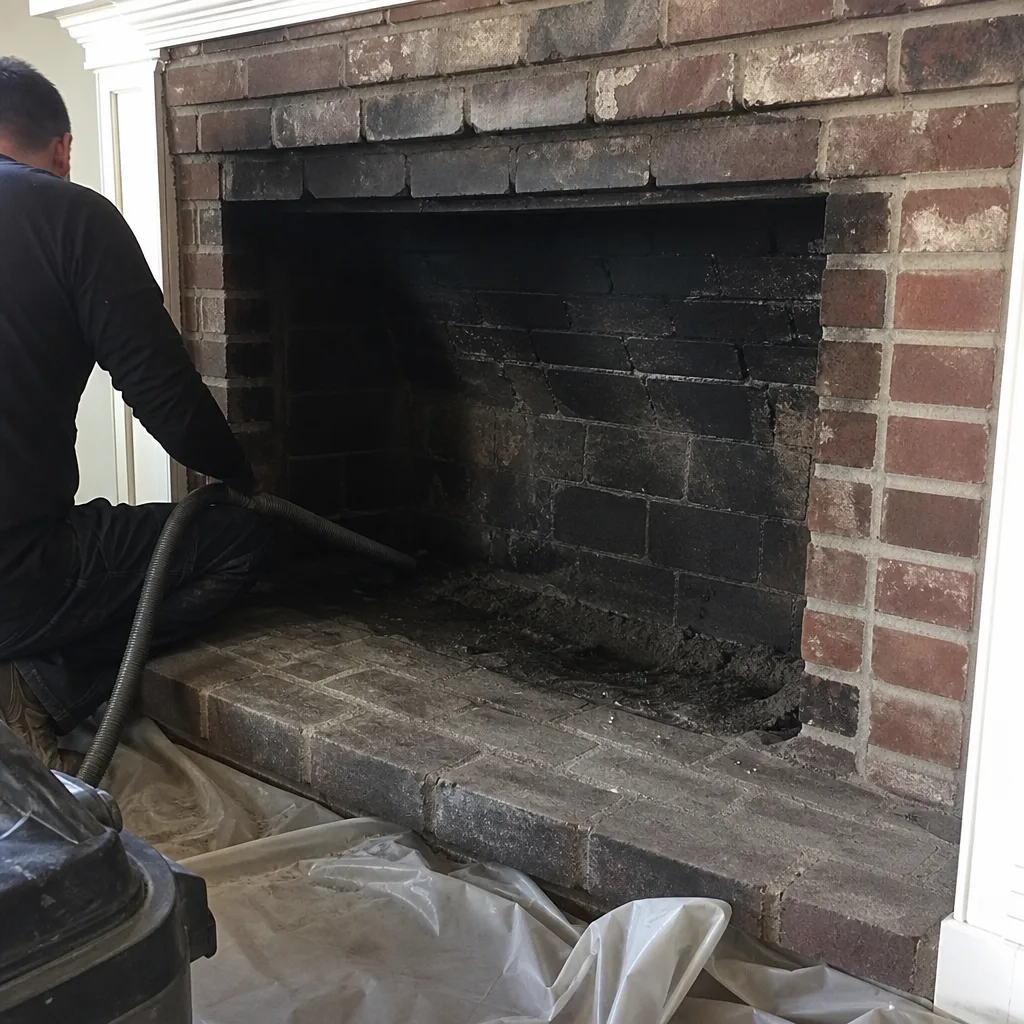 Before
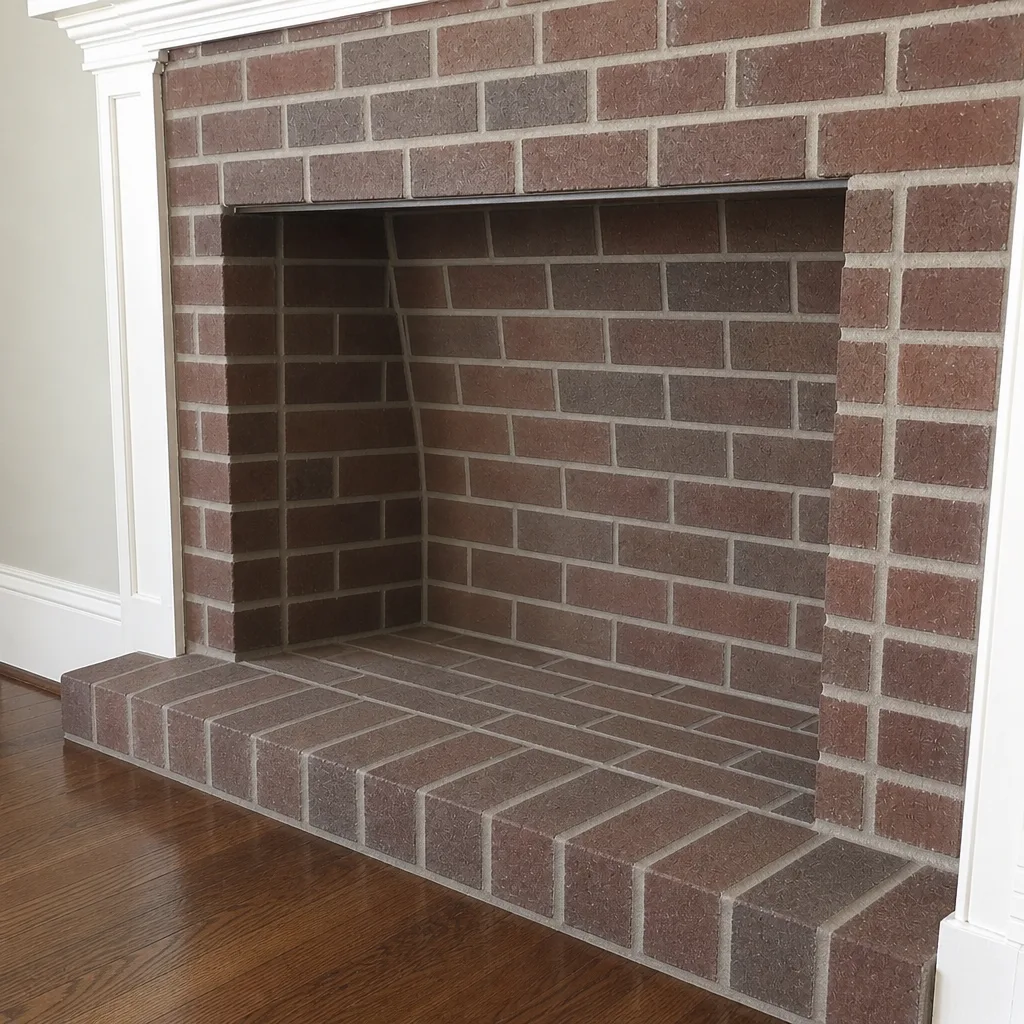 After
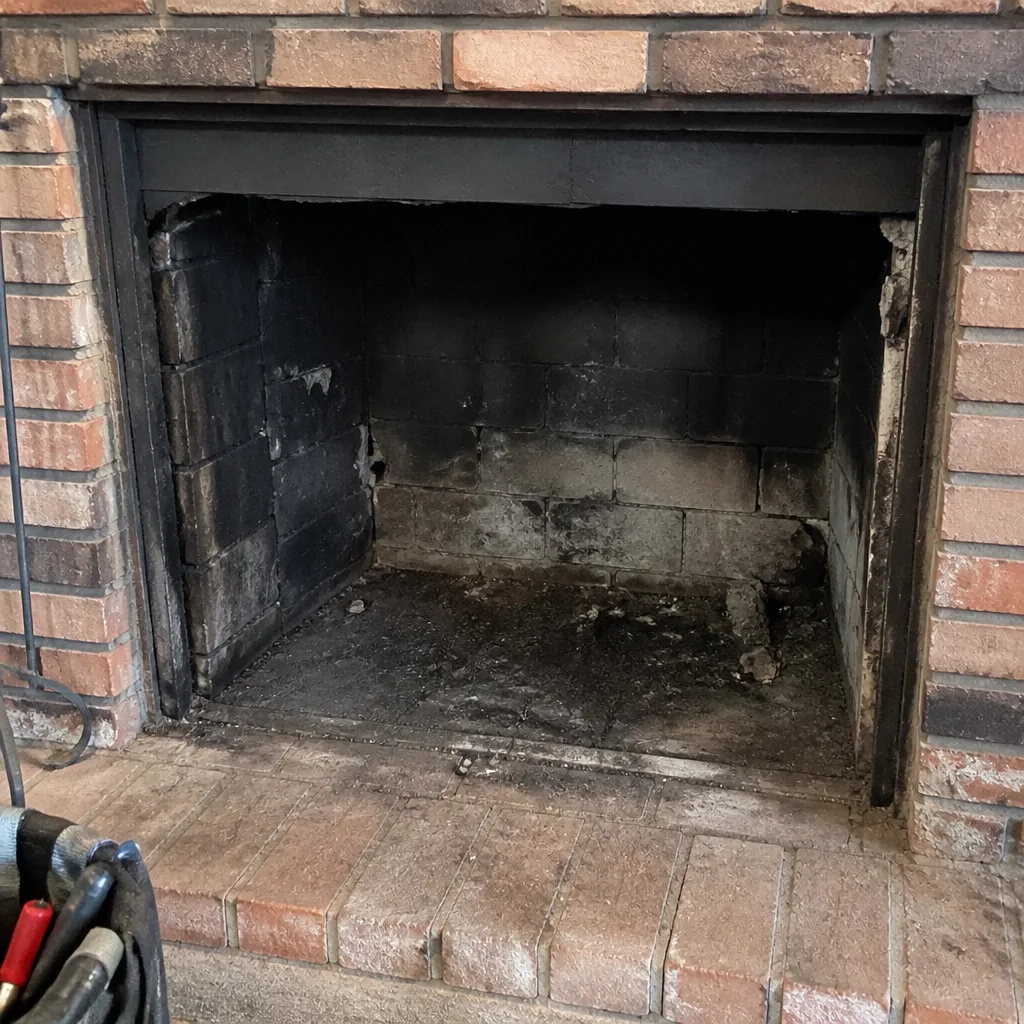 Before
 After
 Before
 After
When to Call a Professional
There are specific times to make the call, and none of them should wait for a convenient moment. Call a professional if you see smoke roll into the room when you light a fire, if the damper won’t open or close fully, if you smell a strong smoke odor even when the fireplace is cold, if you see visible creosote at the top of the firebox, if the cap is dented or the screen is torn, if you see stains or water on the outer chimney bricks, or if it’s simply been more than a year since the last inspection. And call if the chimney is used heavily and it’s mid-season – a mid-season sweep isn’t a luxury, it’s how the burn season stays safe. A clean chimney is the starting point, not the finish line. Chimney Sweep West Hills offers free estimates in West Hills – call (855) 337-1817 to book a sweep or inspection.
Frequently Asked Questions
Once a year for a typical home, and twice if the fireplace is used heavily through the winter or if you burn more than about a cord of wood in a season. In West Hills, the most useful cycle is one pre-season sweep in September and a spring sweep or inspection after the burn season ends. Homes that burn wood all winter and are surrounded by mature trees benefit most from the two-sweep pattern.
Yes, because the off-season is not idle in West Hills. Debris from wind events, bird or squirrel activity, and fine dust accumulates in a chimney that hasn’t been used in months. An annual inspection and sweep keeps that debris from becoming an obstruction in the first fire of the season. If you want to space out the visits, the pre-season inspection is the one to keep every year.
The flue accumulates creosote faster than most people realize, and creosote is what chimney fires burn. A crack in the crown that goes unrepaired lets water into the masonry and expands the damage through every summer. Blockages from nests or wind debris cause smoke and carbon monoxide to back into the home. None of these are dramatic problems in month one. All of them become urgent after two or three skipped seasons.
For cap and crown damage, yes. Fire season, dry heat, and hard wind push embers, ash, and plant debris toward any chimney with a compromised cap, and the summer heat cycle widens crown cracks more than any other period. Winter is the highest-risk season for creosote buildup – that’s why both seasons matter. The mistake is treating summer as a rest period.
Do not try to remove a nest yourself. A properly screened cap should be installed and, if there’s an active nest, it’s left in place until the young have left. Once nesting season is over, the flue is cleared, the cap is confirmed to be correctly sized, and the chimney is inspected for damage. The cap is the permanent answer – the nest is the symptom.
Yes, and this is the reason we built the company around the full chimney lifecycle. Inspection, cleaning, cap and crown work, fireplace repair, and full chimney rebuilds sit under one roof. If the sweep turns up a problem, we don’t hand you off to another contractor. From annual sweep to full liner restoration, we diagnose it correctly the first time and tell you exactly what needs fixing versus what can safely wait.
The Bottom Line
West Hills doesn’t have four chimney seasons – it has a fire season, a short burn season, and a long dry dormancy, and each one loads the chimney differently. The habits that actually protect a West Hills home are these: sweep and inspect before the first fire in September, keep the cap and crown intact through the summer heat and wind, do a mid-season sweep if you’re burning heavily, and inspect for nesting damage in the spring before the dry season starts. Book the pre-season inspection now, and the rest of the calendar is mostly watching for signs. Call (855) 337-1817 for a free estimate and a written scope of what your West Hills fireplace actually needs.
Written by the team at Chimney Sweep West Hills.