
Last updated November 22, 2026
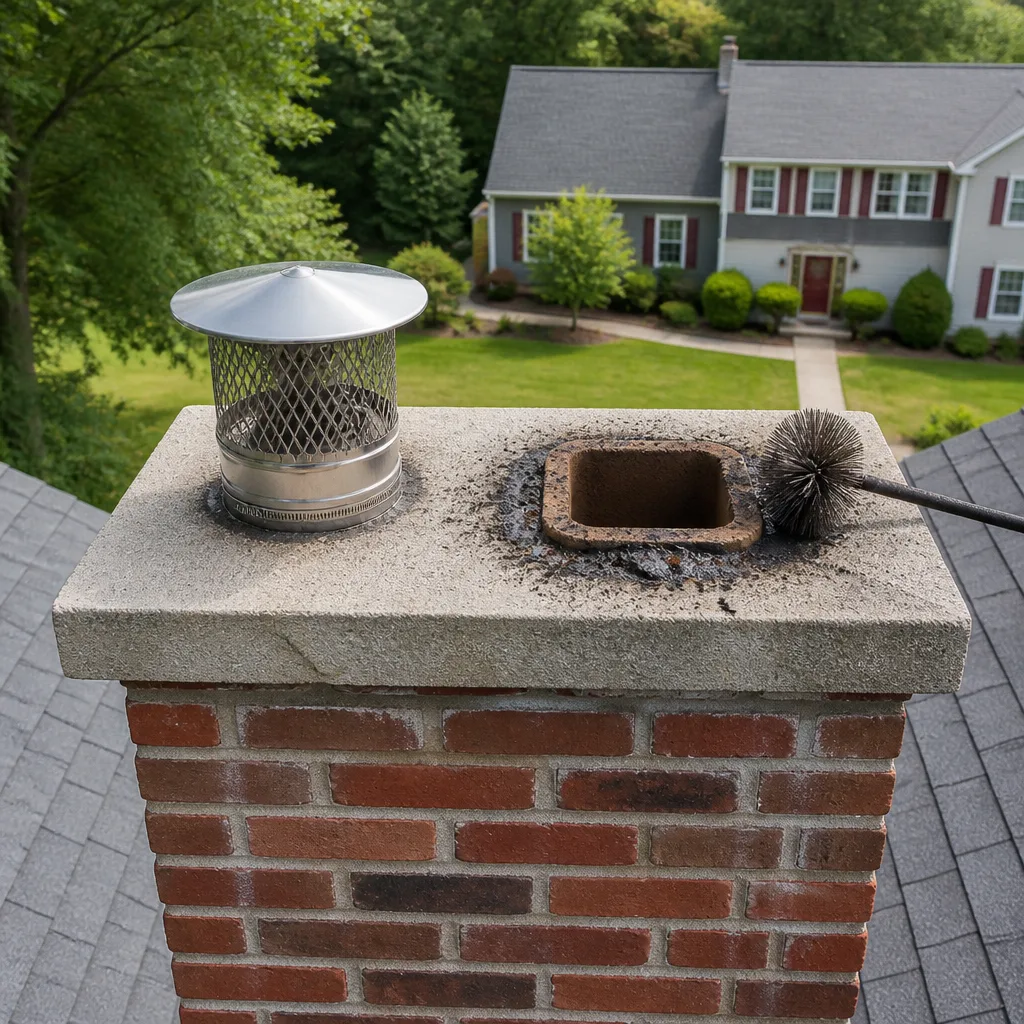 Sweep & inspection
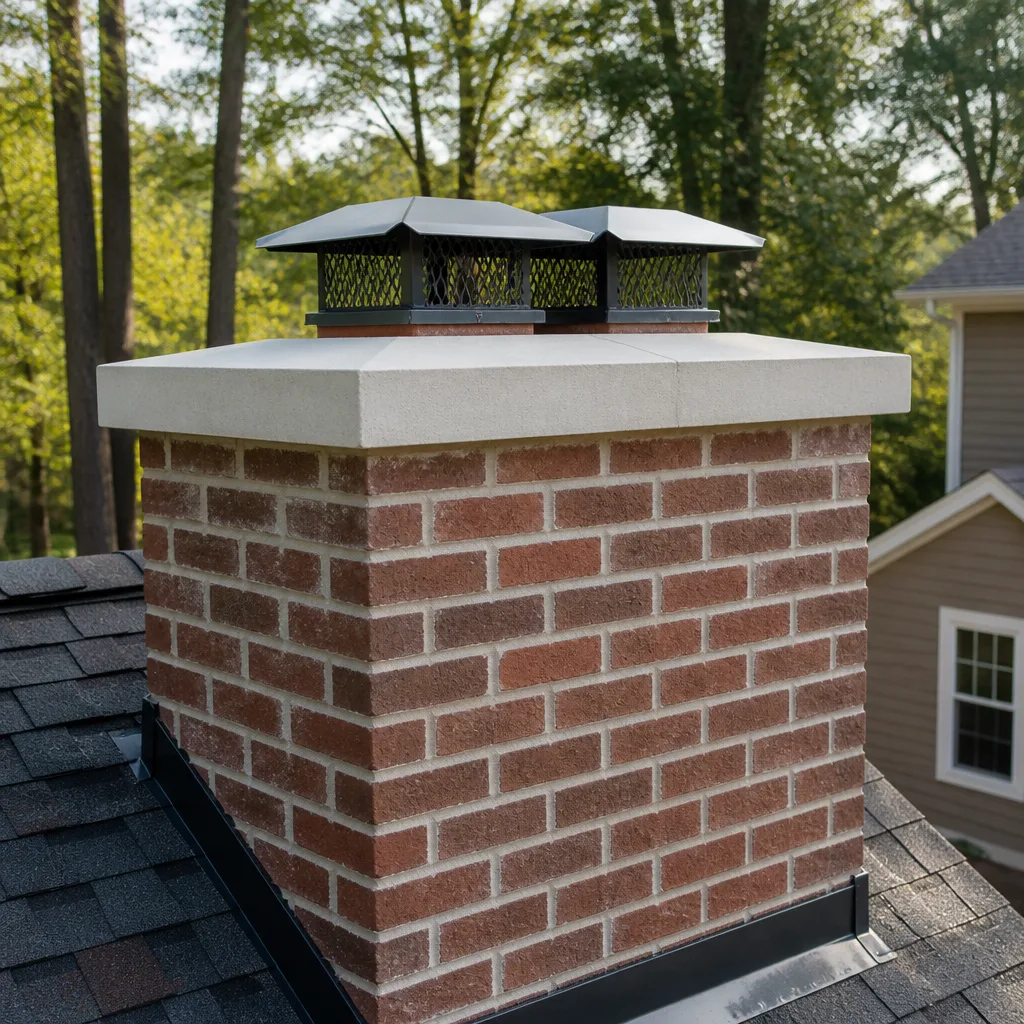 Caps & crowns
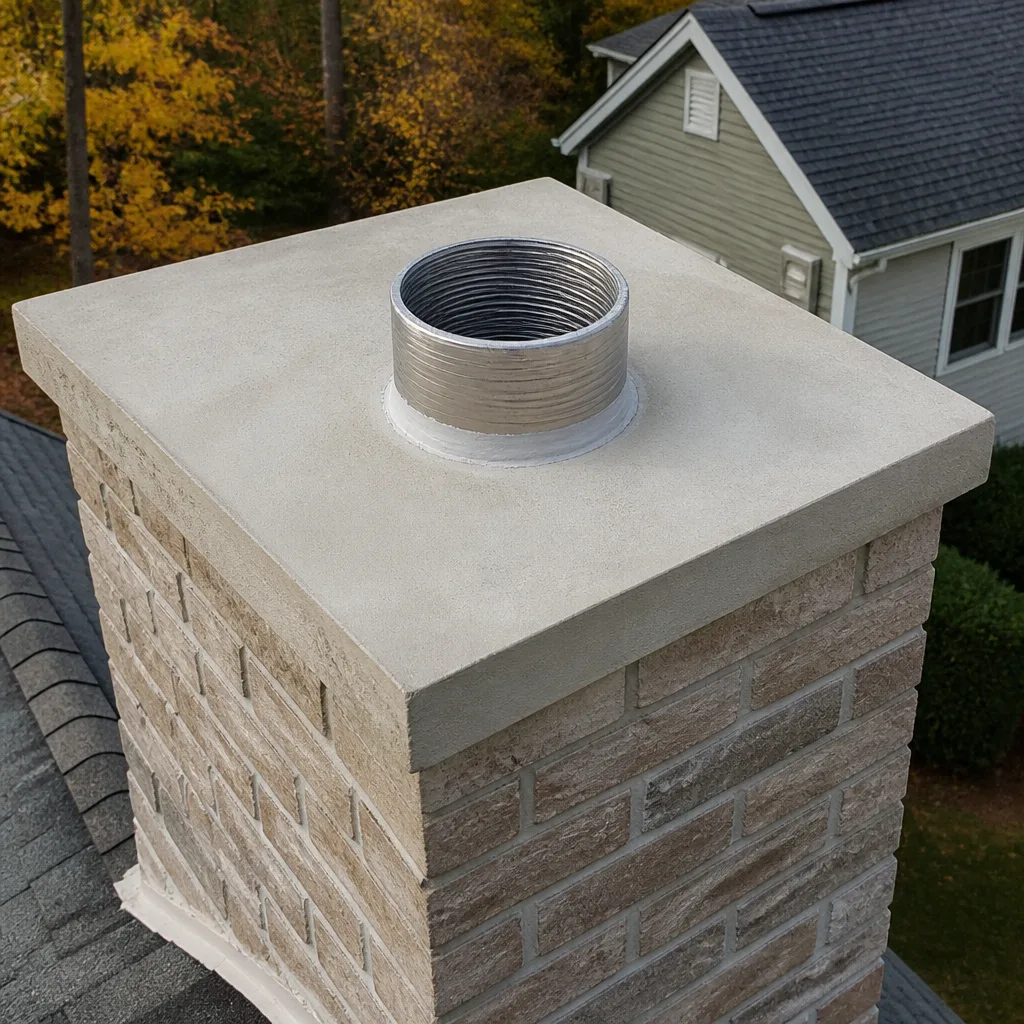 Flue relining
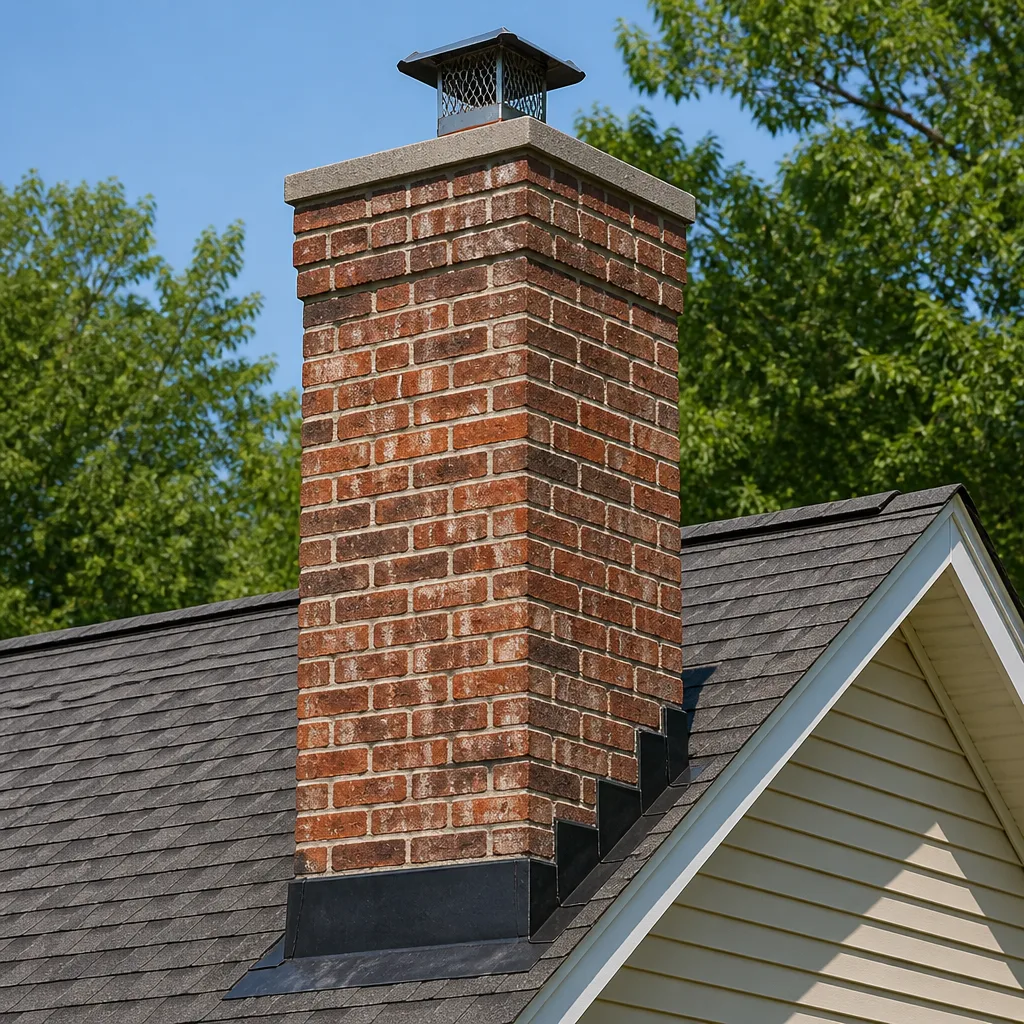 Masonry repair
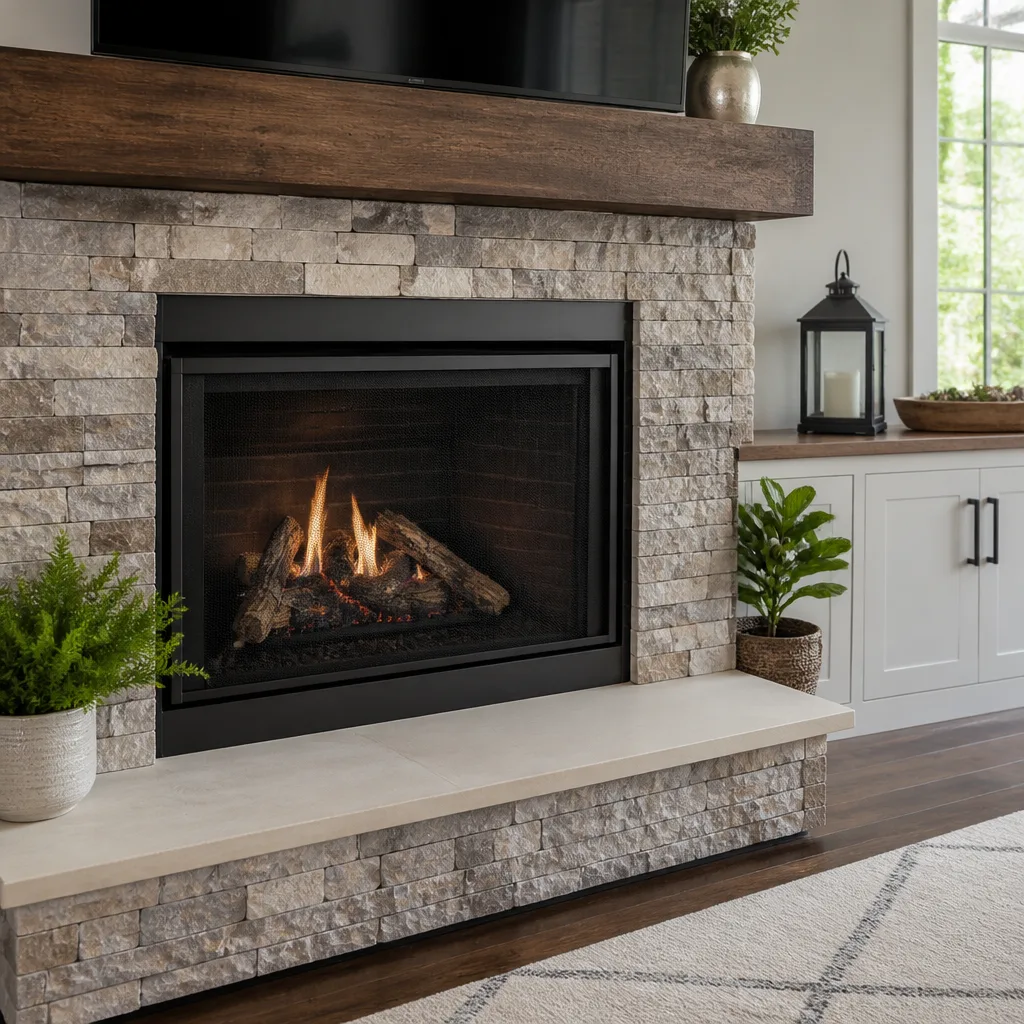 Gas fireplace service
Level 1 sweep and inspection to the NFPA 211 annual standard - flue, crown, cap, and flashing checked and photographed
Chimney sweep logs do not sweep chimneys. They loosen some creosote - which then falls where a brush and vacuum still have to collect it.
DIY vs Professional Chimney Cleaning: The West Hills Homeowner’s Decision Guide
You can buy a chimney brush kit online for $45 and physically move creosote out of a flue. That part is real. What no brush kit gives you is the ability to tell stage-1 soot from the early formation of stage-3 glazed creosote, or to see the hairline crack in a liner that turns a routine fire into a carbon monoxide path into your living room. The DIY chimney cleaning debate usually gets framed around saving money. The more useful frame is capability: there are jobs around the firebox a homeowner can do well, and there are jobs where missing tools and training create a false sense of safety. This guide draws the line for West Hills homeowners, with the local risk calculus that makes the answer here a little different than it would be in a wetter, colder part of the country.
Quick Answer
For most West Hills homeowners, professional chimney cleaning is the better call once a year, and it’s non-negotiable any time you can’t see the full flue or you notice glazing, cracking, or heavy buildup. DIY brushing is a reasonable supplement on a straight single-flue masonry chimney with light, dry soot, but it can’t identify stage-2 or stage-3 creosote, check the liner for cracks, or assess the smoke chamber. The difference between those two outcomes is safety information you can’t get from a brush alone.
Styles & brands we work with
- Sweep & inspection
- Caps & crowns
- Flue relining
- Masonry repair
- Gas fireplace service
Table of Contents
- The Capability Gap, Not the Cost Gap
- The Honest DIY Ceiling: What You Can Do Yourself
- Where DIY Creates a Liability Gap
- The West Hills Risk Calculus
- Equipment Reality Check
- A Decision Framework for West Hills Homes
- Inspection and Cleaning Are Not the Same Job
- When to Stop DIY and Call
The Capability Gap, Not the Cost Gap
The internet is full of cost comparisons for DIY versus professional chimney cleaning, and they’re mostly a distraction. A brush kit costs less than a sweep. That’s true and it’s not the interesting question. The interesting question is what each method actually produces: one produces a cleaner flue surface, and the other produces a cleaner flue surface plus a diagnosis.
A professional chimney sweep is not just a brush on a longer rod. It’s a sequence of assessment steps that happen before, during, and after the cleaning. In our experience, the diagnostic value is the part homeowners underestimate most. A cleaning that removes soot and leaves you with an accurate picture of your liner, smoke chamber, damper, and cap is a fundamentally different product than a cleaning that removes soot and tells you nothing.
Think about what a doctor does versus what a vacuum does. Both can clean a wound. Only one of them tells you whether it’s infected. A chimney works the same way. The soot removal is the visible, satisfying part. The assessment is the part that protects the home.
What “Capability” Actually Means in Chimney Work
- Access to the full flue length from the top, including offsets and transitions a bottom-up brush can’t reach cleanly
- The visual and camera tools to inspect the liner interior, not just the firebox
- The training to distinguish creosote stages and recognize glazing formation before it hardens
- The experience to read a smoke chamber, damper assembly, and crown as a system rather than as separate parts
- The ability to identify defects that need fireplace repair or a full liner decision, and to recommend the right fix rather than the convenient one
None of those are things a homeowner can replicate with a $45 kit. Some of them can be partially replicated with a few hundred dollars of camera gear and a lot of reading. But most homeowners don’t want to become chimney inspectors, and that’s fine. That’s why the trade exists.
The Honest DIY Ceiling: What You Can Do Yourself
Let’s be fair to DIY. There are genuine, safe, useful things a homeowner can do without professional tools, and pretending otherwise undermines the credibility of everything else in this guide. Here’s the honest ceiling.
What a Homeowner Can Reasonably Do
- Visual firebox check. Look at the firebrick, the damper, and the smoke shelf with a flashlight before every burn season. You’re looking for obvious cracks, missing mortar, rust, or debris. If something looks wrong, that’s the point where you call someone.
- Exterior debris removal. Clear leaves, twigs, and nests off the chimney cap and out of the crown area. This is housekeeping, not chimney work, and it prevents the most common cause of blocked flues in West Hills homes surrounded by mature trees.
- Ash removal and firebox cleanout. Keeping ash levels reasonable protects the firebrick and makes the next fire burn cleaner. This is straightforward maintenance.
- Light brushing on a straight single-flue masonry chimney. If your chimney is a simple straight run with no offsets, and you have clearly visible dry, fluffy soot, a homeowner can brush the flue from the top with a proper-sized brush. Emphasis on straight, simple, and light. The moment the description changes, this stops applying.
- Annual visual logging. Take dated photos of the firebox, damper, and cap every year. Compare year over year. This habit alone catches more problems early than almost anything else a homeowner can do.
What DIY Cannot Reliably Do
- Identify creosote stage beyond stage 1 with confidence
- Inspect the interior of the flue liner for hairline cracks
- Assess smoke chamber condition, which is where a lot of real problems live
- Evaluate crown integrity and flashing seals from a safe position
- Recognize the difference between a normal amount of buildup and the start of a glazing problem
- Confirm a prefab chimney’s liner is intact, since prefab liners have their own failure modes
That last one matters more than people realize. Prefab chimneys are common in the housing stock across the west San Fernando Valley, and their liners can degrade in ways a brush never touches.
Where DIY Creates a Liability Gap
The liability gap is the space between “the chimney looks clean” and “the chimney is safe.” DIY can close the first gap. It can’t close the second. That’s not an insult to homeowners. It’s a statement about what brushing does and doesn’t reveal.
The Three Creosote Stages, and Why Only One Is DIY-Visible
Stage 1 creosote is dry, flaky, and dust-like. It brushes off easily. This is what a homeowner is looking at when the DIY approach works, and it’s what most annual cleanings on a well-run fireplace produce.
Stage 2 creosote is a crusty, tar-like deposit that clings to the flue walls. It comes off with proper tools and technique, but it’s already past the point where a soft brush and a homeowner’s arm makes a clean job. A brush removes some of it and leaves the rest, which is the actual problem: partial removal leaves an uneven surface where the next layer of creosote deposits faster.
Stage 3 creosote is glazed, hard, and fuel-rich. It looks a bit like black glass and it’s the most combustible form. A brush can knock a little off the surface and leave a dangerous layer behind. This is the stage where the risk of a chimney fire goes up meaningfully, and it’s the stage no homeowner should be brushing at from a ladder.
Where the Liability Gap Hides
- Hairline liner cracks. A crack you can’t see with a flashlight from the firebox is a crack that can pass heat and gases into the chimney structure. Camera inspection is the only reliable way to find them.
- Smoke chamber damage. The smoke chamber sits above the damper and is rarely visible from the firebox. Deterioration here is common and easy to miss without a camera and mirror.
- Crown cracks. A cracked crown lets water into the chimney structure, which eventually damages the liner from the outside in. From the ground, a crown can look fine and be structurally compromised.
- Cap damage. A damaged cap lets water, animals, and debris in. It’s cheap to fix and expensive to ignore.
Each of these is the kind of thing that produces a false sense of safety rather than an obvious problem. That’s the whole reason the liability gap exists.
The West Hills Risk Calculus
Chimney cleaning advice would be the same everywhere if the consequences were the same everywhere. They aren’t. West Hills sits at the western edge of the San Fernando Valley, backed against the Santa Monica Mountains, with a lot of mature trees, a lot of older housing stock, and a fire season that runs later and hotter than most of the country expects. That shifts the calculus in specific ways.
Wildfire Proximity Changes the Stakes
In a wetter climate, a chimney fire is mostly an event contained to the chimney. In West Hills, a chimney fire during a dry, windy stretch is a neighborhood event. Embers from a chimney fire can land on roofs, dry brush, and neighboring structures. The failure mode here is broader than it is in a place with more rain and less fuel on the ground.
That’s not a scare tactic. It’s a reason to treat creosote accumulation as more than a maintenance item. A chimney that would be a mild concern in another region is a real concern here.
Air Quality Rules Shape What Burners Expect
West Hills homeowners live within the South Coast Air Quality Management District, which regulates wood burning on certain days. The upside of that regulation is a culture of more careful burning. The downside, in our experience, is that some homeowners burn less often and let maintenance slide for two or three years. Deferred maintenance on a chimney does not stop the creosote from oxidizing, cracking, and settling. It just means the next inspection finds a bigger problem.
Housing Age and Construction Mix
The housing stock around West Hills spans a wide range. Mid-century homes, newer builds, prefab inserts, and masonry fireplaces all live in the same neighborhoods, and each has its own inspection rhythm. A prefab chimney’s liner has a different service life than a masonry flue with a clay tile liner. A homeowner running a wood insert into an original masonry chimney has a third set of considerations. Knowing which one you have is the first step in knowing whether DIY is a reasonable supplement or a bad idea.
This is where a Chimney Sweep West Hills inspection is genuinely useful even for a homeowner who plans to do their own routine work. The inspection tells you which category your chimney is in. Everything else follows from that.
Equipment Reality Check
A professional chimney cleaning setup costs several thousand dollars by the time you add camera equipment, liner gauges, proper rods and brushes, a good shop vacuum with HEPA filtration, drop cloths, and safety gear. A homeowner doesn’t need to buy all of that to brush a straight flue. But the gap between the two setups is what produces the diagnostic output, and that output is the actual product.
What the Professional Tools Actually Do
- Camera scope. A chimney camera lets the technician see the full length of the liner interior, identify cracks, joint separation, and glazing formation, and give the homeowner a photograph as documentation. That photo is the difference between a recommendation and a verifiable diagnosis.
- Liner gauge. Measuring the interior dimensions of the flue against the appliance’s requirements catches undersized or oversized flues that vent poorly and produce more creosote.
- Poly brushes and proper rods. The right brush for the right flue surface removes stage-2 creosote without gouging the liner. A homeowner-grade brush on a clay tile liner can leave scratches that accelerate future buildup.
- HEPA vacuum with proper containment. Professional cleaning keeps soot out of the living space. DIY brushing in an occupied home distributes fine soot into the air, the furnishings, and the HVAC system.
- Mirror and light kit for the smoke chamber. The most invisible part of the chimney is the smoke chamber. It’s the part most often missed in a DIY cleaning.
When we recommend a fix, it comes with the photo evidence so the homeowner can see what we saw. That’s the standard we hold ourselves to, and it’s the standard to expect from any chimney professional in West Hills.
Why the Camera Specifically Changes the Outcome
The camera is the piece of equipment that turns a cleaning into a diagnosis. Without it, a cleaning is a guess about liner condition based on what’s visible from the firebox. With it, the technician can tell you whether the liner has another decade of service or whether it needs repair this year. That distinction is the entire point.
When a liner does need work, the options run from resurfacing with a system like HeatShield to full relining with a flexible liner system like DuraFlex. Both are professional-grade materials specified for specific conditions, and neither belongs in a homeowner’s tool bag. A qualified technician can tell you which is right for your chimney and show you why.
A Decision Framework for West Hills Homes
Here’s a framework we use when homeowners ask whether they should try it themselves first. Work through it in order. If you hit a “call us” at any step, the answer is call us.
- Can you see the entire flue interior? If you can’t see the full length of the liner from the top of the chimney with a flashlight and mirror, you can’t assess the liner. Call a professional. This is the single most common reason DIY falls short.
- Is the croosote dry and flaky or crusty and glazed? Dry and flaky (stage 1) is brushable. Crusty (stage 2) or glazed (stage 3) means call a professional. Brushing glazed creosote yourself is how homeowners knock loose a chunk of burning material into a flue they can’t adequately inspect.
- Is your chimney straight and single-flue? If it has offsets, a smoke chamber you can’t see, or a prefab liner, the DIY option gets much narrower. Straight and single-flue masonry is the only configuration where a homeowner brush is a reasonable supplement.
- Have you had it inspected in the past 12 months? If not, the DIY cleaning is happening blind. Get an inspection first, then decide what routine maintenance you want to handle between professional visits.
- Are you running a wood insert or a gas appliance through the chimney? Both change the inspection rhythm and the venting requirements. An insert into an original fireplace is a common setup in West Hills, and it needs professional assessment before any DIY work.
- Do you have a chimney cap & crown in good condition? If the cap is damaged or the crown is cracked, brushing the flue is fixing the wrong problem. Water intrusion will undo your work. Cap and crown work is best handled by someone who can do it safely from the roof.
- When was the last time the smoke chamber was examined? If the answer is never, that’s the call. The smoke chamber is invisible from the firebox and it’s where a lot of problems hide.
If you get through all seven and the answer is “yes, dry soot, straight flue, recently inspected, capped and crowned,” then DIY brushing as a supplement between professional cleanings is a reasonable choice. Anything less, and the professional inspection is catching things you can’t.
Inspection and Cleaning Are Not the Same Job
This is the distinction that changes everything about the DIY question, and it’s the one homeowners most often miss. A chimney cleaning removes soot. A chimney inspection evaluates condition. They’re related but they’re not substitutes, and you can’t get the second one from the first.
What Each One Produces
| Job | What it does | Output |
|---|---|---|
| Cleaning | Removes soot and creosote from accessible flue surfaces | A cleaner flue, limited diagnostic information |
| Inspection | Examines liner, smoke chamber, damper, crown, cap, and firebox | A condition report with photos and prioritized recommendations |
| DIY cleaning | Removes accessible soot from a straight flue | A cleaner flue, no diagnostic information |
Notice that a professional cleaning includes inspection-level information. A DIY cleaning does not. That’s the trade-off a homeowner is making when they skip the professional visit, and it’s a good trade only when the chimney is already known to be in good condition.
What a Professional Inspection Should Include
- Camera inspection of the flue liner, full length
- Examination of the smoke chamber with mirror and light
- Assessment of the damper and firebox
- Evaluation of the crown and cap condition from the roof
- Assessment of the flashing at the roof junction
- A written or photographed summary of findings
- Clear guidance on what needs work now versus what can wait
That last point matters. In our experience, a good inspection tells the homeowner when work can safely wait. Not everything is urgent, and a professional who treats every finding as urgent is telling you something about themselves, not your chimney.
When to Stop DIY and Call
There’s a set of clear signals that turn a DIY job into a call. Here they are, and if any of them apply, the answer is the same.
The Stop Signs
- You see any amount of glazing on the flue walls. Glazed creosote is combustible and brushing it yourself is not safe.
- You smell smoke in the house when the fireplace is running. That’s a draft problem, a blockage, or a liner issue, and it needs diagnosis.
- You see cracked or missing firebrick in the firebox or the smoke chamber.
- You notice a crack in the chimney crown or damage to the cap.
- You have a gas appliance venting through the chimney. Carbon monoxide is a real concern and liner assessment is not a DIY task.
- You’ve had a chimney fire in the past. Even a small one can crack a liner, and the damage isn’t always visible from the firebox.
- You’re not sure which stage of creosote you’re looking at. That uncertainty is the signal.
Any one of these takes the DIY option off the table. That’s not a rule we invented. It’s the standard professional line for a reason.
Common Mistakes to Avoid
- Brushing glazed creosote from a ladder. A brush hitting glazed creosote can knock a chunk loose into a flue you can’t inspect. That’s how a cleaning turns into a hazard. Call a professional for anything beyond stage 1, and don’t stand on a roof to do it.
- Skipping the inspection after a DIY cleaning. A clean flue is not a safe flue. If you brush it yourself, get an inspection afterwards so you know what you removed and what you didn’t.
- Using a homeowner brush on a prefab liner. Prefab liners have specific surface requirements and a generic brush can scratch the liner or damage joints. If you’re not sure what liner you have, that’s your answer.
- Ignoring the cap and crown. A cleaning that leaves a cracked crown in place lets water in all year, which is a bigger long-term cost than the cleaning was. Cap and crown condition should be part of every routine visit.
- Assuming the chimney is fine because it draws well. A chimney with a cracked liner can draw fine and still be venting gases into the structure. Draft alone is not a safety diagnosis, and West Hills homes with older liners are the ones most likely to have hidden cracking.
- Burning wet or unseasoned wood to save money. Wet wood produces more creosote and more of the deep, tar-like kind that’s hard to remove. If you’re going to burn, burn dry, and reduce how often you’re back up on the roof.
- Delaying the inspection because “we haven’t had a problem.” In our experience, the chimneys with the biggest problems are the ones that have been quietly burning without incident for years. Absence of a problem so far is not evidence of safety.
When to Call a Professional
Call a professional anytime you’re past stage-1 soot, anytime you can’t see the full flue interior, and anytime you’re dealing with a gas appliance, a prefab liner, a prior chimney fire, or a chimney that’s been neglected for more than a year. West Hills homeowners with a wood insert, an older masonry chimney near the Santa Monica Mountains edge, or any sign of water intrusion should treat the annual visit as non-negotiable rather than optional. If you want a straight answer on whether your chimney needs work or can safely wait, Chimney Sweep West Hills offers free estimates in West Hills – call (855) 337-1817. We answer 24/7. Fast dispatch from 7am to 7pm, Sunday through Friday. Our technicians have up to 9 years of experience, and every recommendation comes with camera evidence you can see for yourself.
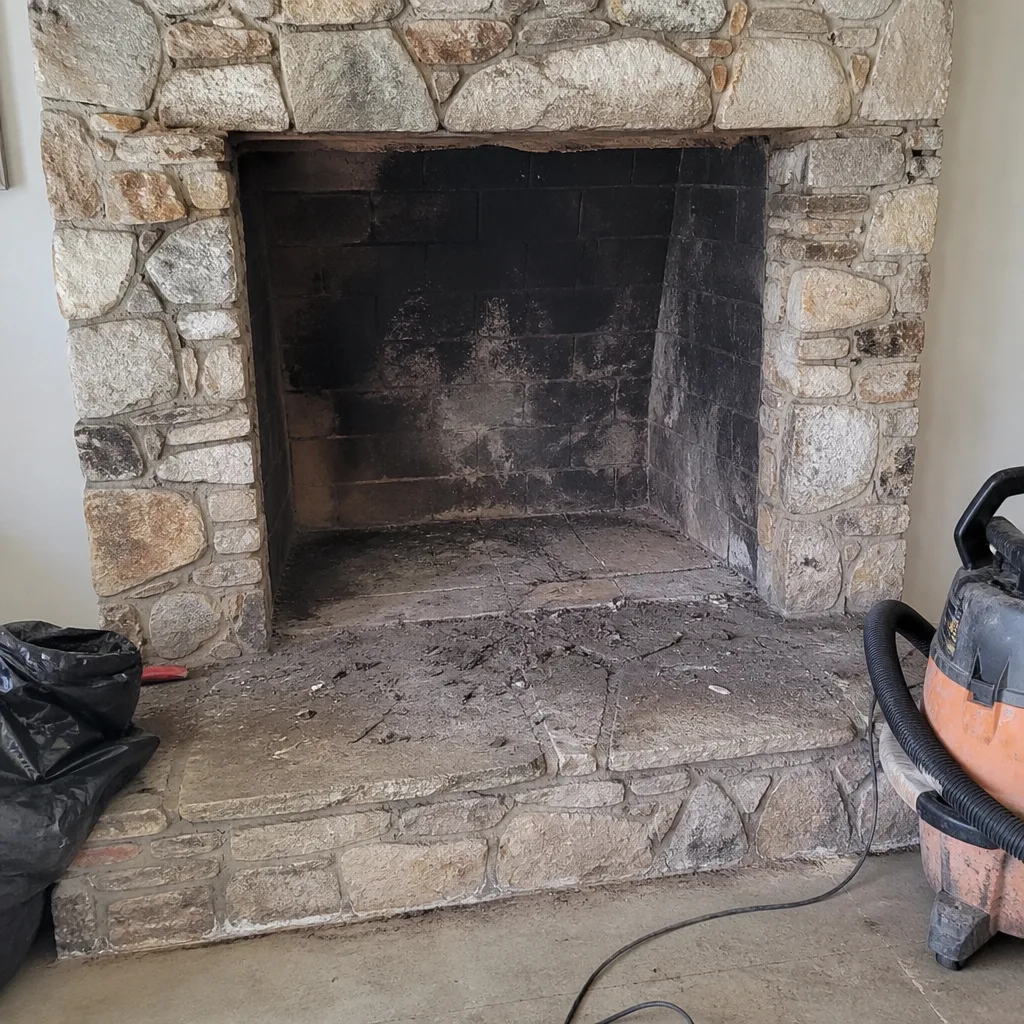
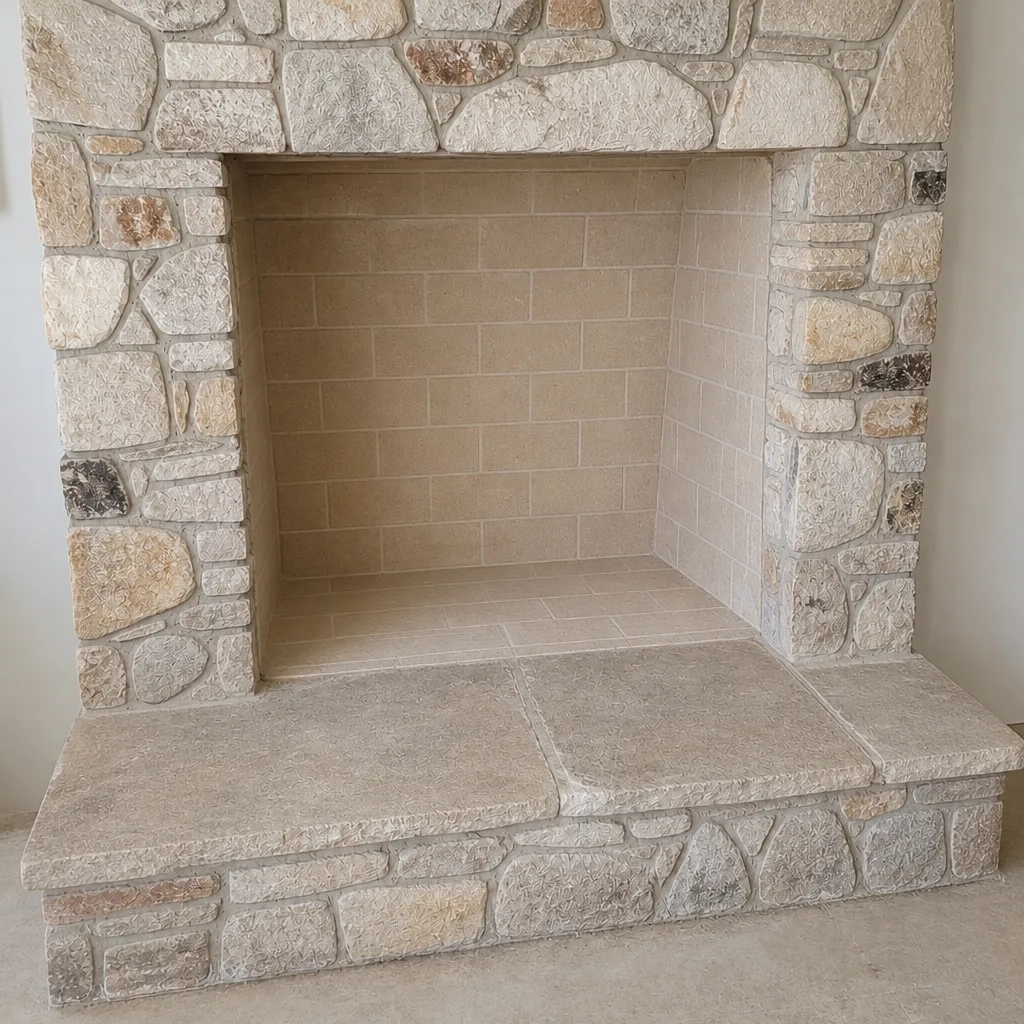
See the difference
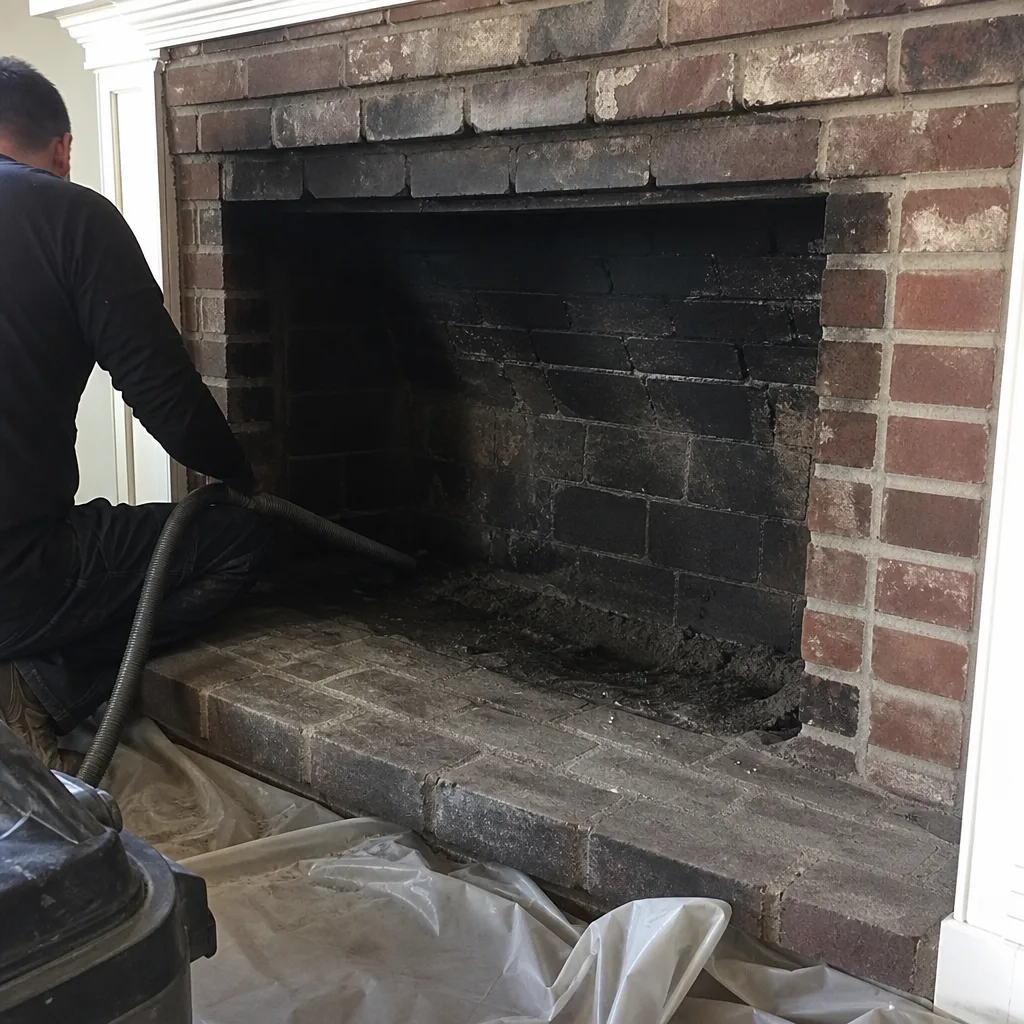 Before
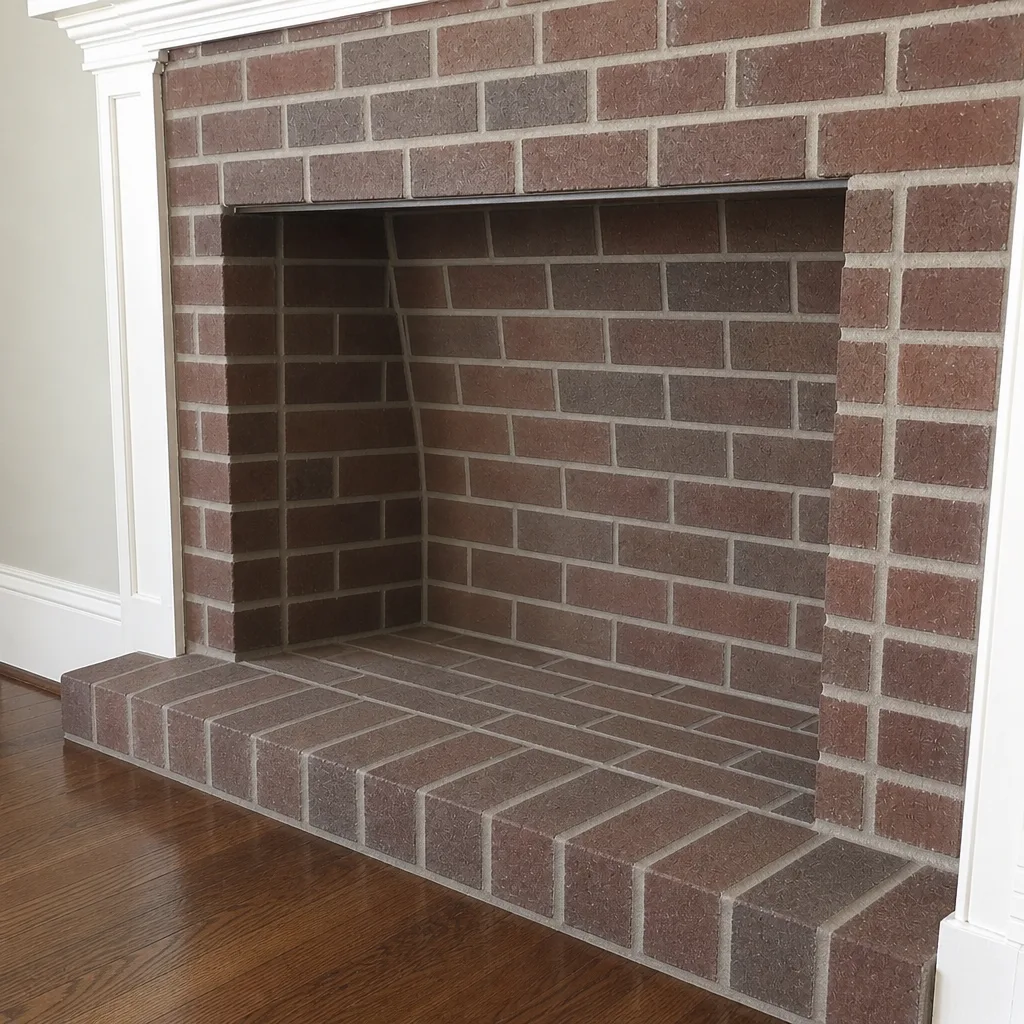 After
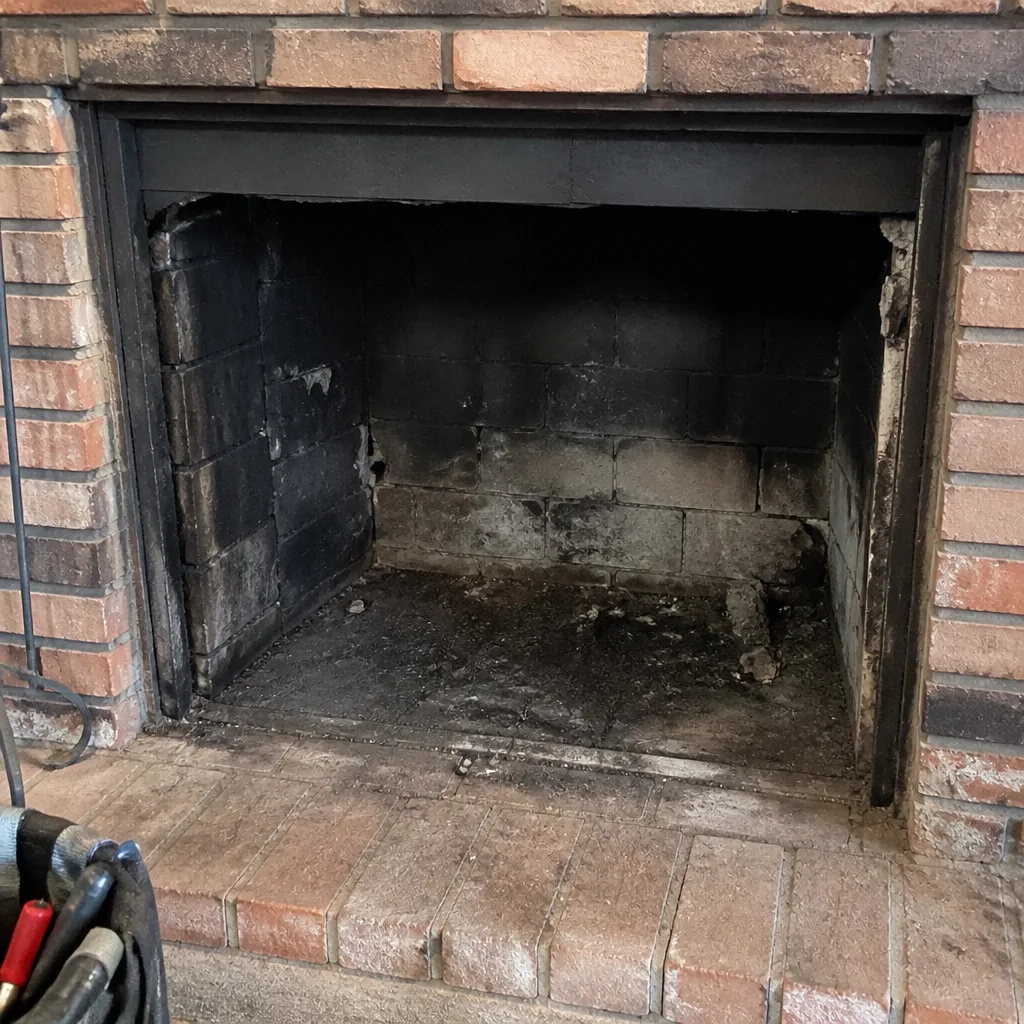 Before
 After
 Before
 After
Frequently Asked Questions
You can brush light, dry stage-1 soot out of a straight single-flue masonry chimney, but you can’t reliably inspect the liner, identify stage-2 or stage-3 creosote, or assess the smoke chamber without professional tools and training. Most West Hills homeowners are better served by an annual professional cleaning that includes inspection-level information. Call (855) 337-1817 for an exact quote; estimates are free.
Stage-2 creosote is crusty and tar-like; stage-3 is glazed and hard, like black glass. You can sometimes tell by looking at the flue walls with a flashlight from the firebox, but the reliable way to know is with a professional camera inspection that runs the full length of the liner. If you’re unsure, treat it as professional-only work. Call (855) 337-1817 to schedule an inspection.
At minimum, a correctly sized poly brush, matching rods, drop cloths, a HEPA shop vacuum, safety glasses, and a stable ladder setup. But the tools that actually change the diagnosis, a chimney camera and liner gauge, cost enough that most homeowners who try to replicate the whole setup spend more than they’d have spent on several years of professional cleanings. Call (855) 337-1817 for an exact quote; estimates are free.
West Hills sits against the Santa Monica Mountains with a long, dry fire season and mature tree cover, so a chimney fire here has a wider consequence than it would in a wetter climate. Embers can reach roofs and brush. The housing stock is also mixed, with a lot of prefab and older masonry chimneys that each have their own inspection needs. The cost of a missed defect is simply higher here. Call (855) 337-1817 for an inspection.
No. Occasional burning still deposits creosote, and creosote oxidizes, cracks, and settles over time even when the fireplace is idle. In our experience, chimneys that sit for years between cleanings often have more advanced problems than actively used ones. Annual inspection is the safer rhythm. Call (855) 337-1817 for an exact quote; estimates are free.
A professional cleaning includes the soot removal plus camera inspection of the liner, assessment of the smoke chamber and damper, and evaluation of the cap, crown, and flashing from the roof. The output is a condition report with photos. DIY removes the soot and leaves the diagnosis among the things you don’t get. Call (855) 337-1817 to schedule a visit that includes both.
It depends on the condition of the liner, which is exactly why a camera inspection matters. Mildly deteriorated flue liners can sometimes be restored with a professional resurfacing system like HeatShield, while more advanced damage may need a full reline with a flexible liner system such as DuraFlex. Nothing is recommended without camera evidence you can see for yourself. Call (855) 337-1817 for an exact quote; estimates are free.
Most wood-burning fireplaces should be swept and inspected annually, before the burn season starts. If you burn heavily, run a wood insert, or have a gas appliance venting through the chimney, that schedule tightens. If you can’t remember the last time yours was inspected, that’s your cue. Call (855) 337-1817 for an exact quote; estimates are free.
Key Takeaways
- DIY brushing on a straight single-flue masonry chimney with light, dry soot is a reasonable supplement to professional maintenance, but it’s not a replacement for inspection.
- The real distinction is the capability gap: a brush removes soot, and a camera plus training diagnoses the chimney.
- Stage-2 and stage-3 creosote, liner cracks, smoke chamber damage, and crown cracking are all beyond what a homeowner can reliably detect.
- West Hills’ wildfire proximity and long dry season raise the stakes of a missed defect compared with lower-risk regions.
- Any sign of glazing, smoke in the house, cracked firebrick, a gas appliance, a prior chimney fire, or uncertainty about what you’re looking at is a call to a professional.
- If you do clean your own flue, get an inspection afterwards so you know what you removed and what you didn’t.
The Bottom Line
The DIY chimney cleaning question is not really about saving money. It’s about what you can see and what you can’t. A homeowner can absolutely keep up with light soot on a simple straight flue, clean the firebox, clear debris off the cap, and take annual photos for comparison. That work is real and it helps. But the parts of a chimney that fail dangerously are the parts you can’t see without a camera, and that’s why a professional cleaning once a year is the better default in West Hills. A clean chimney is the starting point, not the finish line. Protect the flue, protect the home. If you’re ready to know what’s actually going on in your chimney, call us for a visit that includes a camera inspection with photos you can see for yourself.
Contact Us for a Free Estimate
Whether you want a straight answer on whether your chimney needs work or can safely wait, or you’re ready to book a cleaning with inspection, we’re here to help. Chimney Sweep West Hills handles the full lifecycle in one place: annual inspections, cleaning, chimney cap & crown work, and fireplace repair when it’s needed. We use the same materials chimney professionals specify, including HeatShield and DuraFlex, so the work is done right the first time. Call (855) 337-1817 for a free estimate. We answer 24/7. Fast dispatch from 7am to 7pm, Sunday through Friday. Diagnosed correctly the first time.
Written by the team at Chimney Sweep West Hills.