
Last updated November 22, 2026
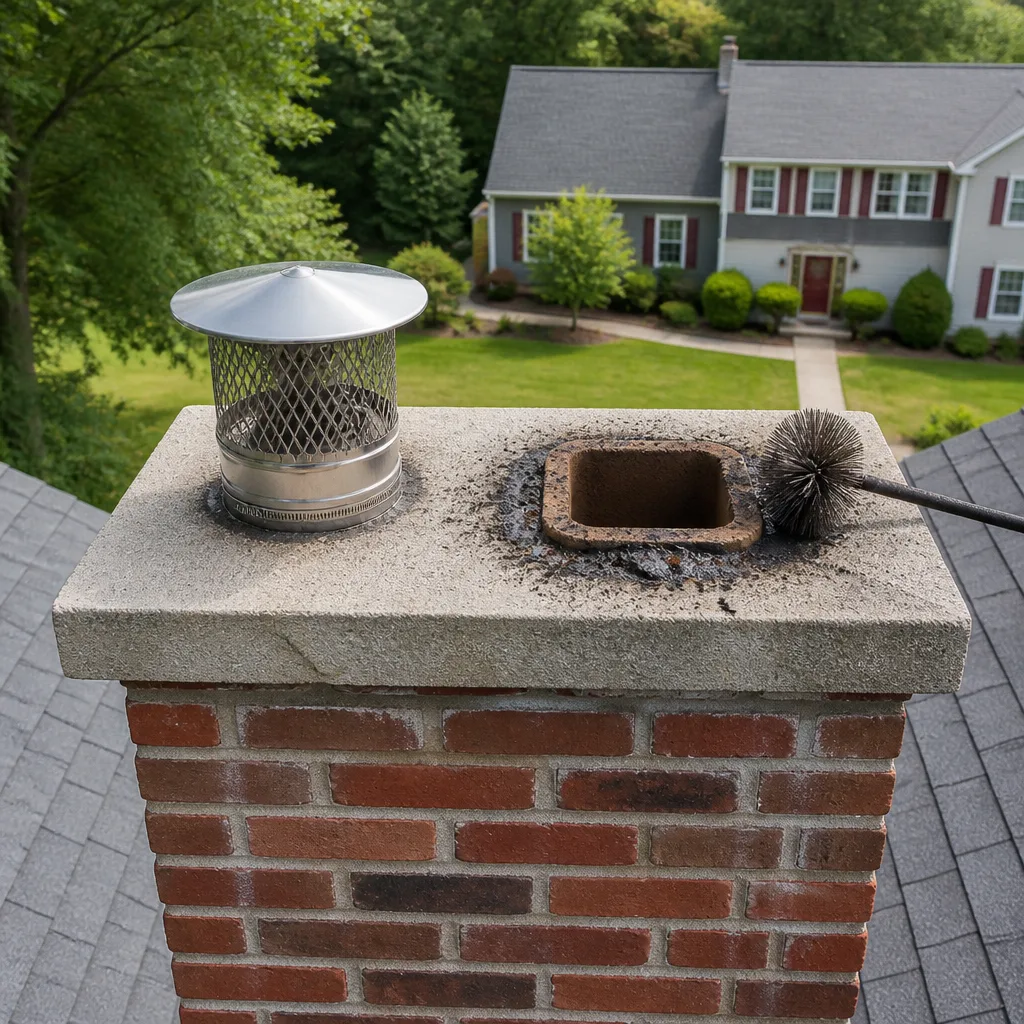 Sweep & inspection
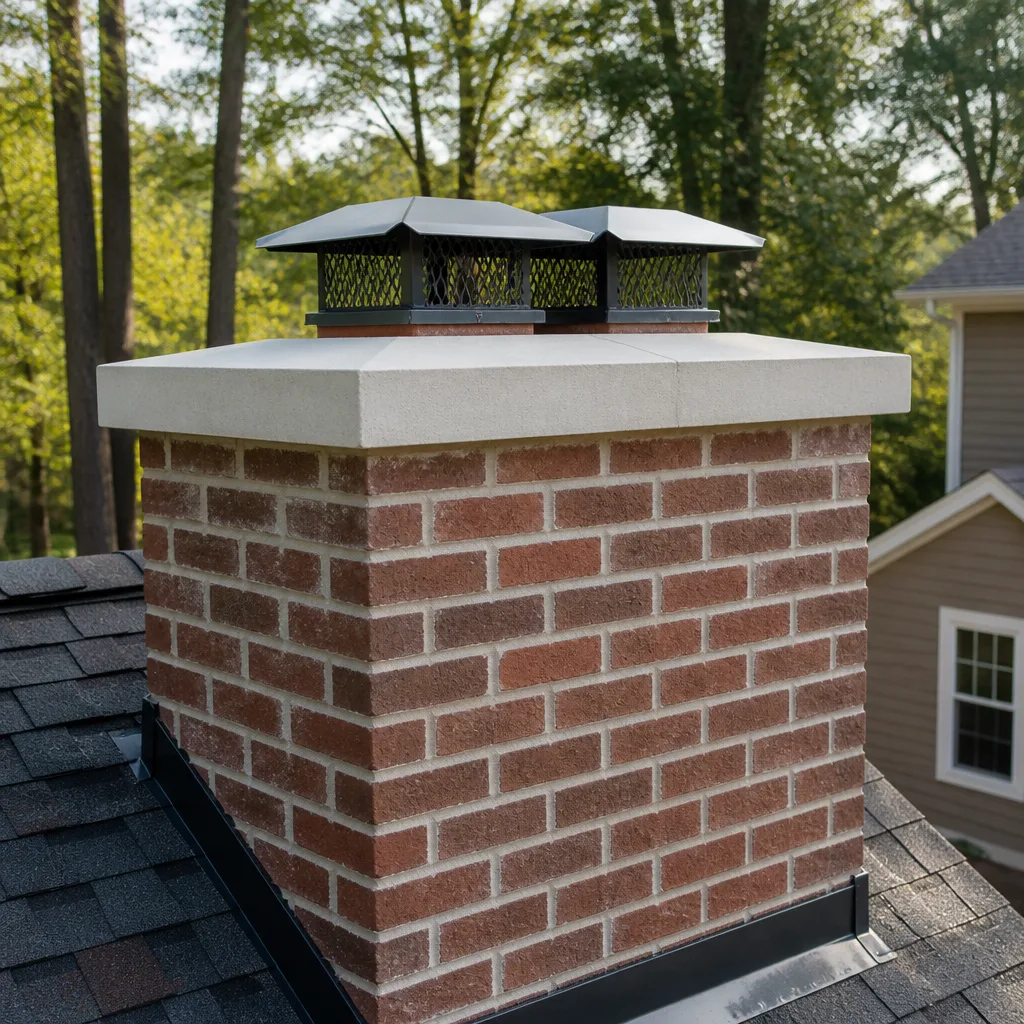 Caps & crowns
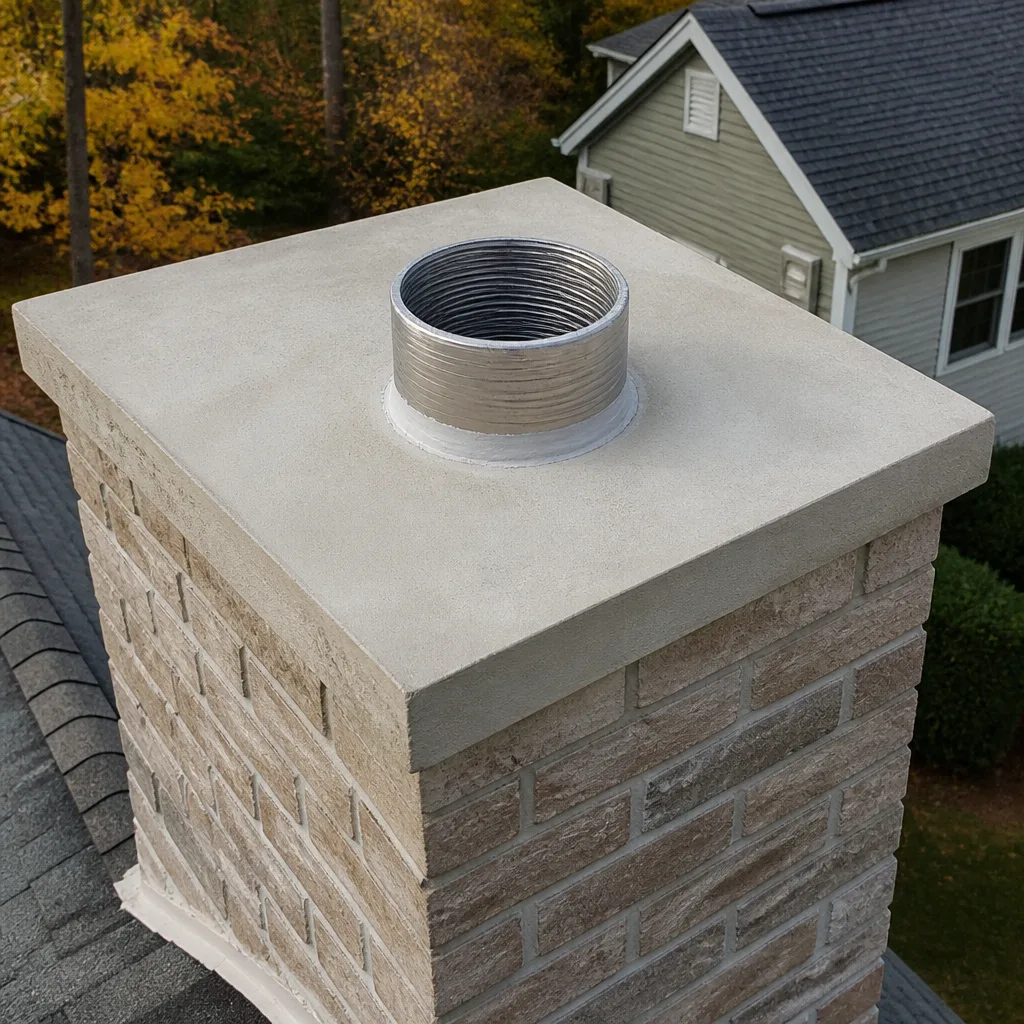 Flue relining
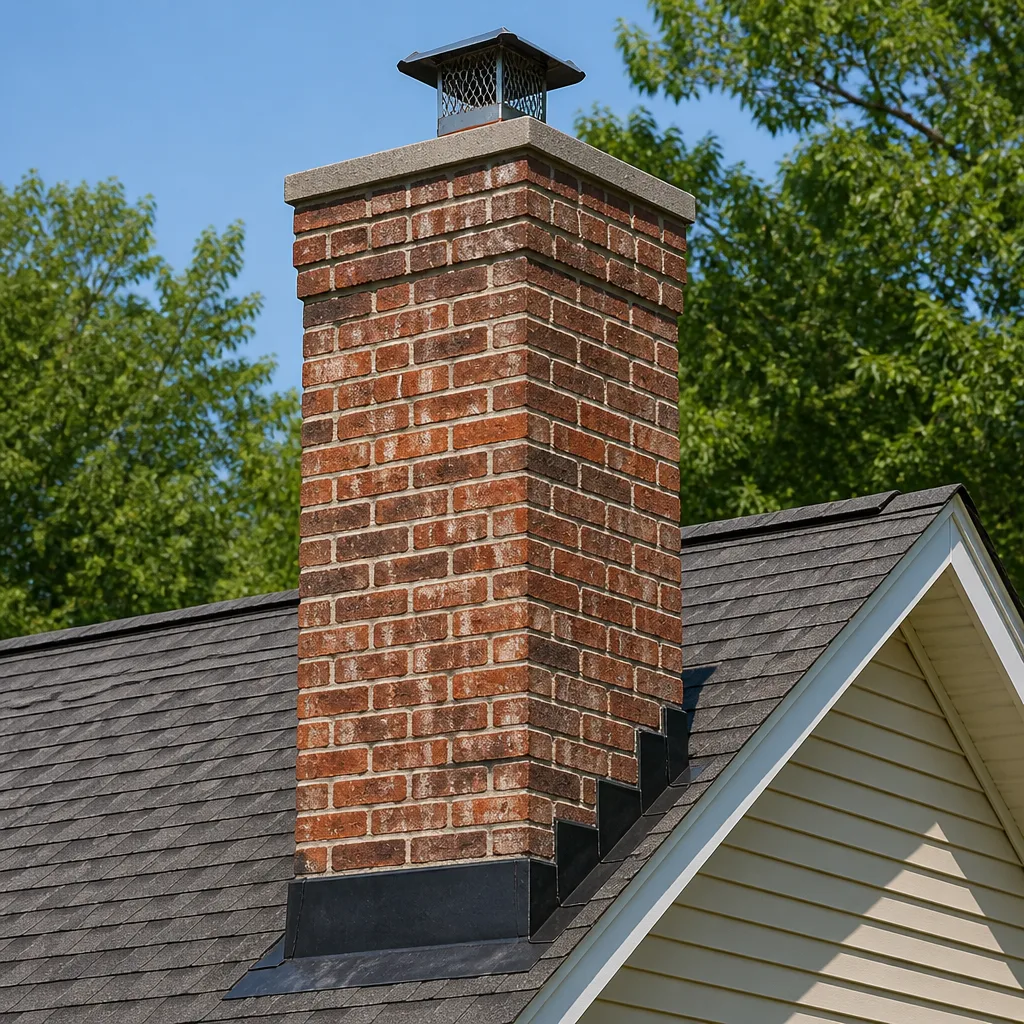 Masonry repair
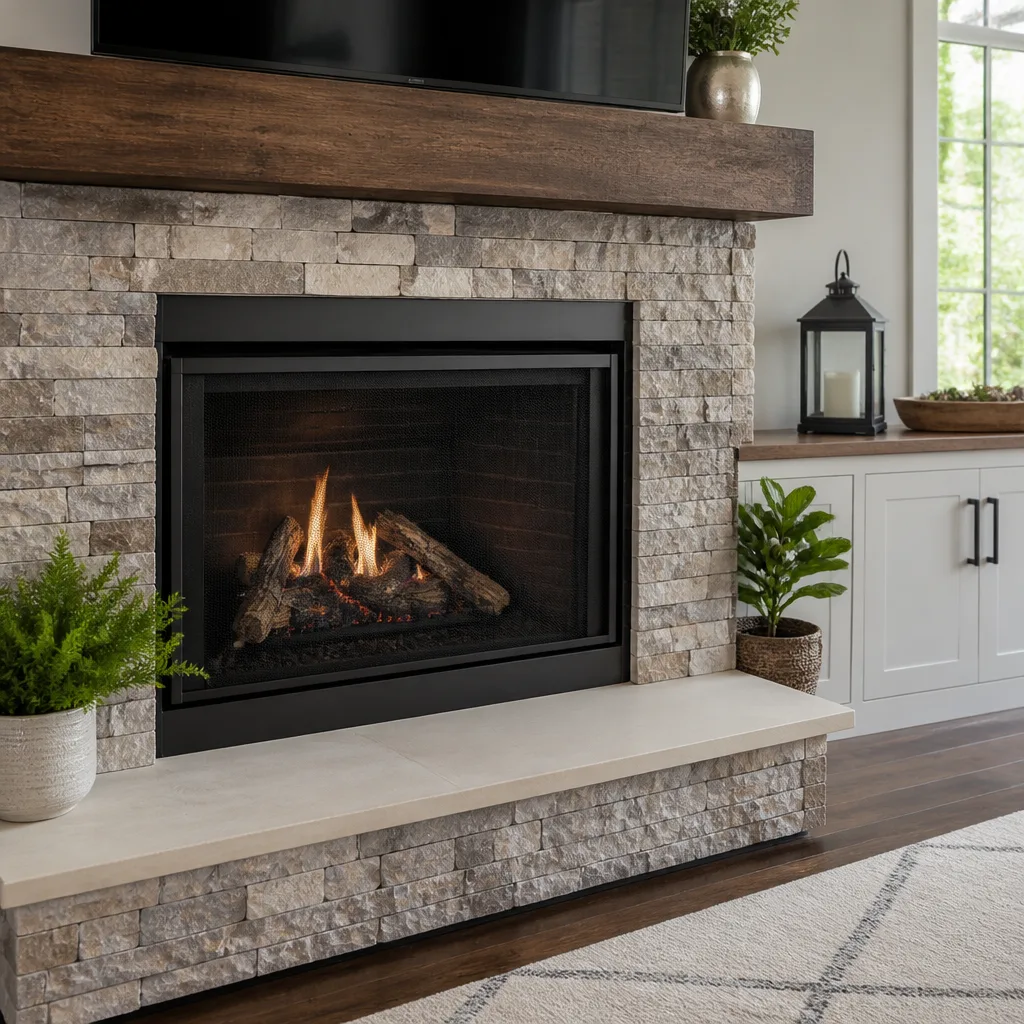 Gas fireplace service
Level 1 sweep and inspection to the NFPA 211 annual standard - flue, crown, cap, and flashing checked and photographed
Chimney sweep logs do not sweep chimneys. They loosen some creosote - which then falls where a brush and vacuum still have to collect it.
The Complete Guide to Chimney Cleaning in West Hills
Most chimney guides you’ll find online are written for the Northeast, where freeze-thaw cycles and heavy snow loads dominate the conversation. West Hills doesn’t work that way. Our winters are mild, our fireplaces often sit cold for months, and the real threats come from somewhere else entirely: dry Santa Ana winds driving embers across rooftops, eucalyptus and oak debris dropping into flues, and creosote that forms in a fireplace lit a dozen times a year just as stubbornly as one burning every night. This guide explains what chimney cleaning actually means in West Hills, what a real inspection covers, and how to read a cleaning report so you know whether the findings are routine or need attention.
Quick Answer
Chimney cleaning in West Hills means removing creosote, soot, and debris from the flue and firebox, then inspecting the full venting system for damage before the next fire season. Because our climate produces dry-season debris and intermittent-use creosote rather than heavy snow exposure, a proper West Hills cleaning should always include a cap and spark arrestor check alongside the sweep itself.
Styles & brands we work with
- Sweep & inspection
- Caps & crowns
- Flue relining
- Masonry repair
- Gas fireplace service
Table of Contents
- Why Chimney Cleaning Looks Different in West Hills
- How Creosote Forms When You Only Burn a Few Times a Year
- Ember Intrusion, Tree Debris, and Why Your Cap Matters
- Level 1, 2, and 3 Inspections: Which One Do You Need?
- What a Full-Service Specialist Checks That a Sweep-Only Visit Misses
- How to Read a Chimney Cleaning Report
- How Often Should a West Hills Chimney Be Cleaned?
- Common Mistakes to Avoid
- When to Call a Professional
- Frequently Asked Questions
- The Bottom Line
Why Chimney Cleaning Looks Different in West Hills
Chimney care advice is usually written for cold climates, and it doesn’t translate cleanly to the San Fernando Valley. In West Hills, the chimney faces a different set of pressures through the year, and understanding those pressures is what separates a routine sweep from a genuinely useful one.
Three local realities shape chimney behavior here:
- Dry fire-season winds. Santa Ana conditions pull moisture out of everything, including the debris that settles on and around your chimney cap. That debris becomes tinder. Embers carried on the wind can land on a roof or slip past a failing cap and into a flue that hasn’t been cleaned.
- Heavy tree canopy. West Hills properties are often shaded by eucalyptus and oak. Those trees drop leaves, twigs, seed pods, and bark year-round. Some of it lands on the roof. Some of it finds its way into an open flue or a cap that’s missing its screen.
- Mild winters and infrequent burning. A fireplace used ten to fifteen times a season never gets the sustained heat that keeps a flue dry and drafts strong. It also never gets cleaned by habit, because the fire rarely feels like it’s doing much.
None of that means a West Hills chimney needs more cleaning than a chimney in a colder climate. It means the cleaning is looking for different things. When we sweep a chimney in West Hills, the flue is one part of the job. The cap, the crown, the firebox joints, and the smoke chamber all get attention too, because those are the components most exposed to what this climate throws at them.
How Creosote Forms When You Only Burn a Few Times a Year
There’s a common assumption that a lightly used fireplace can’t build up dangerous creosote. That’s not how combustion works. Creosote forms when wood doesn’t burn completely, and incomplete combustion happens most reliably in fireplaces that get lit a few times a year with wood that isn’t fully seasoned.
Here’s the sequence, and it’s the same in West Hills as anywhere:
- Cool flue, weak draft. A cold chimney that hasn’t been used in months doesn’t pull air the way a warm, active one does. The first fires of the season burn cooler because the flue has to warm up before the draft is strong.
- Smoldering wood. Wood with high moisture content, or fires that get choked down to stretch a load, produce more smoke than heat. That smoke carries unburned tar and gases up the flue.
- Condensation on the flue walls. As the smoke cools against the flue liner, the tar and gases condense and stick. That’s the first layer of creosote.
- Repeated cycles stack the layers. Each fire adds to the previous layer. What starts as a soft, flaky deposit can harden into glazed stage-3 creosote, the kind that fuels a flue fire and is much harder to remove.
A fireplace used ten to fifteen times a season can build a meaningful creosote layer over a few years, especially in West Hills where the wood being burned is often whatever was on hand rather than properly dried hardwood. That’s one reason an annual inspection matters even for a fireplace that sees little use. We can’t tell you a chimney is safe because the fire is rarely lit. We can tell you once we’ve looked.
Ember Intrusion, Tree Debris, and Why Your Cap Matters
Between a sweep and a chimney cap & crown, the cap does quiet work that a lot of homeowners never think about until something goes wrong. In a place with dry winds and heavy tree canopy, the cap and its spark arrestor are doing two jobs at once: keeping debris out, and keeping embers in.
Here’s what a proper cap and spark arrestor check covers:
- Screen integrity. A screen with holes or rust-through lets birds, squirrels, and leaves into the flue. Once inside, they block the flue and create a fire hazard.
- Spark arrestor mesh size. The mesh needs to be fine enough to catch embers without clogging with soot. If it’s clogged, your draft suffers and smoke backs into the room.
- Cap attachment. Santa Ana winds are strong enough to loosen or lift a poorly anchored cap. A cap that shifts off the flue opening leaves you exposed to debris and rain.
- Crown condition. The crown is the masonry or concrete cap at the top of the chimney itself. Cracks in the crown let water in, and water in a chimney accelerates deterioration of the flue liner and masonry.
We install chimney caps and crowns at the time of service so that after a cleaning, your flue is protected rather than just swept. From annual sweep to full liner restoration, that’s how the work should sequence: clean it, inspect it, protect it. That order matters, because a cap installed over a dirty flue is a cap installed over a problem you haven’t seen yet.
Level 1, 2, and 3 Inspections: Which One Do You Need?
The chimney industry recognizes three inspection levels, and they serve different purposes. Knowing which one applies to your situation helps you ask the right questions before anyone arrives.
Level 1 Inspection
A Level 1 inspection covers the readily accessible portions of the chimney and venting system, without tools that require opening or dismantling anything. It’s the standard inspection done alongside a routine annual sweep, and it’s the right choice when your fireplace setup hasn’t changed and you’re not aware of any problem. A Level 1 inspection includes checking the firebox, damper, smoke chamber, flue from the top and bottom where accessible, and the cap.
Level 2 Inspection
A Level 2 inspection goes further and includes a video camera scan of the interior of the flue. It’s what we recommend any time there’s a change to the system or a reason to suspect hidden damage. That means: buying a home with a fireplace, changing the fuel type, relining the chimney, replacing the appliance, recovering from a chimney fire, or noticing a performance change. For most West Hills homeowners buying a house with an active fireplace, a Level 2 inspection is the right starting point before the first fire.
Level 3 Inspection
A Level 3 inspection involves accessing areas of the chimney that aren’t normally accessible, and it may require removing parts of the structure. It’s recommended when a Level 1 or Level 2 inspection found a serious problem that can’t be diagnosed without going further. It’s not common, and it’s not something to commission casually.
Which level you actually need depends on your situation, not on the calendar. A homeowner who’s owned the house for years and has an annual sweep is usually fine with a Level 1. A buyer who just closed on a West Hills property with a fireplace that hasn’t been serviced in years is a Level 2 case. When we quote an inspection, we explain which level we’re recommending and why.
What a Full-Service Specialist Checks That a Sweep-Only Visit Misses
A chimney sweep who only sweeps removes creosote and leaves. That’s a legitimate service, but it’s not a full evaluation of a venting system. The chimney is one assembly, and its components interact. A cleaning that stops at the flue can miss problems that affect how the whole system performs.
When we clean a chimney in West Hills, the walkthrough includes:
- Liner condition. The flue liner channels exhaust and protects the surrounding masonry from heat and corrosive byproducts. Cracks, gaps, and spalling mean the liner isn’t doing its job. A camera scan shows what a visual check cannot.
- Smoke chamber parging. The smoke chamber sits between the firebox and the flue, and its sloped surfaces need to be smooth so smoke moves up cleanly. Rough or missing parging causes turbulence, poor draft, and creosote accumulation. We can parge a smoke chamber with a HeatShield resurfacing system when it needs it.
- Firebox joint integrity. The firebox takes the direct heat. Mortar joints that have cracked or eroded let heat reach masonry that isn’t rated for it. If the firebox needs repair, that’s fireplace repair territory, and it’s better addressed before a fire than after.
- Damper operation. A damper that doesn’t open fully or seal properly affects draft on every fire you light.
- Liner restoration options. If the liner is deteriorating but the chimney structure is sound, HeatShield is an option worth discussing. It’s an EPA-listed, CSIA-recognized resurfacing system that restores a damaged flue without the demolition of a full reline. Where a full reline is needed instead, we install DuraFlex flexible liner systems, which handle the complex runs that a rigid liner can’t.
- Crown, cap, and flashings. Water is the top cause of chimney deterioration, and the top of the chimney is where water gets in.
That’s the full-lifecycle view. Inspection, cleaning, cap and crown work, liner repair, and structural chimney repair under one company means no handoff to a separate contractor mid-project, and no gap where one trade assumes another is covering the detail.
How to Read a Chimney Cleaning Report
A cleaning report is more than a receipt. Read well, it tells you what was found, what was fixed, and what needs attention later. Here’s how to work through one.
- Start with what was cleaned. The report should say the flue was swept, the firebox cleaned, and the smoke chamber cleared. Note the approximate amount of creosote removed and its stage if the report specifies it.
- Check the inspection findings separately. Cleaning and inspection are two different tasks. The report should distinguish what was observed from what was cleaned.
- Look for anything marked “recommend” or “monitor.” Routine findings (minor creosote on the smoke chamber, a slightly worn cap screen) go in the “monitor” bucket. Anything flagged for repair should come with a photo or camera report so you can see the evidence, not just take someone’s word for it.
- Confirm what, if anything, was addressed during the visit. Cap work, crown repair, and minor fireplace repair can often be done at the same appointment. If the report says something was fixed, it should say what and where.
- Read the recommendation for the next service. A report that says “come back in twelve months” for a chimney with a clean flue and intact liner is a normal report. A report that says “come back in a few months” for a chimney that’s never been serviced is telling you something about the condition it found.
If a report is heavy on repair recommendations and light on evidence, ask to see the camera inspection stills. You shouldn’t have to spend thousands of dollars on a liner or masonry repair you can’t verify. A reputable specialist will show you what they saw. Some findings genuinely can wait; others shouldn’t. A good report tells you which is which.
How Often Should a West Hills Chimney Be Cleaned?
The short answer: at least once a year if you burn at all, and more often if you burn heavily or have reason to suspect buildup. The general industry guidance is straightforward, and it applies in West Hills just as it does anywhere, even though the local use pattern is different.
A practical schedule for most West Hills homeowners:
- Annual inspection. Once a year regardless of how often you burn. The inspection is about the venting system, not just the flue interior.
- Sweep once a year if you burn at least a few fires a season. Even ten fires produces creosote buildup, and the buildup carries over year to year if it’s never cleaned.
- Sweep more often if you burn regularly through the winter, burn wood that isn’t well dried, or notice draft problems during use.
- Sweep before the fire season. The fires that catch a chimney off guard happen in the first weeks of use, when the flue has been sitting cold and unused for months. Booking a sweep before the season starts is the practical move.
- Check the cap and crown every visit. Our fire season puts the top of the chimney under real stress. Even a chimney that hasn’t been used since the last sweep can have debris on top of it.
If you’re new to a home with a fireplace and don’t know its service history, treat that as an unknown. A Level 2 inspection is the right starting point, and it will answer the question of how often the chimney actually needs attention going forward.
Common Mistakes to Avoid
- Assuming a rarely used fireplace doesn’t need cleaning. Creosote doesn’t form in direct proportion to how often you light a fire. Incomplete combustion from a cold flue and unseasoned wood produces buildup just as reliably.
- Skipping the cap check. A cleaning that stops at the flue leaves the top of the chimney exposed to West Hills’ wind, tree debris, and ember intrusion. Every sweep should include a cap and spark arrestor inspection.
- Reaching for the liner before the evidence. Liner replacement is a significant expense, and the decision should be backed by a camera inspection you can see. Ask for the footage.
- Confusing a Level 1 inspection with a full assessment. A Level 1 inspection is routine. It’s not the right choice for a newly purchased home or a fireplace with unknown service history.
- Burning unseasoned wood to stretch a load. Wet wood burns cooler and produces more smoke. That’s the creosote recipe, regardless of how few fires you light.
- Putting off a repair the report flagged. A cracked firebox joint or a failing crown doesn’t fix itself, and the longer water and heat work on it, the more expensive it becomes.
- Letting one trade handle only one part of the job. A sweep-only visit that doesn’t evaluate the liner, smoke chamber, and firebox is leaving the most consequential parts of the system unchecked.
When to Call a Professional
Some chimney work can wait for a regular appointment. Some can’t. Call a professional if you’ve had a chimney fire, even a small one that seemed to put itself out. Call if you’ve noticed draft problems (smoke backing into the room), a strong creosote smell that doesn’t fade, water stains on the firebox or chimney masonry, or visible damage to a cap or crown. Call if you’re buying a home with a fireplace and don’t know when it was last serviced. And call if your last inspection flagged a repair and you haven’t had it addressed.
Chimney Sweep West Hills offers free estimates in West Hills. Call (855) 337-1817. We answer 24/7. Fast dispatch from 7am to 7pm, Sunday through Friday. If you need a chimney sweep, an inspection, or a second opinion on a report that recommended expensive work, we’ll walk you through what we see.
Frequently Asked Questions
A standard chimney cleaning in West Hills typically falls in a moderate range that depends on the chimney’s condition, access, and whether an inspection is included. The written estimate sets the final price, and we provide it before any work begins. Call (855) 337-1817 for an exact quote. Estimates are free.
Not automatically. A liner only needs replacing if a camera inspection shows cracking, spalling, gaps, or a deteriorated flue that can’t vent safely. In some cases HeatShield liner restoration can resurface a damaged flue without full replacement. If a liner is recommended, ask to see the camera footage. You should be able to verify the finding yourself. Call (855) 337-1817 to schedule an inspection.
Once a year if you burn at all, and more often if you burn heavily or use unseasoned wood. Even a fireplace used ten to fifteen times a season builds creosote that carries over year to year. An annual inspection and sweep before the fire season is the practical schedule. Call (855) 337-1817 to book yours.
Creosote accumulates, draft weakens, and the flue becomes a fire hazard that could result in a chimney fire, and in the worst case, carbon monoxide backing into the home. Small problems like a failing crown or a cracked firebox joint also go unnoticed until they’ve done more damage. There’s no shortcut here. Call (855) 337-1817 and we’ll tell you what your chimney actually needs.
Yes. Inspection covers the whole venting system, not just the flue interior. Caps, crowns, liners, and firebox joints can deteriorate from weather and time independent of how often the fireplace is lit. In West Hills, the dry winds and tree canopy accelerate that wear on the top of the chimney. Call (855) 337-1817 for a free estimate.
A sweep cleans the flue. A full-service specialist cleans the flue and also evaluates the liner, smoke chamber, firebox, cap, and crown, then handles repairs from liner restoration to structural masonry. We offer Chimney Sweep West Hills as a full-lifecycle provider so the diagnosis and repair stay with one company. Call (855) 337-1817 to talk through what your chimney needs.
The Bottom Line
Chimney cleaning in West Hills is not the Northeast routine transplanted to a milder climate. It’s a different job with a different focus: creosote from infrequent, low-burn fires; debris and ember intrusion from the local tree canopy and Santa Ana winds; and cap, crown, and liner wear that our dry, hot fire season stresses more than a cold climate would. The right approach is an annual sweep plus an inspection that actually looks at the full venting system, with cap and crown protection included as part of the service. If a report calls for repair, ask to see the evidence. A specialist will show you. Our technicians have up to 9 years of experience, and we use the same materials chimney professionals specify, from DuraFlex and HeatShield to Olympia Chimney and Gelco.
Contact
Ready to schedule a cleaning or inspection, or want a second opinion on a report? Call Chimney Sweep West Hills at (855) 337-1817 for a free estimate. We answer 24/7. Fast dispatch from 7am to 7pm, Sunday through Friday, closed Saturday. From routine sweeps to full liner restoration, we handle the diagnosis through the repair so you’re not juggling contractors. A clean chimney is the starting point, not the finish line.
Written by the team at Chimney Sweep West Hills.
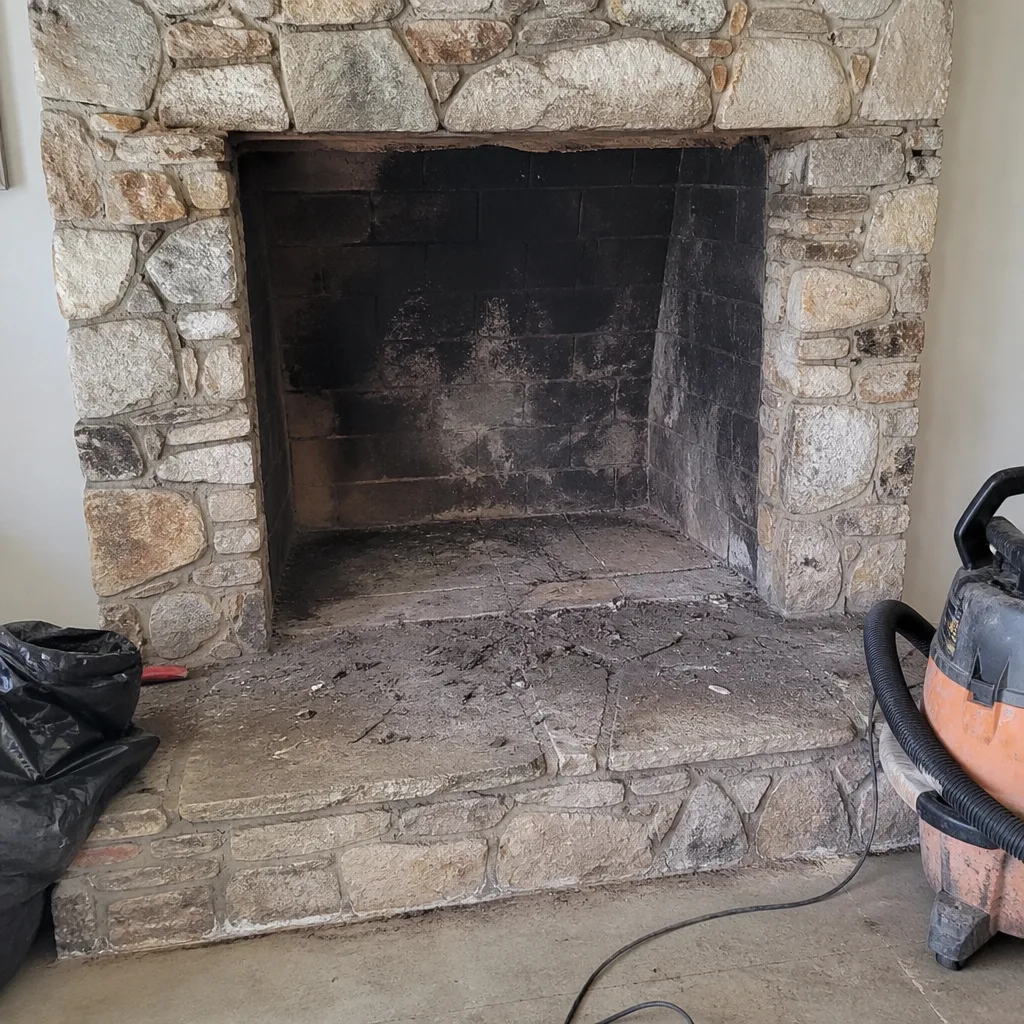
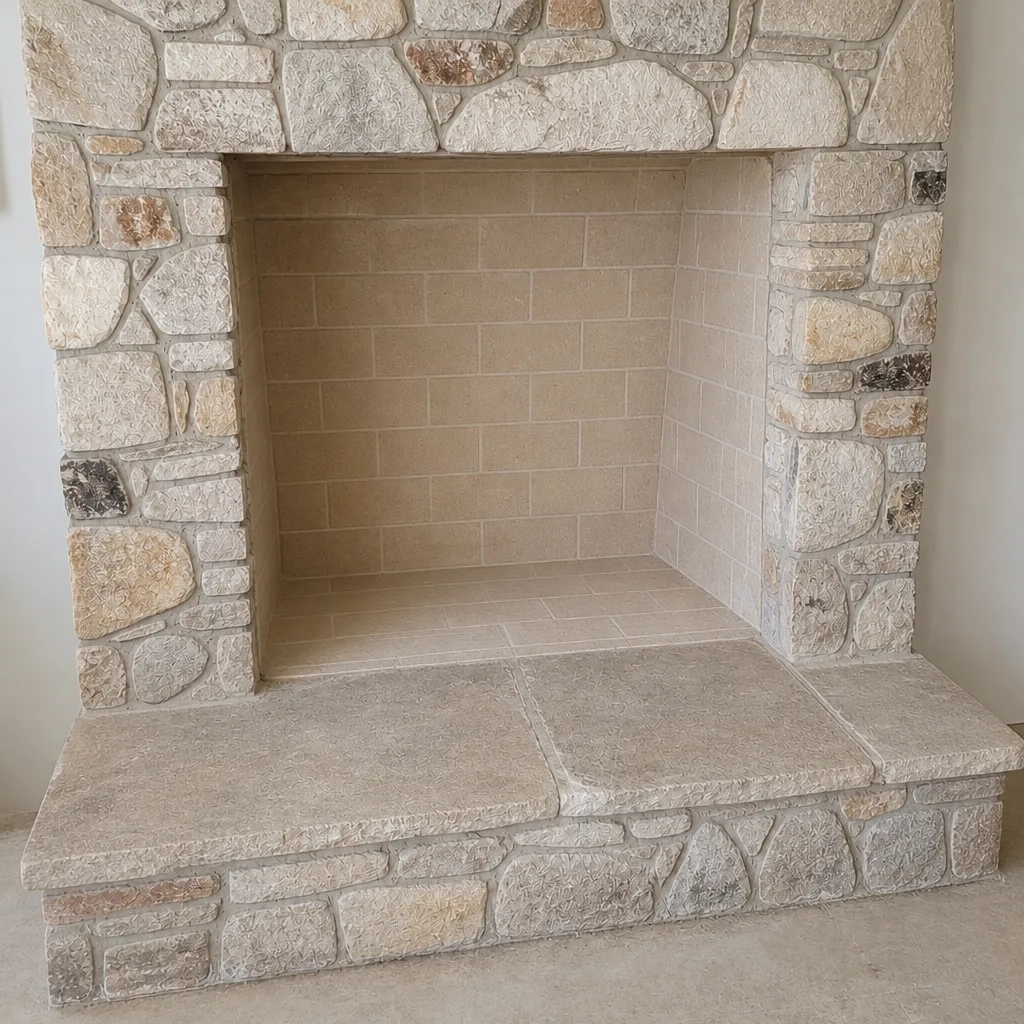
See the difference
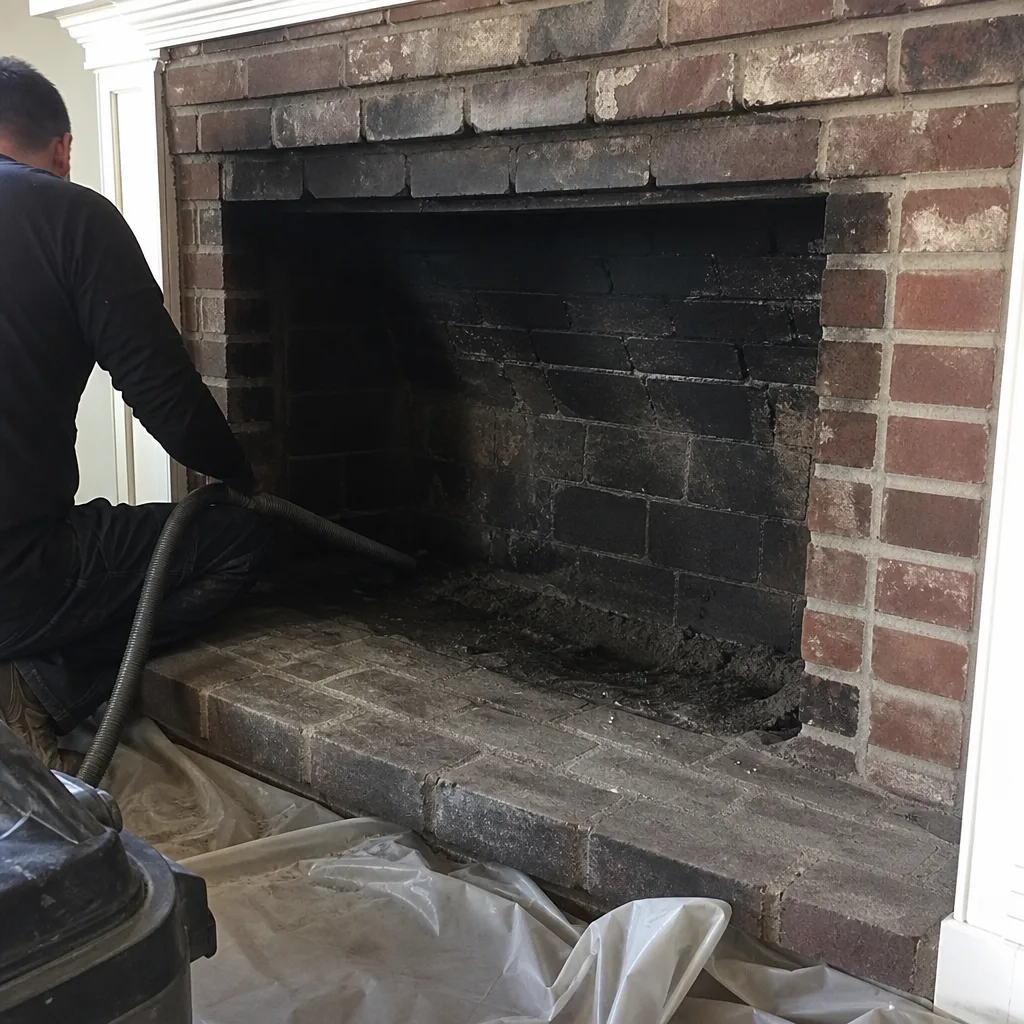 Before
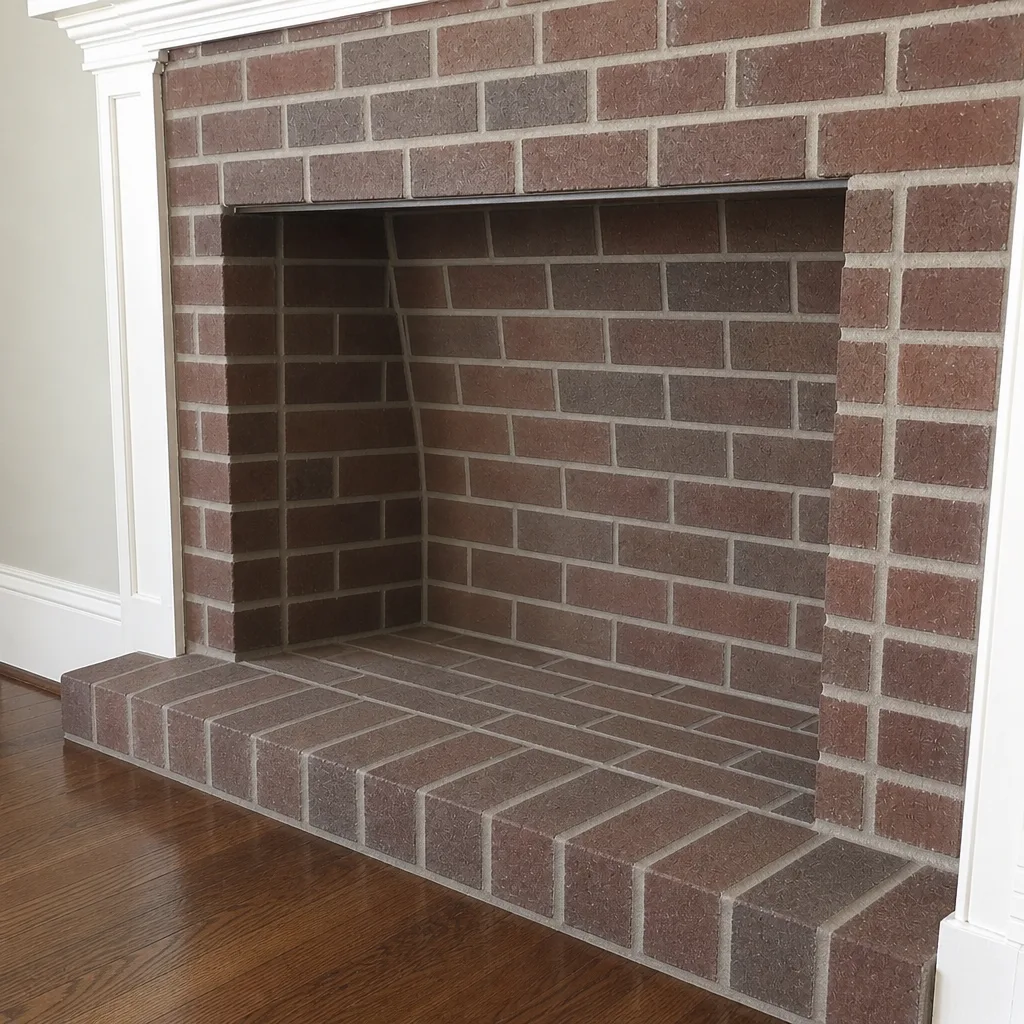 After
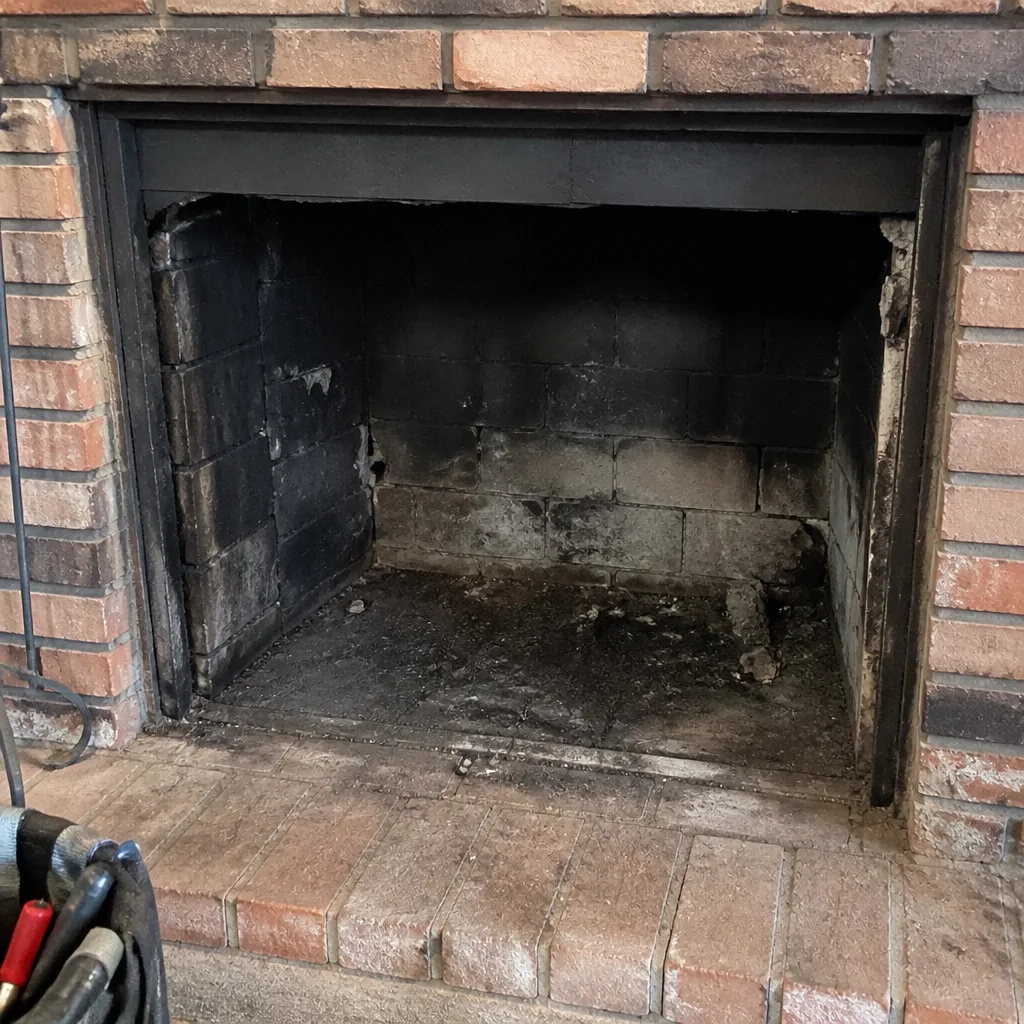 Before
 After
 Before
 After