
Last updated November 22, 2026
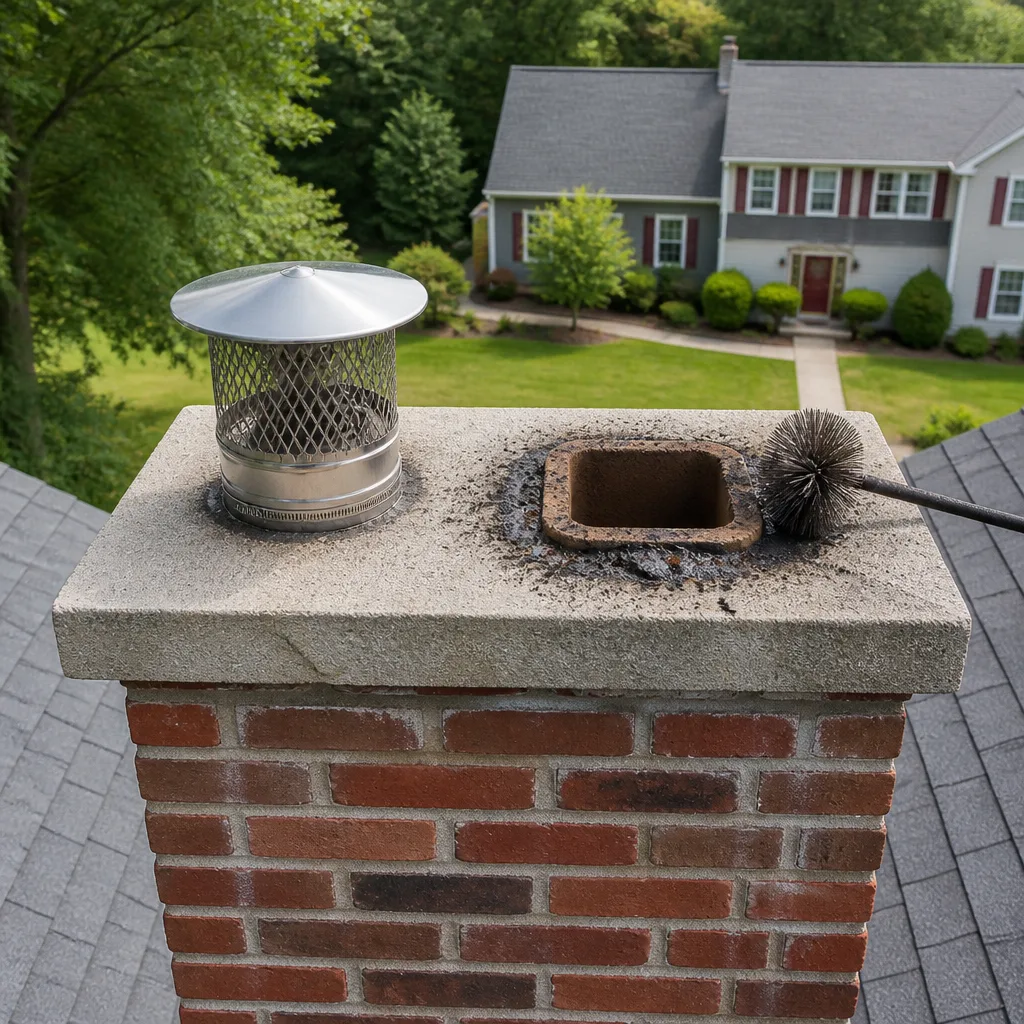 Sweep & inspection
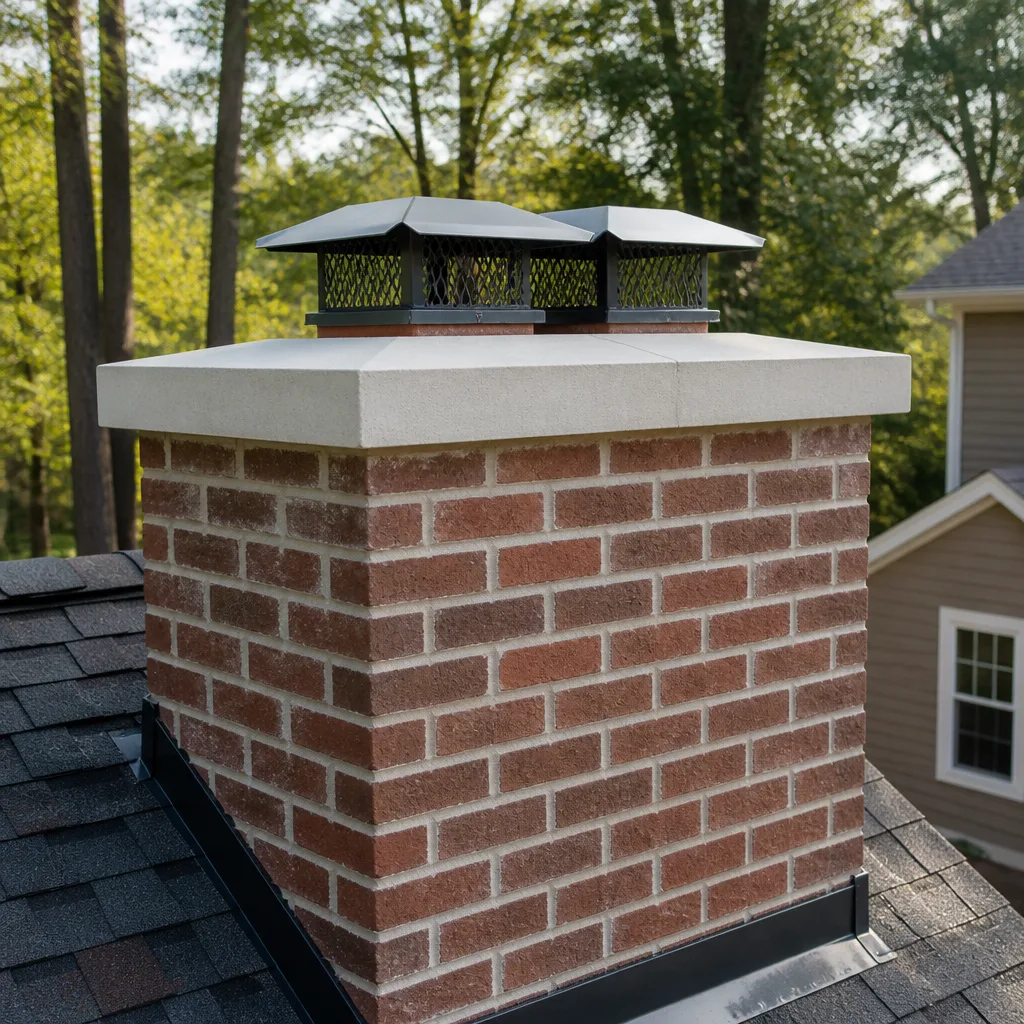 Caps & crowns
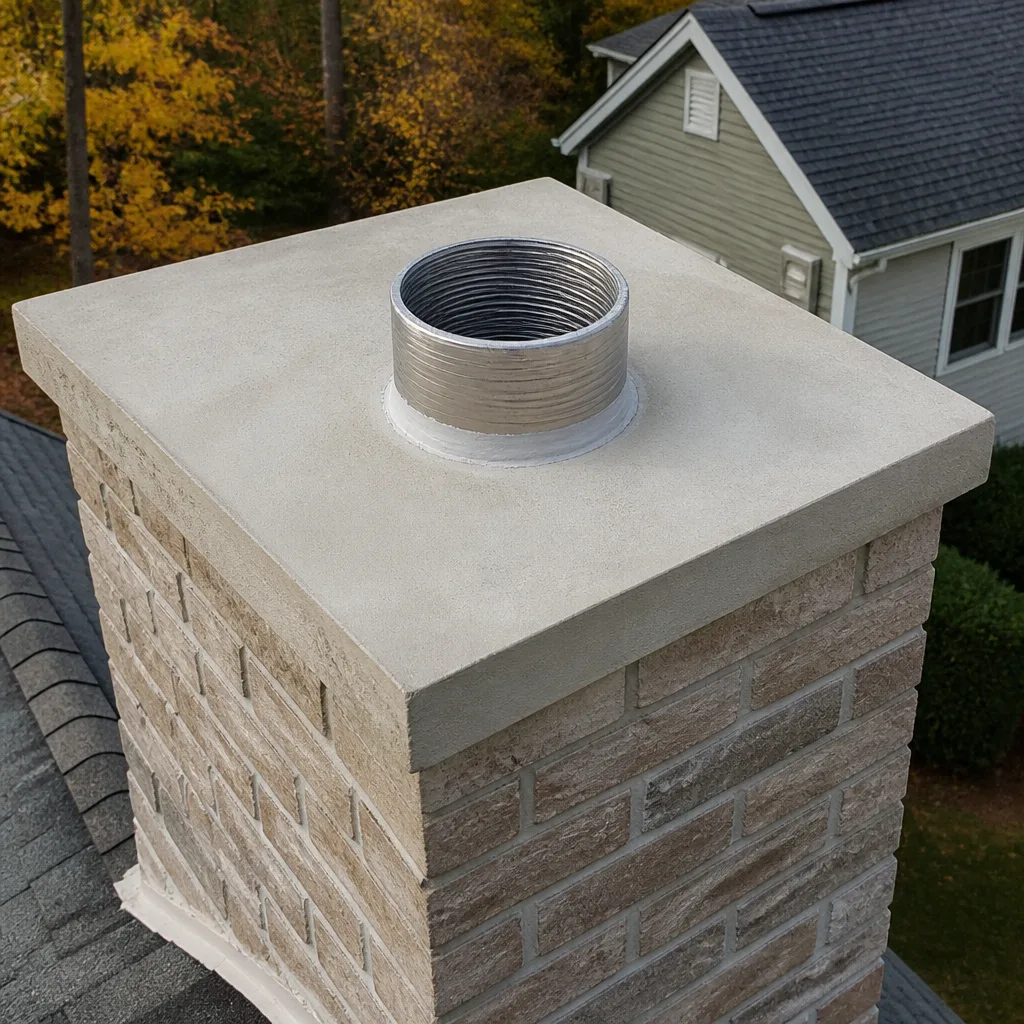 Flue relining
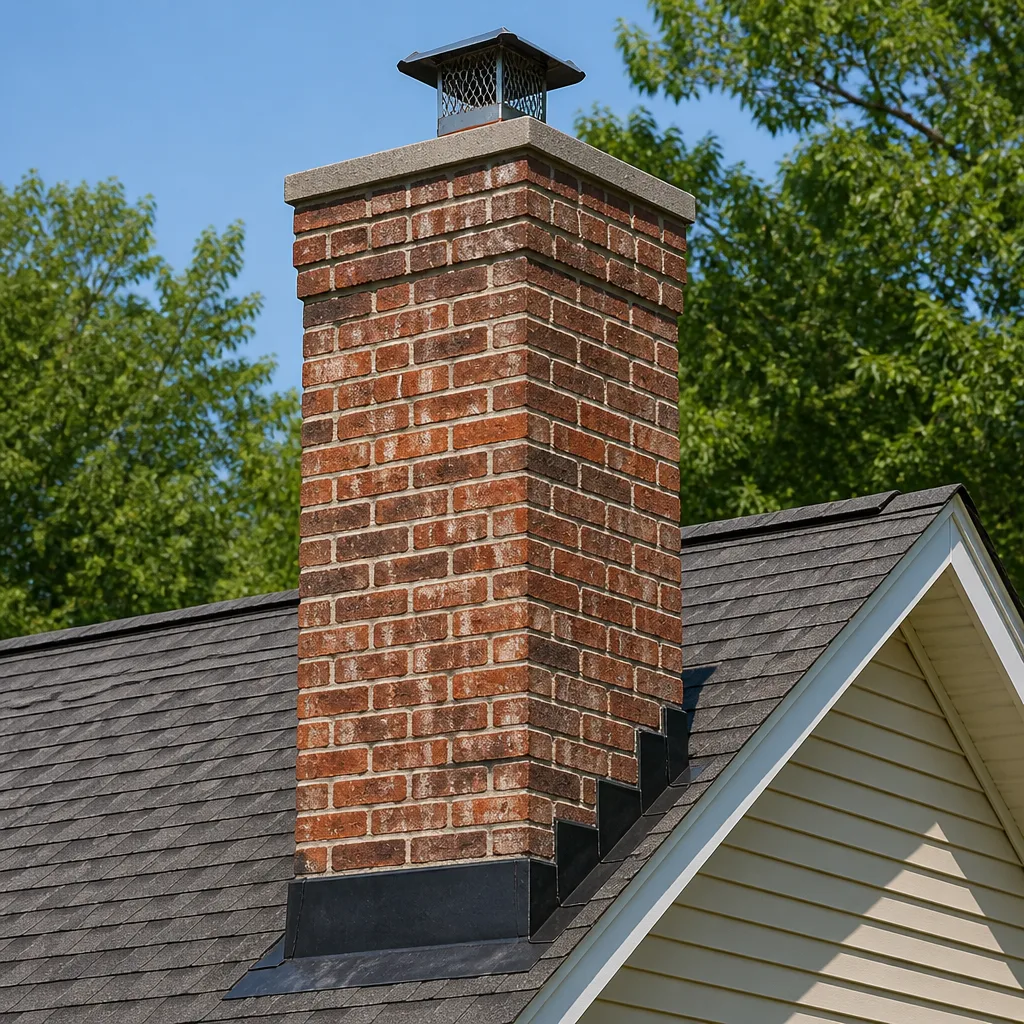 Masonry repair
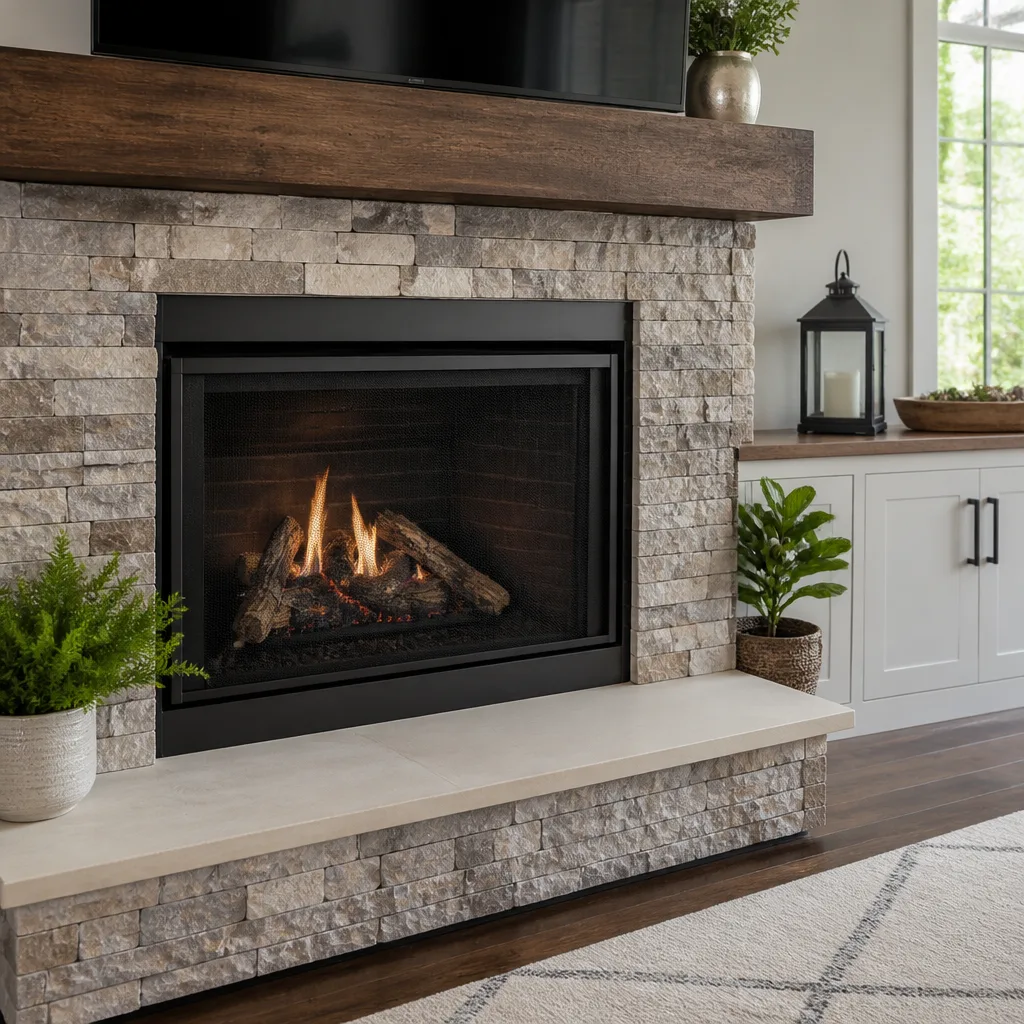 Gas fireplace service
Level 1 sweep and inspection to the NFPA 211 annual standard - flue, crown, cap, and flashing checked and photographed
Chimney sweep logs do not sweep chimneys. They loosen some creosote - which then falls where a brush and vacuum still have to collect it.
Choosing the Right Chimney Cleaning Brand: A Buyer’s Guide for West Hills
Two companies can both tell you they install chimney liners. One uses a UL-listed stainless system from a manufacturer the trade knows by name; the other uses a generic flex liner with no traceable listing. On the day of install, the invoices look similar. Three years later, in West Hills heat cycles, the difference starts to show: buckled seams, cracked wash coats, a flue that no longer vents the way it should. The brand question in chimney work isn’t about the name on the truck. It’s about which materials actually go into your chimney, and whether the company can show you the documentation to prove it. This guide walks you through how to ask, what answers to expect, and how to verify the work after the fact.
Quick Answer
The “right” chimney cleaning brand in West Hills isn’t the biggest franchise or the cheapest sweep. It’s the company that uses professional-grade, UL-listed materials (DuraFlex liners, HeatShield flue resurfacing, Copperfield or Gelco crown sealants), documents every product installed in a written report, and handles inspection through repair under one roof. Ask what materials go in, ask for the listing, and ask what happens if something fails. Those three answers tell you more than any marketing page.
Styles & brands we work with
- Sweep & inspection
- Caps & crowns
- Flue relining
- Masonry repair
- Gas fireplace service
Table of Contents
- Why “Brand” in Chimney Work Means Materials, Not Just Company Name
- What to Ask a Contractor About Materials (And How to Read the Answer)
- The Southern California Durability Test: What Holds Up in West Hills Heat
- Franchise vs. Independent Specialist: What Each Model Means for Your Chimney
- How to Verify the Products Installed in Your Chimney Match What Was Quoted
- Liner Restoration vs. Full Replacement: When Each Makes Sense
- Cap and Crown: The Brand Choices That Determine Water Protection
- Brush Material, Method, and Why It Matters for Liner Longevity
Why “Brand” in Chimney Work Means Materials, Not Just Company Name
When homeowners search for the best chimney cleaning company brands in West Hills, they usually mean one of two things: a recognizable franchise name, or a company with strong reviews. Neither tells you what goes into your flue. The materials a chimney professional specifies are the actual product your home lives with for the next twenty years, and those materials are what “brand” should mean in this trade.
Here’s the gap most companies don’t discuss. A sweep can look identical to another sweep on the day of service: same brushes, same vacuum, same soot bag. But when a liner needs restoring, or a crown needs recoating, or a smoke chamber needs parging, the materials diverge sharply. One contractor reaches for HeatShield resurfacing compound with a documented listing; another mixes a generic refractory mortar on site. One installs a DuraFlex flexible liner sized to the flue; another uses an imported flex liner with no traceability. The work looks the same on the invoice. The outcome in five years doesn’t.
For West Hills homeowners with active wood-burning fireplaces, this matters more than most places because the firebox gets used hard in the cool months and sits dormant through long, hot, dry stretches. Materials that can’t handle that cycle fail faster than they would in a climate with milder summers. So when we talk about brand, we’re really talking about the product lines that chimney professionals specify: Chimney Sweep West Hills works with DuraFlex, HeatShield, Gelco, Olympia Chimney, Famco, and Copperfield because those are the materials the industry trusts for liner work, crown coating, and smoke chamber repair.
Practical takeaway: when you evaluate a chimney company, ask what manufacturer’s products they use for liners, crowns, and smoke chamber repair. If the answer is vague (“we use the best products available”), that’s a signal. If the answer names specific products and can explain why one is chosen over another for your flue type, you’re talking to someone who understands the work at the material level.
What to Ask a Contractor About Materials (And How to Read the Answer)
The right questions cut through marketing in about ninety seconds. You don’t need to be a chimney expert to evaluate an answer; you just need to know which specifics to listen for. Here’s a proven sequence used by homeowners across West Hills to separate serious specialists from sweep-only operations.
- “What liner system do you install, and is it UL-listed?” A serious answer names a manufacturer (DuraFlex, Olympia Chimney) and references the UL listing. A weak answer says “stainless steel flex liner” and stops there. UL listing means the product has been tested to a safety standard; without it, you’re relying on the installer’s word.
- “What gauge thickness are you using, and why?” Liner gauge ranges from light to heavy. A contractor should be able to explain the gauge choice for your flue size, fuel type, and venting demands. If they can’t, they’re installing by habit, not by spec.
- “What sealant do you use for the crown?” Look for a named product (Gelco, Copperfield, or a comparable crown coat). Generic mortar can crack within a season in Southern California sun; a flexible crown sealant is built for movement and UV.
- “Will you document the materials used in the written report?” A simple yes or no. A reputable contractor will name the products on paper without hesitation. If they resist, that’s information.
- “What brush material do you use, and does it match my liner type?” Poly brushes for stainless liners, wire for clay tile. Mismatches abrade the flue over time. A trained sweep will know what’s in your chimney and use the right brush.
- “If this fails, who handles it?” The answer should be the same company, not a third party. Anyone who hands off installation to a subcontractor leaves you chasing two parties if something goes wrong.
Ask these in a single call. You’ll learn more in five minutes than in an hour of reading reviews. When we walk a West Hills homeowner through chimney sweep service, we expect these questions and answer them directly. That’s the standard the trade should hold itself to.
The Southern California Durability Test: What Holds Up in West Hills Heat
West Hills has a specific weather profile that punishes the wrong materials faster than most of the country. Long, dry summers with intense UV. Sharp temperature swings between day and night. Periodic Santa Ana wind events that drive dust and grit against the crown and cap. Occasional winter rains that arrive hard and fast. Every one of these factors tests the products on your chimney, and the difference between a material rated for this environment and one that isn’t shows up within a few years.
Here’s the general ranking of what performs and what doesn’t in this climate:
- Crown sealants: Flexible, UV-stable crown coat products (Gelco and Copperfield are common professional choices) hold up well because they tolerate thermal movement. Standard mortar crowns develop hairline cracks under the same conditions, then let water in.
- Liner systems: UL-listed stainless flex liners (DuraFlex, Olympia Chimney) handle the heat cycling that comes with a fire that runs hot then sits cold. Lower-grade imported liners with thinner walls and weaker seams start showing stress earlier.
- Flue resurfacing: HeatShield is a ceramic-based resurfacing system designed for deteriorated clay flues; it bonds to the existing liner and rebuilds the surface. It performs well in dry climates because it isn’t fighting moisture intrusion the way it might in wetter regions.
- Mortar and refractory repair: Pre-mixed refractory products (Famco among them) cure consistently and hold up in the firebox. Field-mixed mortar depends entirely on the installer’s ratios, which vary from job to job.
- Caps and dampers: Stainless caps with properly sealed seams outlast painted steel by a wide margin in West Hills sun. Paint fades; stainless weathers.
The point is not that one brand is universally better. It’s that any contractor working regularly in West Hills should already know which products hold up here and specify them by default. If they’re recommending the same materials they’d use in a wetter, colder climate, they either don’t know the local conditions or don’t care. A chimney cap & crown install that uses a UV-stable crown coat buys you years over a mortar-only cap. That’s the kind of decision that should be made on the first call, not discovered in a repair bill three summers later.
Franchise vs. Independent Specialist: What Each Model Means for Your Chimney
Both models can produce excellent work, and both can produce bad work. What differs is the structure around materials, training, and accountability, and those differences show up the moment something needs to be fixed.
Franchise operations typically buy materials through a central supply chain. That can mean consistency, and it can mean the local operator has limited discretion over which liner or crown product goes into your chimney. Technicians often follow a standardized protocol, which is good for simple sweeps and less flexible for complex relines or smoke chamber work. When a repair fails, accountability routes through the franchise system, which can add delay.
Independent specialists source their own materials, which means the quality of the products is a direct reflection of the operator’s judgment. A well-run independent will choose DuraFlex or HeatShield because they’ve seen how those products perform, not because a purchasing department negotiated a bulk deal. Training depth varies widely, so the questions in this guide matter more. Accountability is direct: one company owns the diagnosis, the install, and the follow-up.
What we recommend for West Hills homeowners:
- Ask whether the person quoting the work is the person doing the work, or whether it goes to a subcontractor.
- Ask which products they’ll use and why those products, specifically, for your chimney.
- Ask what happens if the repair fails within a normal timeframe. “We’ll come back and look at it” is different from “we’ll fix it under the terms in the written estimate.”
- Ask whether the company documents pre-existing conditions on camera before and after.
The best answer to all four is a single company that diagnoses, installs, and stands behind the work. Our technicians have up to 9 years of experience, and the material choices we make reflect that experience. Whether you choose us or another independent, look for the same accountability. A clean chimney is the starting point, not the finish line.
How to Verify the Products Installed in Your Chimney Match What Was Quoted
Trust is fine. Documentation is better. The most common failure we encounter in West Hills isn’t a bad install; it’s an install nobody can verify because the paperwork never named the product. If your written estimate says “stainless liner install” and nothing else, you have no way to know what went in.
Here’s how a properly documented job should look:
- Written estimate names the product and the gauge. “DuraFlex 316L, 0.006-inch wall, sized to 6-inch flue” tells you exactly what you’re paying for. “Stainless liner” tells you nothing.
- The report documents pre-existing conditions. Camera stills of the flue before and after, with the liner visible, establish the baseline. Without this, any later issue becomes a debate.
- The invoice repeats the material spec. The product on the invoice should match the product on the estimate. If a substitution happens, the contractor should tell you before the work, not after.
- The cap and crown are itemized. Crown coat manufacturer, cap material, and sealant type should all appear on paper. If the crown work is bundled into a line item called “miscellaneous,” ask for the detail.
- A photo report is delivered. The photo report should include close-ups of the termination, the crown, and the flue interior. Anyone who can’t or won’t put those in writing is a risk.
During a chimney inspection in West Hills, the report should already contain this level of detail; it’s the foundation for every repair that follows. When we recommend a repair, the recommendation is tied to something you can see on camera. Nothing is suggested without evidence, and nothing is installed without being named on paper.
Liner Restoration vs. Full Replacement: When Each Makes Sense
Not every cracked flue needs a full reline. HeatShield is a resurfacing system that rebuilds a deteriorated clay tile liner from the inside without demolition, and in a lot of West Hills chimneys it’s the right answer. In others it isn’t. The difference depends on the extent of the damage, which is why a camera inspection comes before any recommendation.
Here’s the general decision framework we use:
- Resurfacing (HeatShield): Appropriate when the flue tiles are cracked, spalled, or have gaps at the joints but the structural chimney is sound. The compound bonds to the liner and rebuilds a smooth, sealed surface. It’s less expensive than a full reline and typically done in a day.
- Full reline (DuraFlex or Olympia Chimney): Appropriate when the flue has missing sections, has been compromised by a previous fire, or has changed in venting demand (for example, a new appliance that requires a different flue size). A stainless liner insert is sized to the appliance and installed as a complete system.
- Neither: When the flue is sound and passes inspection, no liner work is needed, and we say so plainly. This happens more often than the trade sometimes admits.
Ask any contractor what evidence supports their recommendation. If they can show camera footage of the damage and explain why one option is chosen over the other, you’re working with someone who’s making a technical call. If the answer is “your liner is deteriorated and needs to be replaced,” without footage, that’s not a diagnosis; it’s a sales pitch. During a chimney repair consultation, the camera report should be on the table before anything is quoted.
Cap and Crown: The Brand Choices That Determine Water Protection
Water is the single most common cause of chimney damage in Southern California, and it enters almost exclusively through the top. The cap and the crown are the first line of defense, and the materials used there determine how long the protection lasts. A proper cap and crown install after every cleaning is one of the most cost-effective preventive moves in the trade, and it’s the one most sweep-only operations skip.
What to look for:
- Crown coat: Gelco and Copperfield are specified by professionals because they flex with thermal movement. Standard mortar cracks over a few seasons under West Hills sun.
- Crown overhang: The crown should extend beyond the chimney face with a proper drip edge. Crowns poured flush allow water to wick back into the masonry.
- Cap material: Stainless steel over painted steel. Stainless holds up to UV and grit; painted caps fade and rust within a few years.
- Cap mesh: Stainless mesh sized to keep out birds and debris while still venting. The wrong mesh size blocks draft.
- Sealant at the cap base: A flexible, UV-rated sealant where the cap meets the flue.
When a contractor installs a cap and crown at the time of a cleaning, the total cost is lower than scheduling a separate visit, and you walk away with the top of your chimney properly protected. That’s the “protect the flue, protect the home” approach in practice: the sweep handles the flue, and the same company secures the parts that let water in.
Brush Material, Method, and Why It Matters for Liner Longevity
The brush is the part of the job most homeowners never think about, and it’s the part that can shorten the life of a liner if it’s wrong. A wire brush is the right choice for a clay tile flue. Against a stainless steel liner, it abrades the surface. A poly brush is correct for stainless. If your sweep uses the same tool regardless of flue type, that’s a tell that the approach is habit, not assessment.
A proper sweep in West Hills should include:
- Flue assessment before brushing. What’s the liner material and condition? Any signs of an obstructed flue?
- Brush selection based on the liner. Poly for stainless, wire for clay tile, with the right diameter for contact.
- Drop cloths and HEPA vacuum running throughout. Soot stays in the firebox, not the living room.
- Firebox and smoke chamber cleaning. The flue isn’t the only surface that soot collects on.
- Camera check after the sweep. Confirming the flue is clear is part of the job, not a separate service.
- Photo report at the end. Before and after stills, plus any pre-existing conditions worth knowing about.
In a prefab chimney, the brush method changes again because the liner is thinner and the termination is more sensitive. Ask what’s in your chimney and what brush matches it. A sweep that can’t answer specific questions about your flue type, brush, and liner is a sweep you’ll be paying to redo the work later. A fireplace repair on the back end is often the result of a sweep done without regard to what the firebox actually needed.
Common Mistakes to Avoid
- Choosing on price alone. The cheapest sweep in West Hills typically skips the camera inspection and photo report. That means the two things that protect you (evidence and documentation) are missing from the start.
- Accepting a repair recommendation without seeing the camera footage. If a contractor can’t show you the damage, they’re guessing. In a brick chimney, guessing can mean a liner that fails within a year.
- Assuming “brand name” means “proper materials.” A familiar franchise logo says nothing about which liner system, crown coat, or sealant goes into your chimney. Ask the material questions regardless of who shows up.
- Skipping the cap and crown because the sweep looked fine. In West Hills, long dry summers make the crown look intact right up until the first hard rain finds the crack. Protect the top of the chimney every time.
- Using the wrong brush on a stainless liner. A wire brush on a stainless flue is a slow, invisible wear. Ask what brush is being used and why.
- Hiring a handyman for chimney work. Chimney diagnostics require specific tools and training. A general handyman can sweep a firebox, but can’t diagnose a deteriorated flue, a compromised crown, or a smoke chamber defect.
- Getting the diagnosis from one company and the repair from another. Handoffs create disputes. One company should diagnose correctly the first time, then own the repair.
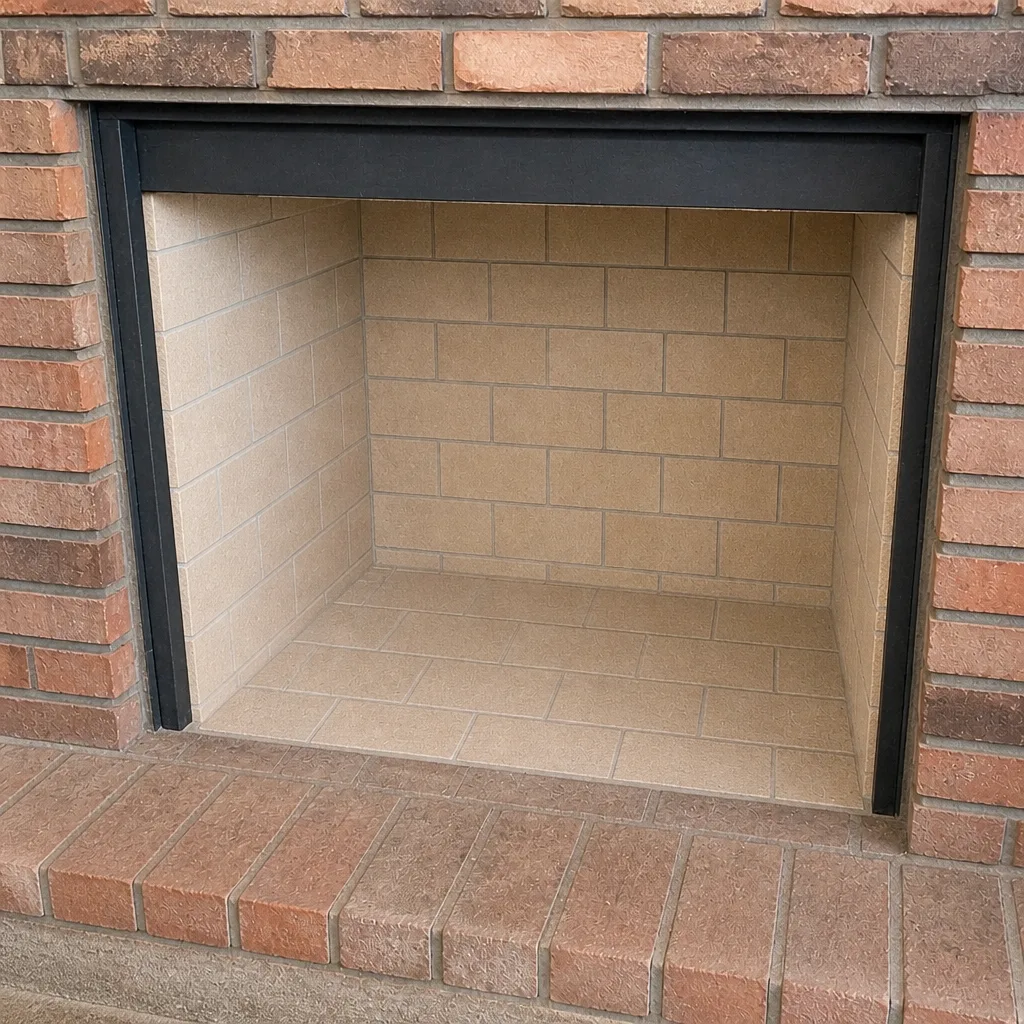
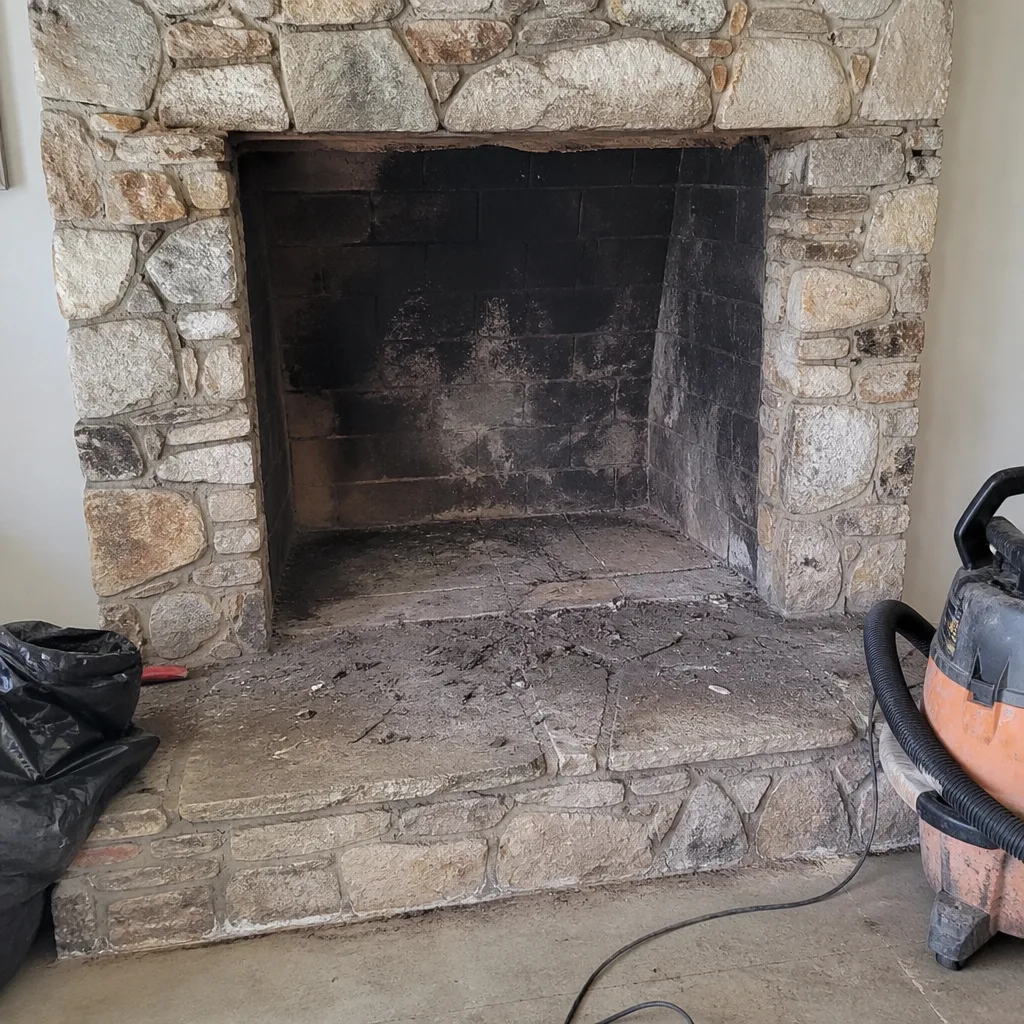
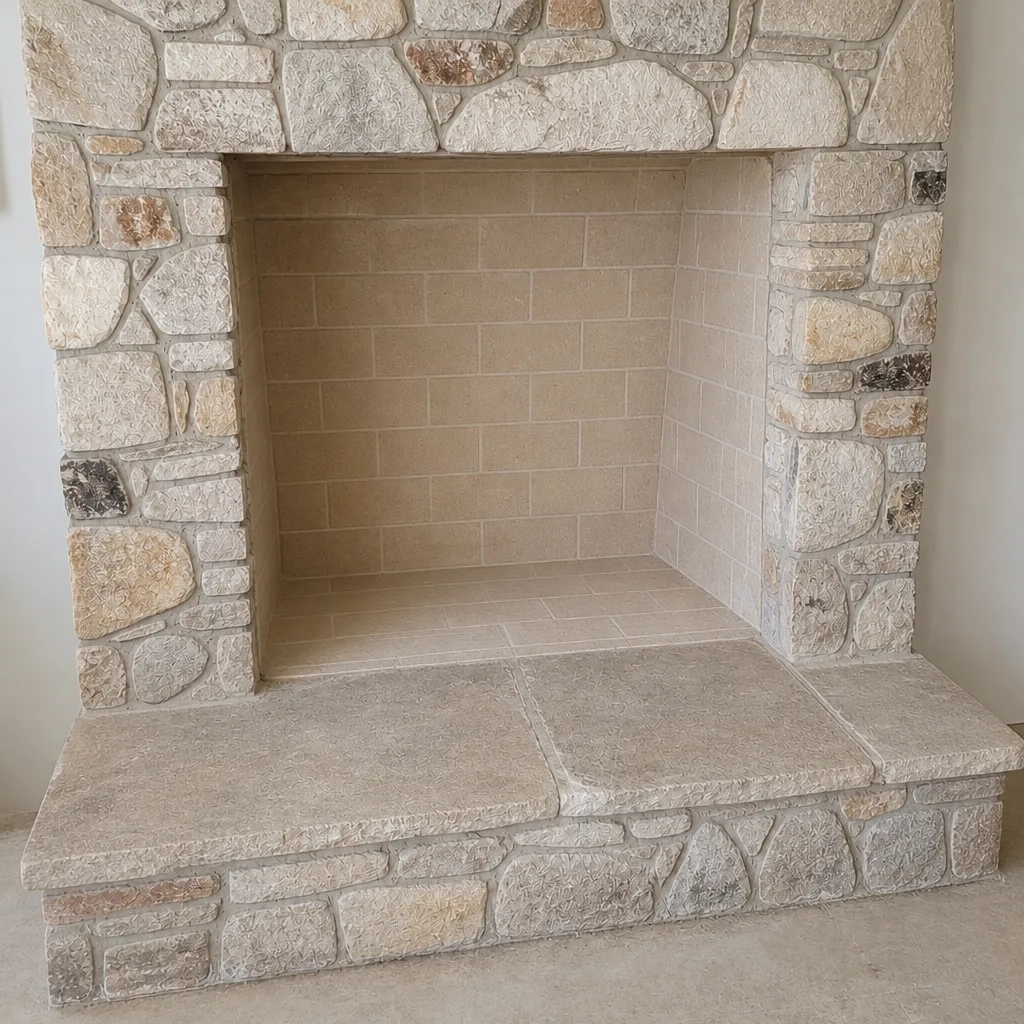
See the difference
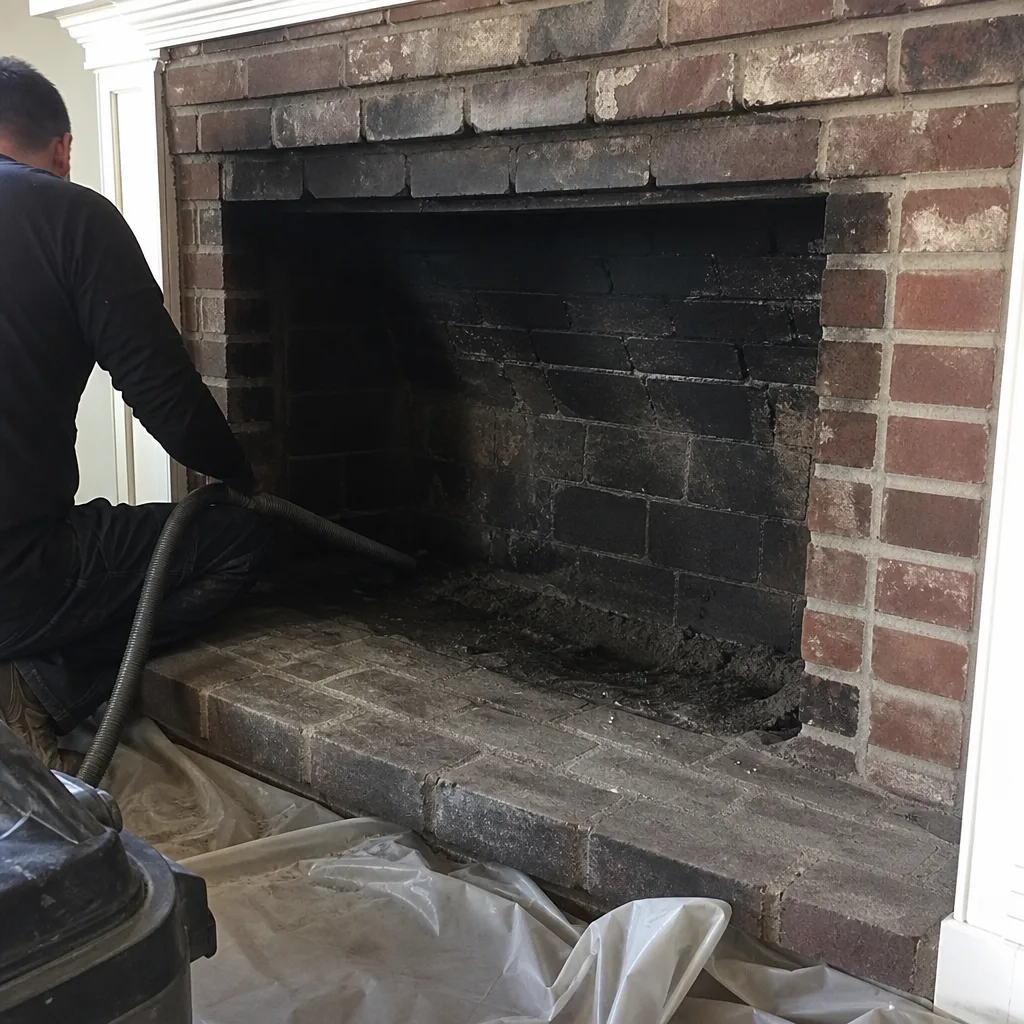 Before
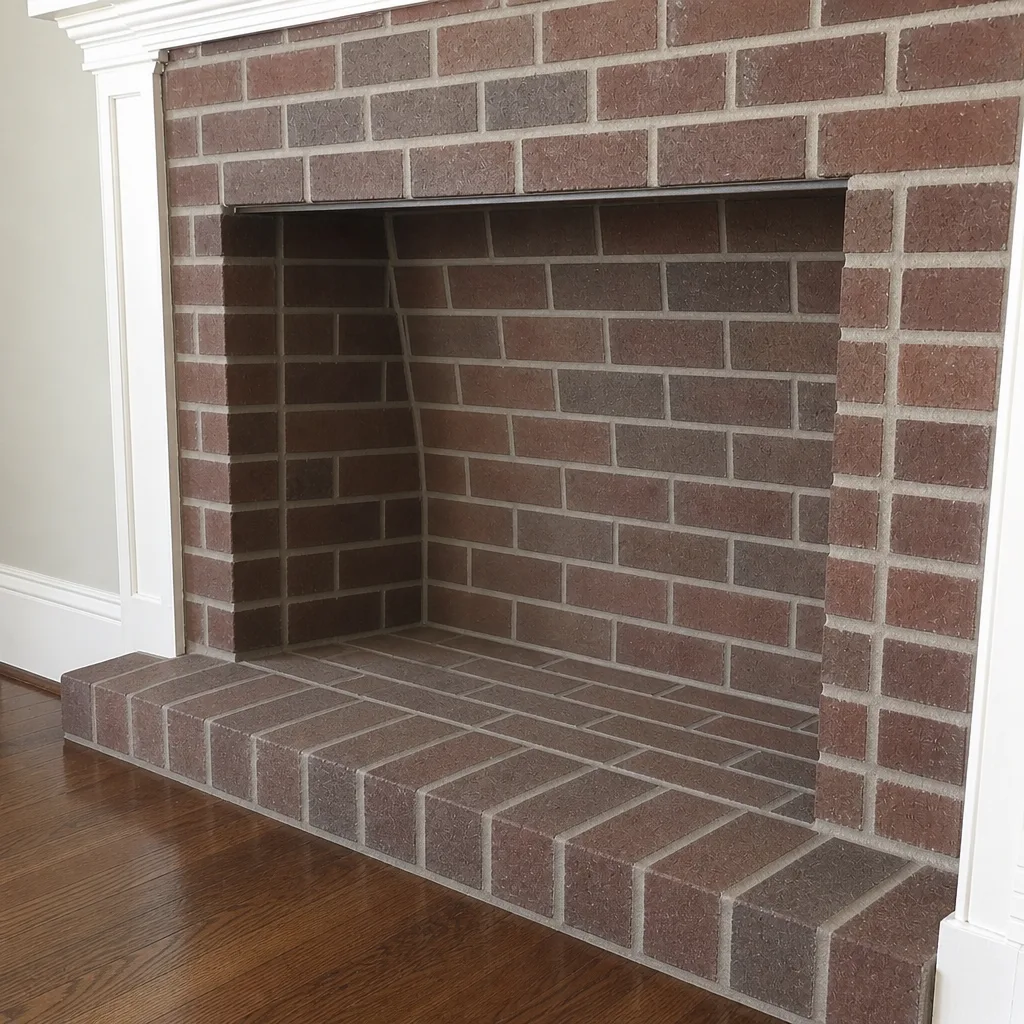 After
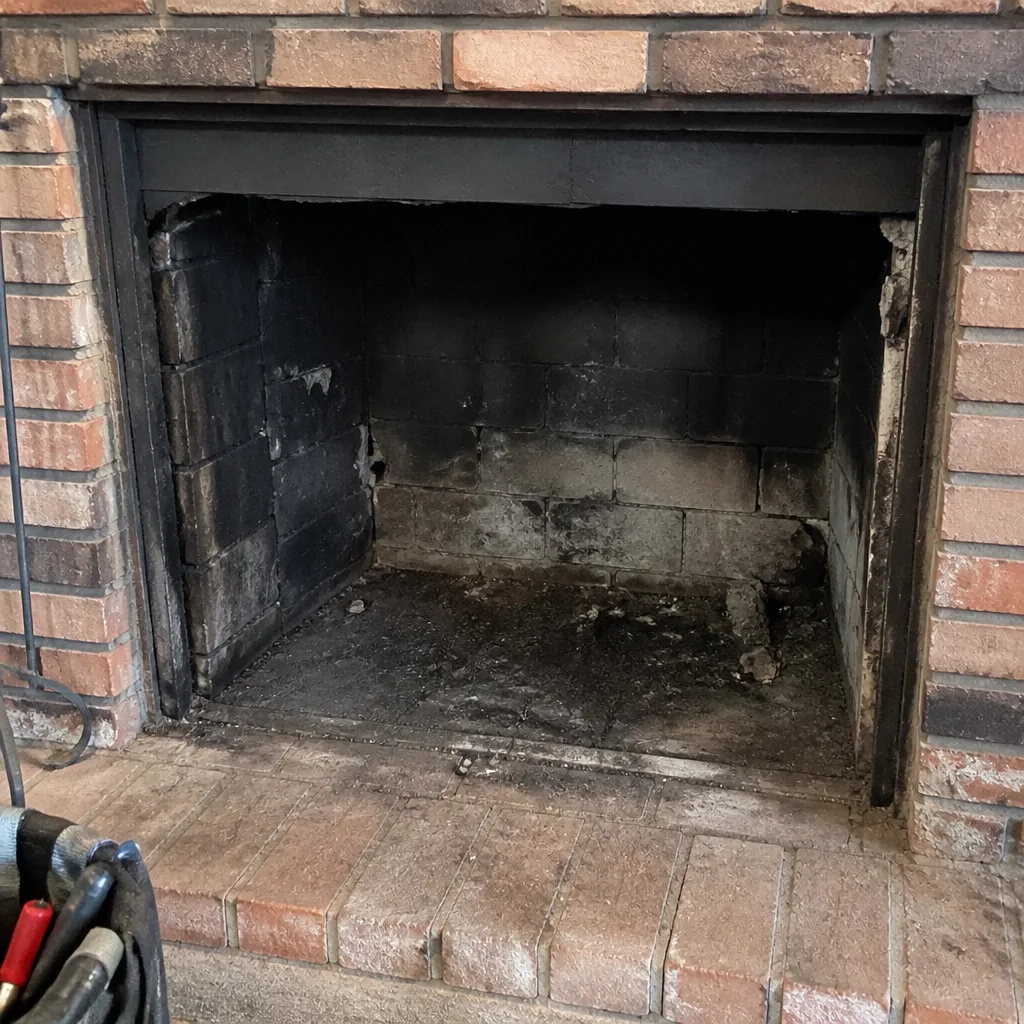 Before
 After
 Before
 After
When to Call a Professional
Some chimney work is worth doing at the first sign of a problem, and some can safely wait. In our experience, these are the signs that mean call now:
You smell a strong creosote odor when the fire isn’t burning. Your fire draws weakly or smoke rolls into the room when you first light it. You’ve noticed water staining on the ceiling near the chimney or the firebox sides. A visible crack runs through the crown or through the brick above the roofline. You’ve never had the chimney inspected and you’ve been burning in West Hills for more than a year. Or your annual sweep turns up a liner issue that needs a trained eye. Carbon monoxide risk is real when a flue is compromised or obstructed, and no one should guess about it.
Chimney Sweep West Hills offers free estimates in West Hills and can answer material questions and inspection questions on the first call.
Call (855) 337-1817. We answer 24/7. Fast dispatch from 7am to 7pm, Sunday through Friday.
Frequently Asked Questions
The right choice isn’t a national name; it’s the local company that names its materials, documents the work on camera, and handles inspection through repair under one roof. In West Hills, look for a specialist that uses professional-grade liners (DuraFlex, Olympia Chimney), HeatShield resurfacing, and recognized crown sealants (Gelco, Copperfield). Ask what goes into your chimney and ask to see it on paper. Call (855) 337-1817 for a free estimate and answers to those exact questions.
UL-listed stainless liners, UV-stable crown sealants like Gelco or Copperfield, and pre-mixed refractory products for firebox repair. West Hills’ heat and sun are hard on materials, so the products that tolerate thermal movement and UV exposure outperform the cheaper options. Ask for the manufacturer name and the listing. Call (855) 337-1817 if you’d like us to walk you through what we’d specify for your flue.
Ask three questions: what liner system do you install, is it UL-listed, and will you name the product in the written report. A serious contractor answers all three in one breath. A weak contractor answers vaguely. The written report should also include before-and-after camera photos, because a material claim without documentation is just a claim. Call (855) 337-1817 to see how we put this on paper.
Neither model is inherently better; what matters is material discretion, training depth, and accountability. A franchise may have standard protocols and centralized supply, and a local specialist may have more flexibility on relines and smoke chamber work. What you want is a company that will explain why a specific product was chosen for your specific chimney and stand behind the outcome. Call (855) 337-1817 and ask us anything on this list.
Sweep annually for active wood-burning fireplaces, or more often with heavy use. Material replacement depends on condition, not calendar; if the crown coat cracks or the flue liner checks out as deteriorated on camera, that’s the signal to act. If the camera report shows a sound flue and intact crown, waiting is safe, and we’ll say so. Call (855) 337-1817 for a free estimate on inspection.
Yes, in most cases. HeatShield resurfacing rebuilds a deteriorated clay liner from the inside, and DuraFlex flexible liners install through the existing flue without opening a wall. Both are common outcomes after a camera inspection in West Hills. Full masonry rebuilds are rare and typically only needed when the chimney structure itself is compromised. Call (855) 337-1817 if you’ve been told you need a full rebuild; a second opinion from camera footage is free.
The Bottom Line
Choosing the right chimney cleaning company in West Hills comes down to materials, documentation, and accountability, not just the brand name on the truck. Ask what liner system they install, ask whether it’s UL-listed, ask what crown sealant they use, and ask whether they’ll name those products on paper. Ask what brush material goes in your flue type. Ask what happens if the repair fails. A serious specialist will answer every one of those questions the first time you ask. A sweep-only operator won’t. Our technicians have up to 9 years of experience and work with the materials the trade specifies: DuraFlex, HeatShield, Gelco, Olympia Chimney, Famco, and Copperfield. From annual sweep to full liner restoration, we handle the diagnosis, the repair, and the cap and crown that protects the whole system. A clean chimney is the starting point, not the finish line.
Ready to Get Answers on Your Chimney?
You don’t need to research the industry to hire well. You just need to ask the right questions, and let the answers do the sorting. We work with the same materials chimney professionals specify, our inspection reports include camera footage you can see for yourself, and nothing is recommended without evidence on file. Whether your chimney needs a routine sweep, a HeatShield liner restoration, or a DuraFlex reline, we can diagnose it correctly the first time and document every product that goes in. Call (855) 337-1817 for a free estimate. We answer 24/7. Fast dispatch from 7am to 7pm, Sunday through Friday.
Written by the team at Chimney Sweep West Hills.