
Last updated November 22, 2026
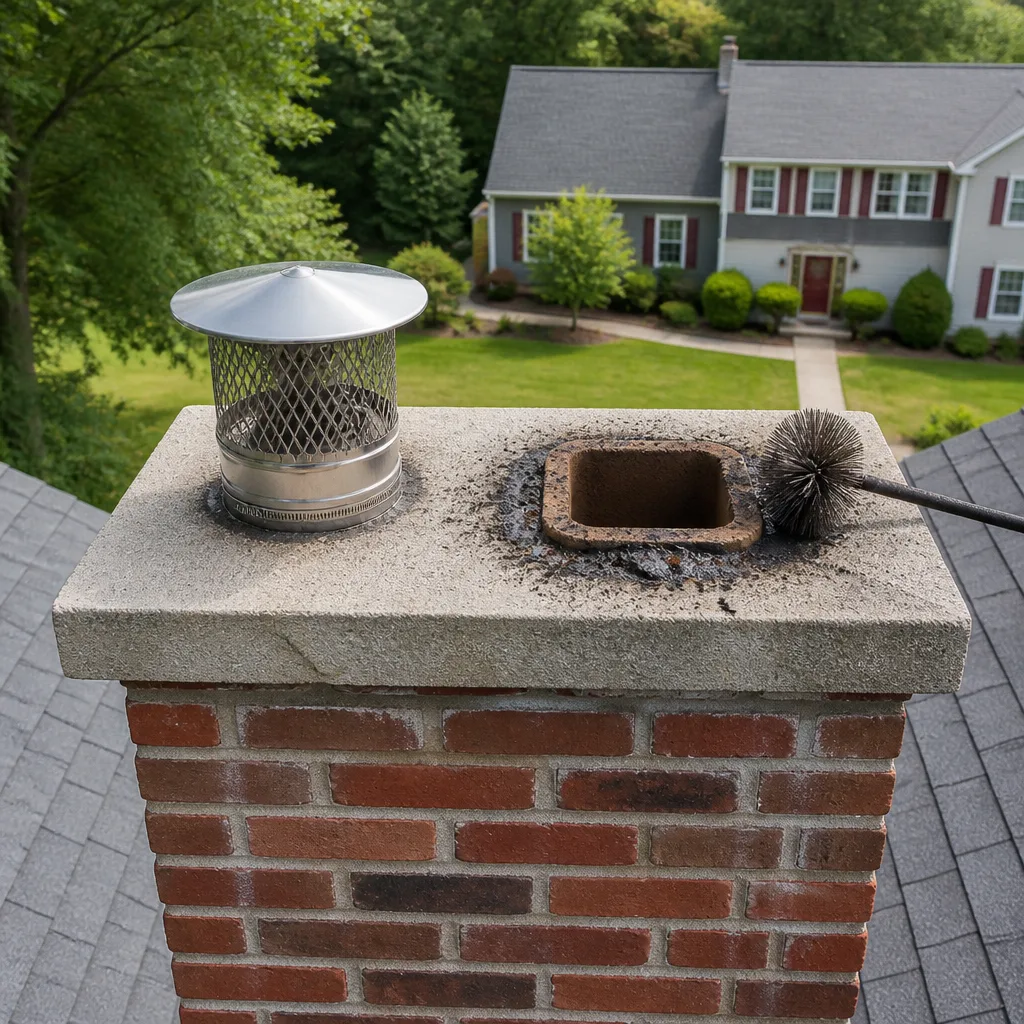 Sweep & inspection
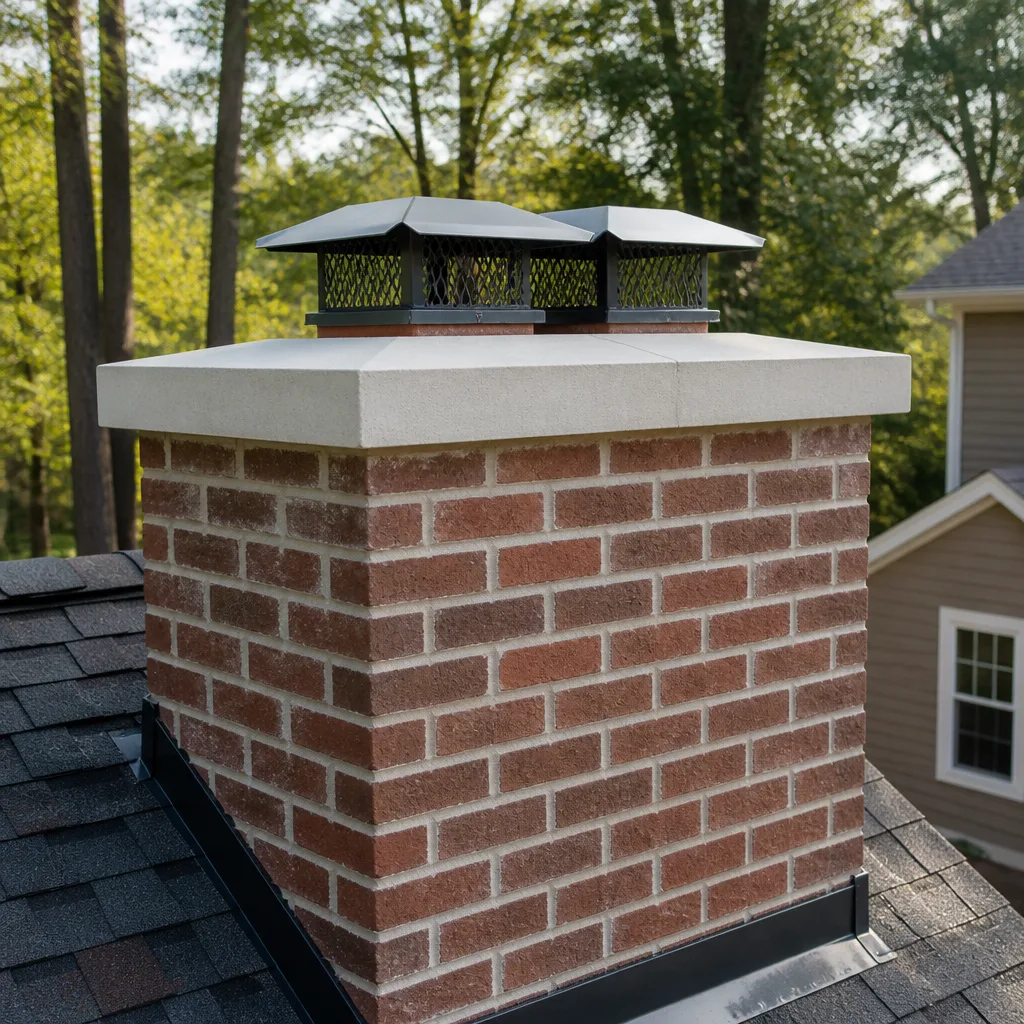 Caps & crowns
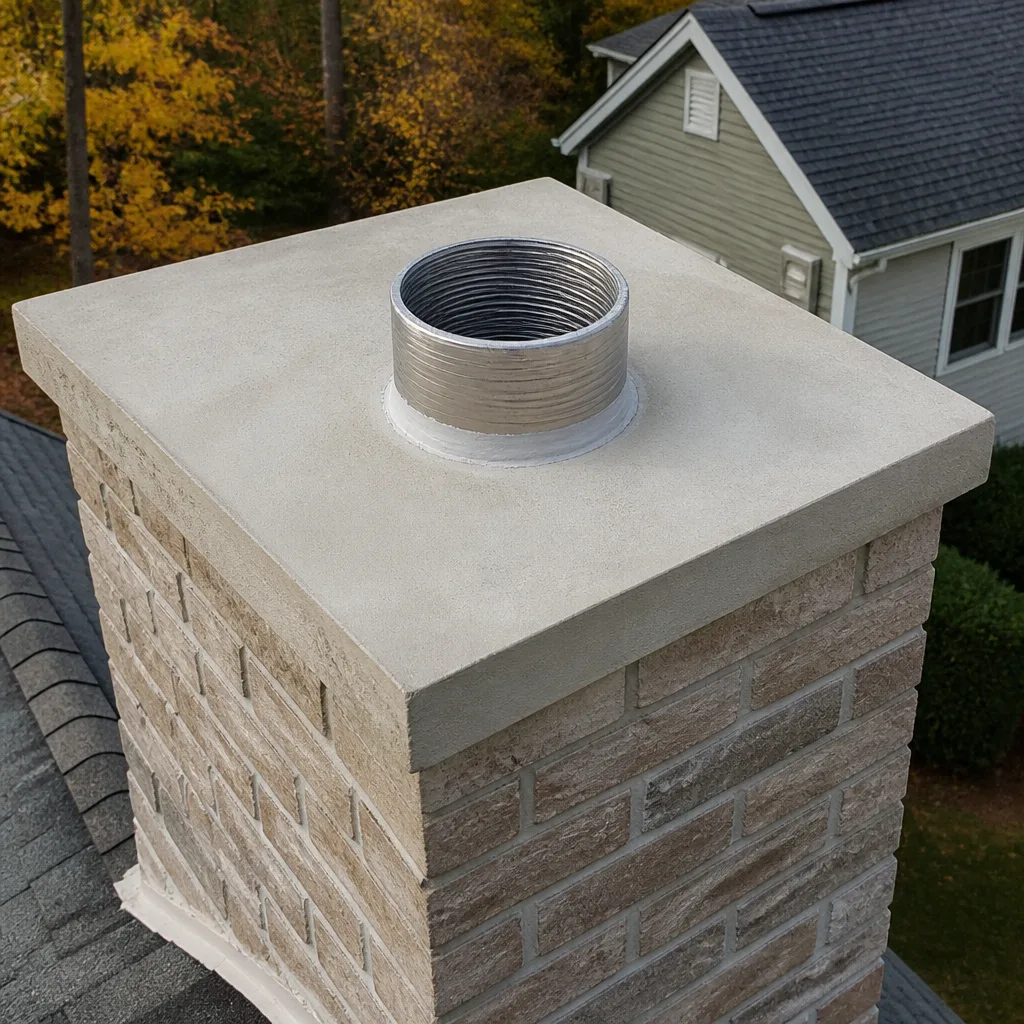 Flue relining
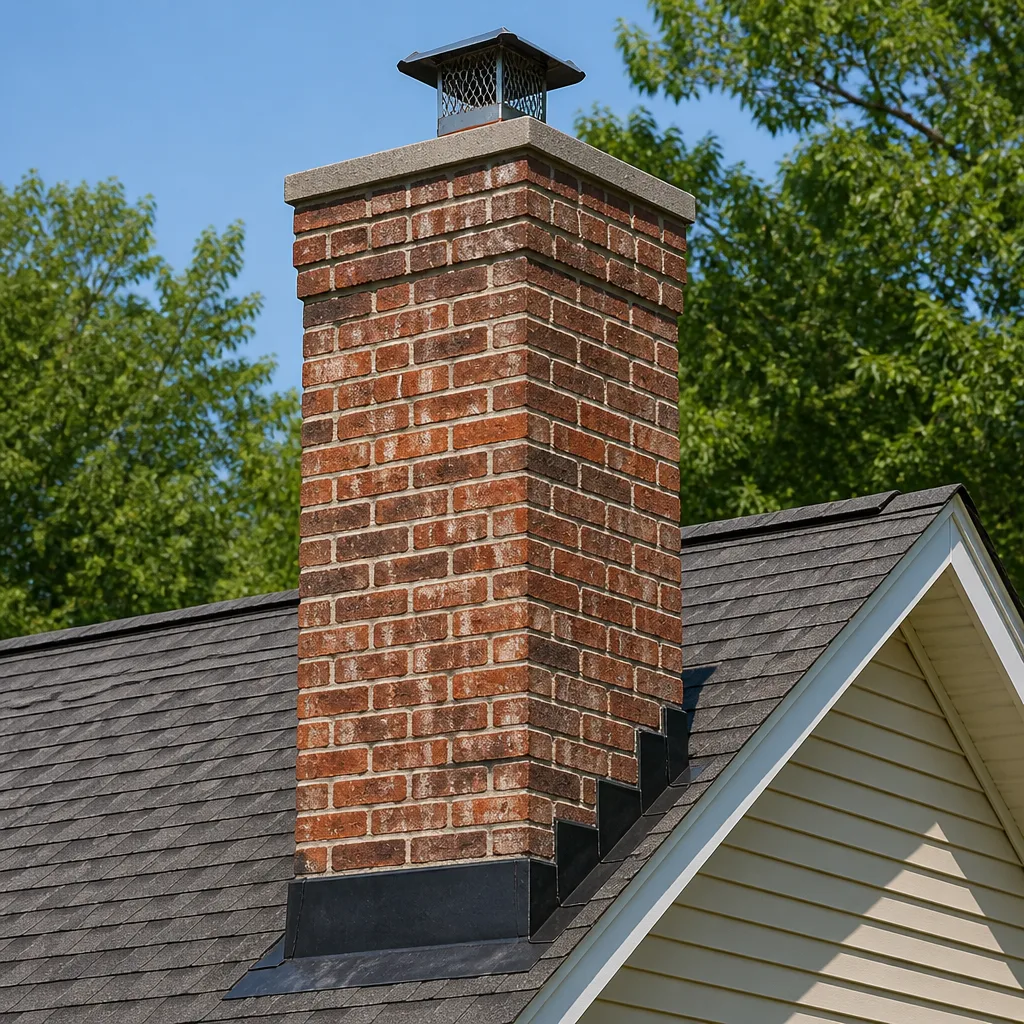 Masonry repair
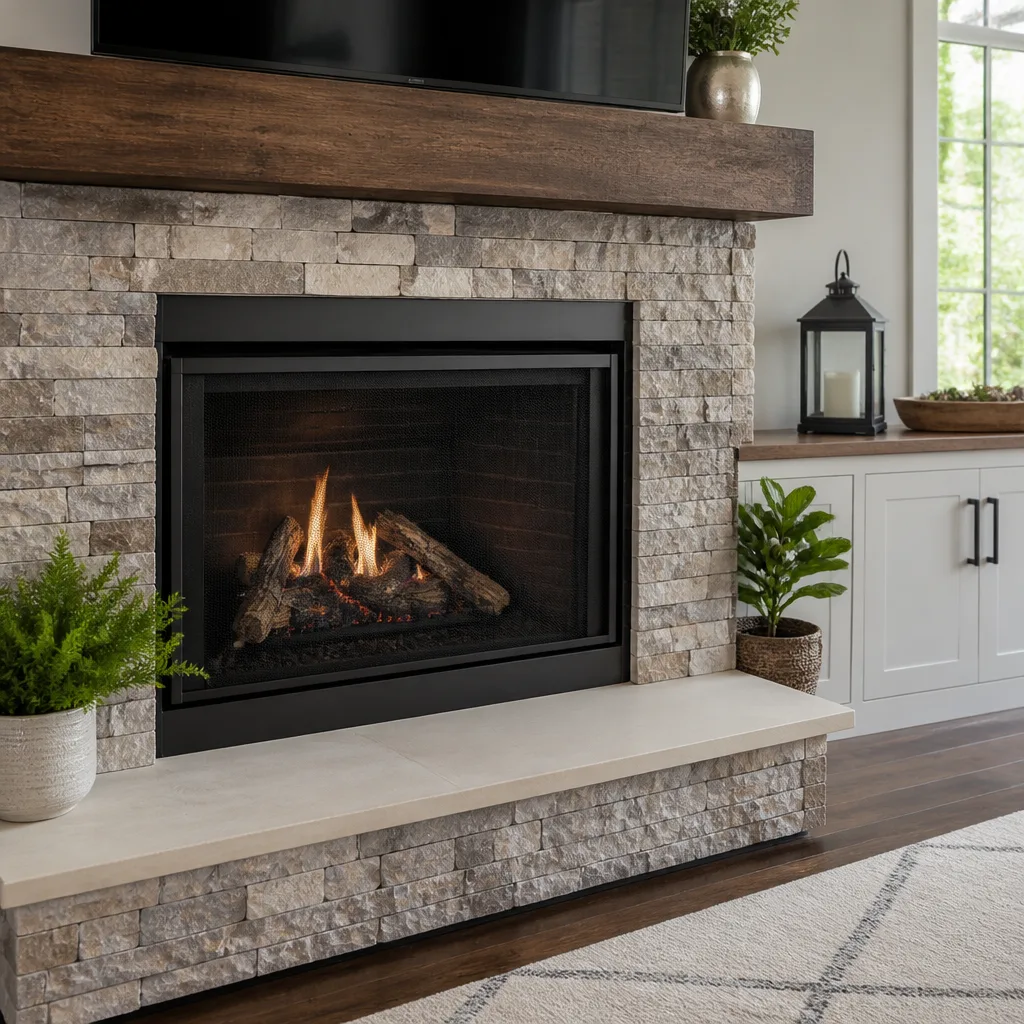 Gas fireplace service
Level 1 sweep and inspection to the NFPA 211 annual standard - flue, crown, cap, and flashing checked and photographed
Chimney sweep logs do not sweep chimneys. They loosen some creosote - which then falls where a brush and vacuum still have to collect it.
Chimney Sweep Troubleshooting in West Hills: Common Problems and How to Fix Them
Smoke spilling into your living room looks the same whether the cause is a bird’s nest at the flue top or a house that’s sealed too tight for its own chimney. That’s the part most homeowners never hear: one visible symptom can trace back to six or seven different conditions, and fixing the wrong one costs money while the actual hazard stays right where it was. In a West Hills home with the windows shut and the air conditioning running, the answer is often pressure, not blockage – and no amount of sweeping will change it. This guide maps symptoms to causes so you can describe what’s happening accurately and know which problems you can check yourself and which need a camera or a trained eye.
Quick Answer
Most chimney trouble in West Hills comes down to four root causes: blockage (creosote, nests, fallen debris), poor draft driven by negative pressure in tightly sealed homes, water intrusion through a failed cap or crown, and a deteriorating flue liner. Smoke, smell, and weak draw are symptoms, not diagnoses – the fix depends on which of those four is actually behind it, and confirming that usually takes an inspection with a camera rather than a guess.
Styles & brands we work with
- Sweep & inspection
- Caps & crowns
- Flue relining
- Masonry repair
- Gas fireplace service
Table of Contents
- Symptom to Cause: A Diagnostic Map
- How West Hills Climate Changes Chimney Draft
- What You Can Diagnose Yourself vs. What Needs a Camera
- Cap, Damper, Liner, or Structure: Telling the Four Fixes Apart
- What to Document Before Your Sweep Arrives
- Creosote and Debris: When Cleaning Is the Problem, Not the Solution
- Water Intrusion, Crown Cracks, and the Cap Question
- Liner Trouble: When Restoration Beats Replacement
Symptom to Cause: A Diagnostic Map
The fastest way to a correct fix is to start with what you’re actually observing and work backward. In our experience, homeowners often lead with a proposed solution (“I think I need a new liner”) when the real information is the symptom itself. Here’s how the mapping works.
Smoke rolling into the room when you light a fire. This is the big one, and it has the widest range of possible causes. Work through them in order:
- Cold flue. A masonry chimney that hasn’t been used in months holds a column of cold, dense air. It can take several minutes of burning to reverse that column and establish upward draft. This is normal and self-correcting.
- Blockage. A nest, a leaf pack, or a heavy creosote load narrows the flue and reduces draw. A camera confirms this.
- Negative pressure. The house is pulling air down the chimney because it’s sealed tighter than the chimney can compete with. More on this below – it’s the most common cause in West Hills.
- Oversized flue. A flue built for a larger fireplace than the one you have won’t stay warm enough to draft well.
- Damper problems. A damper that won’t open fully, or has warped, restricts the flue opening.
- Cap or crown obstruction. A damaged cap, a low crown, or a cap sized too small for the flue can choke the exhaust.
Slow draw but no smoke spill. The fire lights, but it burns lazy and the glass soots up. Usually blockage and negative pressure together, or a flue that never got warm enough. Odor when the fireplace is idle. That smoky, acrid smell on a warm day is air moving down the chimney and into the house – classic negative pressure. Smoke staining on the face of the chimney or the mantel. This points to chronic spill at the firebox, which is mechanical, not cosmetic. Debris falling into the firebox. Almost always a cap failure or crown spalling, which lets masonry bits and nesting material drop down the flue.
Notice the pattern: four symptoms, but the same handful of causes recur. That’s the value of the map. If your symptom is smoke or odor, the first question is whether the flue is blocked, the house is depressurized, or the liner has failed – and that’s exactly the sequence a trained inspection follows.
How West Hills Climate Changes Chimney Draft
Draft is driven by temperature difference. Warm air rises up the flue because it’s lighter than the cooler air at the top. The bigger the gap between the firebox and the outdoor air, the stronger the pull. West Hills winters are mild, which means the temperature gap between a warm house and the outside air is often small – and small gaps mean weak draft. A chimney that drafts beautifully in a colder climate can struggle here in January.
That’s half the story. The other half is the house itself. West Hills homes tend to be well sealed and air-conditioned, and that combination creates a specific problem: when the AC runs and the windows are shut, the house is under negative pressure relative to the outside. Every exhaust appliance – the range hood, the bathroom fan, the dryer – pulls air out, and the house has to replace it from somewhere. The easiest path is often down the chimney. So a furnace or AC that runs hard in a sealed house can literally push air down the flue and into the living room.
You can test this yourself on a still evening. Light a small fire, let it catch, then turn on the kitchen exhaust fan and see if the fire changes behavior. If smoke reverses or the flame flattens, negative pressure is a real factor in your home. Opening a window an inch near the fireplace often restores draft immediately – and that tells you the flue isn’t the primary problem at all.
The fix for negative pressure is rarely a new chimney. It’s usually subtler: a top-sealing damper that keeps outside air from pouring down the flue when the fireplace is idle, or correcting ventilation balance so the house isn’t starved for makeup air. That’s a conversation to have with an inspector who understands pressure testing, not a cap salesman.
What You Can Diagnose Yourself vs. What Needs a Camera
Knowing where the DIY line sits saves money and prevents a misdiagnosis from becoming expensive. Here’s how we draw it.
Genuinely checkable on your own:
- Whether the damper opens fully and smoothly.
- Whether the cap is visible, intact, and sitting level from the ground with binoculars.
- Whether the fire drafts better with a nearby window cracked – the negative pressure test above.
- Visible soot or staining patterns on the chimney face and mantel.
- Whether your firewood is actually dry (seasoned wood burns clean; green wood sends creosote up the flue and smell into the room).
- Debris accumulating in the firebox, which points to the top of the chimney, not the firebox.
Needs a professional with a camera or pressure gauge:
- Creosote thickness inside the flue. The difference between “monitor it” and “clean it now” is depth, and depth is only visible with a scope.
- Liner condition – cracks, spalling, gaps at the joints, and whether a larger flue has been relined or left oversized.
- Hairline cracks in the flue tile you can’t see but smoke can leak through.
- Draft measurements that separate a pressure problem from a blockage problem.
- Structural issues like crown cracks that run into the masonry, or a chimney that’s leaning.
This is where a proper inspection pays for itself. Because we handle inspection, cleaning, liner work, and structural repair under one roof, the camera finding on a Wednesday is the same one the repair discussion happens on – no re-diagnosing, no handoff to a second company that starts the conversation over. When the finding is minor, we say so. When it can wait, we say that too. The recommendation follows the evidence, not a pre-set menu.
Cap, Damper, Liner, or Structure: Telling the Four Fixes Apart
Nearly every chimney repair falls into one of four categories, and the categories solve different problems. The most common industry mistake is recommending the priciest category when a cheaper one is the actual fit. Here’s how to tell them apart.
A cap fix. The cap is the cover at the top that keeps rain, birds, and debris out of the flue. If the symptom is debris in the firebox, staining, or water dripping into the firebox during rain, a cap is likely the answer. A properly sized cap also improves draw by keeping the flue a consistent shape. Cap installation is a preventive step, not a repair. chimney cap & crown work is one of the least expensive and highest-return things you can do, and it’s worth doing right after a cleaning while the flue is open.
A damper adjustment. The damper is the plate that opens and closes the flue. When it won’t open fully, the fire smokes. When it won’t close, you’re losing heat up the chimney all winter. Occasionally a damper is simply jammed with debris and needs freeing. Occasionally it needs replacing. This is the cheapest fix on the list and the most often overlooked.
A liner issue. The flue liner is the inner wall that contains the smoke and heat. A cracked or deteriorated liner lets gases escape into the masonry, which is a genuine carbon monoxide concern. The choice is between resurfacing the liner in place and installing a new liner system. Not every bad liner needs a full reline – and knowing the difference is one of the technical points standard sweep services don’t have the equipment to assess. This is where a specialist matters.
A structural problem. Cracks in the chimney’s brickwork or crown, a leaning stack, or damage after a seismic event falls here. This is the category that gets misdiagnosed as “you need a new chimney” when the fix is targeted masonry repair. Chimney structural work is a specific trade, and you want the same company doing the diagnostic and the repair.
Our rule of thumb: if the symptom is at the top or in the firebox, start with the cheapest category. If it’s in the flue or the masonry, slow down and get real evidence before committing. A trained technician can look at your chimney and trace the symptom to the correct category in one visit. That’s the whole point of Chimney Sweep West Hills being one company from inspection through repair.
What to Document Before Your Sweep Arrives
The diagnostic conversation starts better when you bring information. Photos and notes move the appointment from “we’ll take a look” to “we can fix this.” Here’s what to gather.
- Photograph the chimney from the ground. Two angles, one facing the cap directly, one from the side. Seeing whether the cap is level and the crown intact narrows things fast.
- Photograph the firebox and damper. Note whether the damper opens fully and how far.
- Note the symptom and its timing. Smoke on lighting only, or throughout the burn? Odor when the fireplace is unused, or only in warm weather? “When does it happen” often equals “which cause” once you’re looking.
- Note what’s running nearby. Are the AC, the furnace, an exhaust fan, or the dryer on when the symptom appears? Does the problem follow a weather pattern?
- Record the last time the chimney was swept and by whom. A recent cleaning with a persisting symptom means the issue isn’t creosote.
- Note the age and type of appliance. Wood-burning fireplace, gas insert, or something else. The flue requirements differ significantly between these.
- Write down the question you most want answered. “Is my liner still sound?” is a different inspection than “why does my fireplace smoke?” Tell the technician which question you want solved first.
We bring a camera and photo documentation to every inspection so you can see what we see. Nothing gets recommended that isn’t backed by an image you could look at yourself. That’s the answer to the real concern most homeowners bring to this appointment: being told you need work with no way to verify it. You should be able to look at the evidence.
Creosote and Debris: When Cleaning Is the Problem, Not the Solution
A clean chimney is the starting point, not the finish line. Cleaning removes creosote and debris, but it doesn’t fix a bad cap, a failed liner, or a pressure problem. If your chimney has been cleaned regularly and still smokes or smells, the cleaning isn’t the fix – it’s the baseline the fix starts from.
Creosote is the residue that wood smoke leaves on the flue wall. It builds up gradually, and its danger is that it’s flammable. In heavy concentrations it can ignite, which is what a chimney fire actually is. On a mild West Hills winter, fires tend to burn cooler and more slowly – which is exactly the condition that produces more creosote per cord of wood than a hot, fast-burning fire would. So a fireplace that “works fine” and gets used a lot in a mild climate can still build up creosote quietly.
Debris is the other factor. Birds, leaves, and masonry crumbs all collect at the bottom of the flue. If debris is accumulating in your firebox, the top of the chimney has a gap somewhere – either a missing cap, a damaged cap, or a crown that’s no longer shedding water. That’s a cap issue, not a creosote issue. Cleaning out the debris is temporary; fixing the top makes it stay fixed.
The practical rule most professionals follow: sweep based on how much you burn, not the calendar alone. A fireplace used regularly through the winter typically warrants an annual cleaning and inspection; a fireplace used occasionally can often go longer, but the yearly inspection still matters because the things it catches – damaged liners, cracked crowns – aren’t conditions that fix themselves. If you’re not sure where yours falls, the cleaning reveals the answer.
Water Intrusion, Crown Cracks, and the Cap Question
Water is the quiet destroyer of masonry chimneys. West Hills doesn’t freeze hard, but rain still gets in, and once it’s inside the masonry it does its work slowly – softening mortar, rusting a damper that used to work, soaking the flue tile. You may notice it as a damp, musty smell when the fireplace is unused, water in the firebox, or white mineral staining on the chimney face.
The crown is the concrete or mortar cap at the very top of the chimney, sloped so water runs off. Hairline cracks in the crown are normal with age, but a crown that has cracked enough to let water seep in is a real problem. The water can travel down through the masonry and show up as a stain at the wrong end of the chimney. The fix is to repair or resurface the crown so it sheds water again.
The cap is the metal or masonry cover that sits over the flue opening. Together, the crown and the cap are what keeps water out of the flue. When we recommend cap and crown work, it’s for that reason – the flue is only as dry as the top of the chimney. If your chimney has a proper cap and crown and still leaks, the leak is coming from the mortar joints or a flashing seal at the roofline, which is a different repair.
The simplest check is visual. Stand back and look at the top of the chimney with binoculars. A crown should be sloped and intact. A cap should be the right size, firmly attached, with an unobstructed screen. If you can’t see one or either, that’s a phone call worth making before the next rainy season. Chimney material: we work with Gelco and Copperfield caps and crowns because the material quality determines how long the fix lasts.
Liner Trouble: When Restoration Beats Replacement
A bad flue liner is serious. The liner is what separates the inside of the flue – where the smoke and heat are – from the surrounding masonry. When it cracks, gases can escape into the structure and into the house. That’s not a cosmetic problem; it’s the reason a liner inspection belongs on the annual list.
Not every bad liner is a full replacement, though. That’s the industry’s dirty secret: relining a chimney is a big, expensive job, and the recommendation often gets made without checking whether a less invasive option is technically sound. Here’s how the choice actually breaks down.
Restoration means resurfacing the inside of the existing flue with a specialized system that re-forms a smooth, sealed inner wall. It works when the original flue is structurally intact but its tiles are cracked or its surface is deteriorating. The benefit is that there’s no demolition and no relining: the chimney stays put and the liner gets its durability back. We’re trained on HeatShield, an EPA-listed, CSIA-recognized resurfacing system, and it’s a real alternative in cases that would otherwise be sold as a full reline.
Full reline means installing a new liner system inside the flue. We work with DuraFlex flexible liner systems, which handle the relines that can’t be solved by resurfacing – an oversized or irregular flue, a chimney that’s been converted from wood to gas, or a flue that’s too damaged to resurface. A full reline is the right answer sometimes, and when it is, the system matters: flexible stainless liners perform very differently from improvised pipe or a patch.
The diagnostic line between the two is whether the existing flue structure can hold a resurfaced liner. That’s determined by camera inspection, not by the size of the quote. And when there’s no urgent hazard, we say so – some liner repairs can wait until the next season, and we’re comfortable telling you that rather than pressing the job. If you’re being told you need thousands in liner work you can’t verify, get the camera evidence first. That part is non-negotiable, and so is sitting down with a written estimate before anything is scheduled.
For any fireplace structural work that falls outside the liner – firebox brick, refractories, the smoke shelf – fireplace repair is a separate scope and worth asking about explicitly rather than assuming the sweep handles it.
See the difference
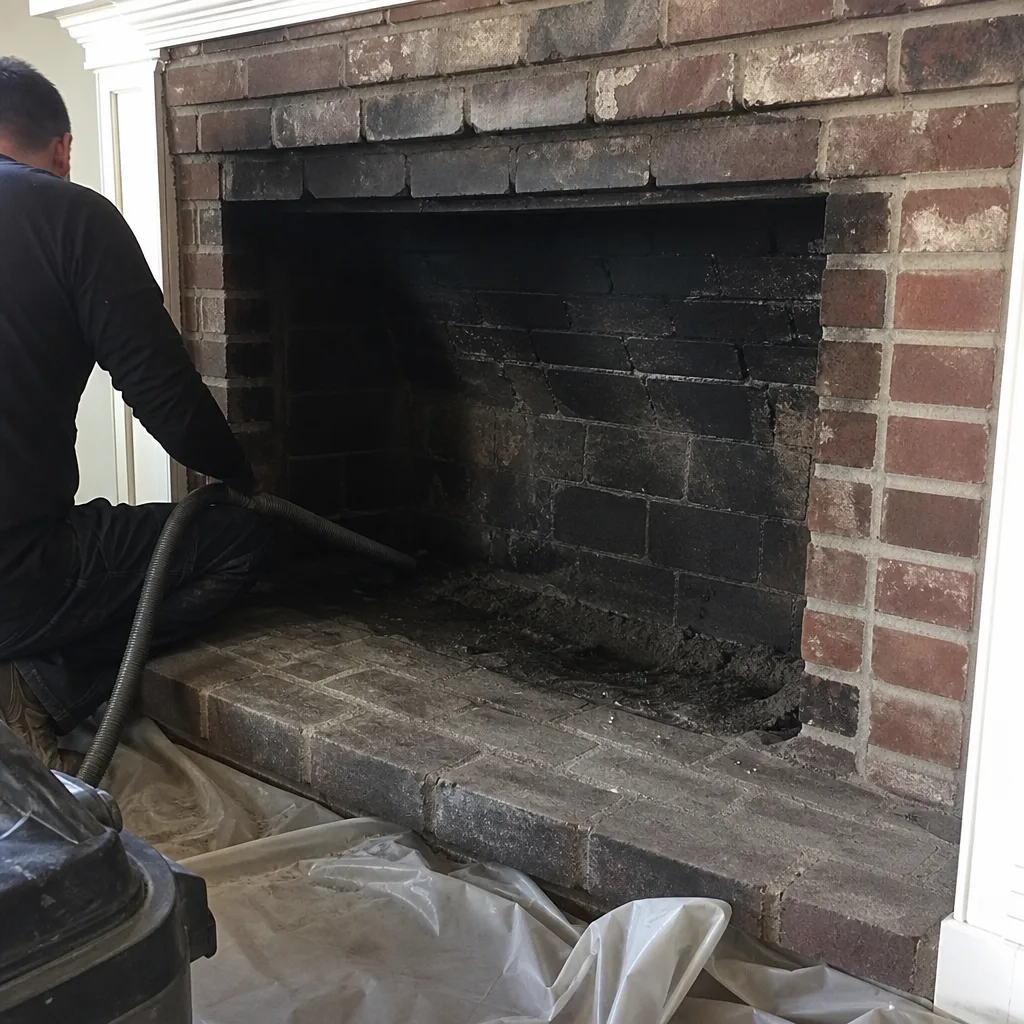 Before
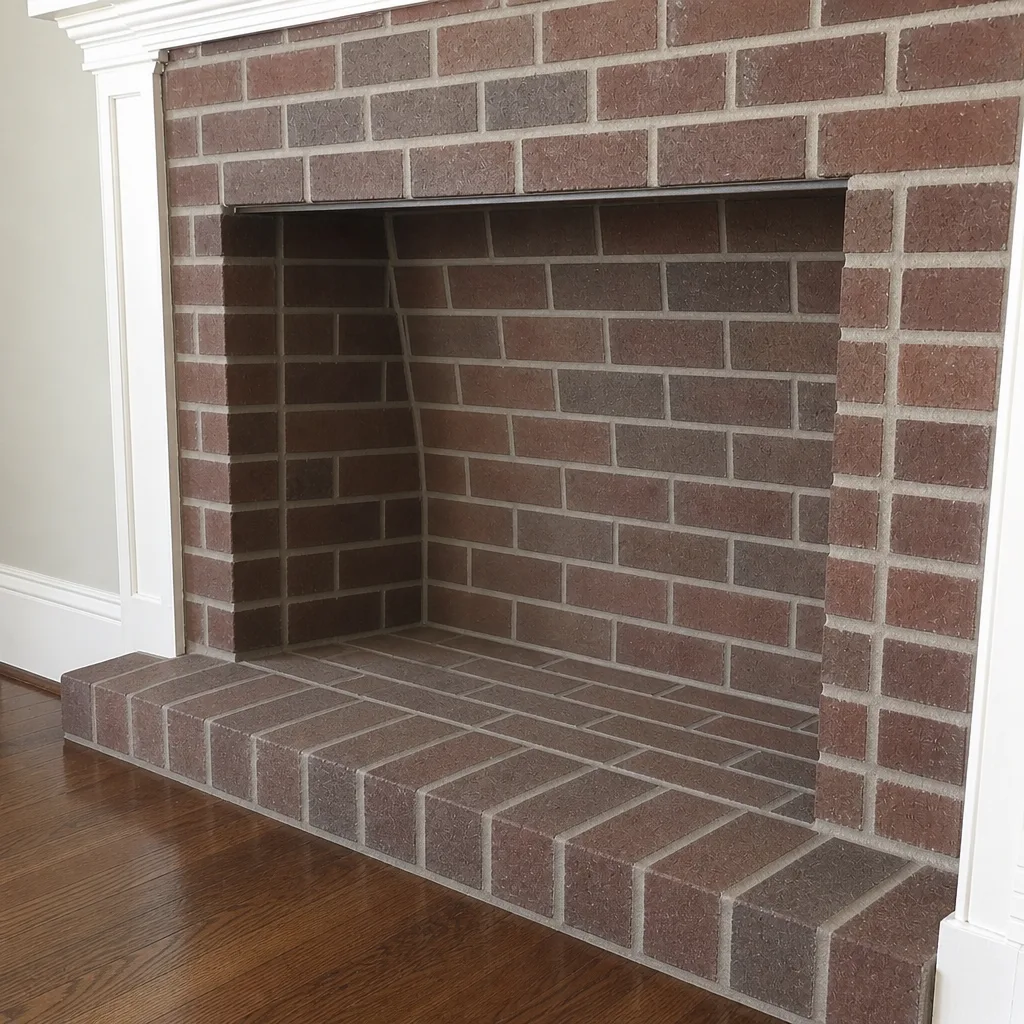 After
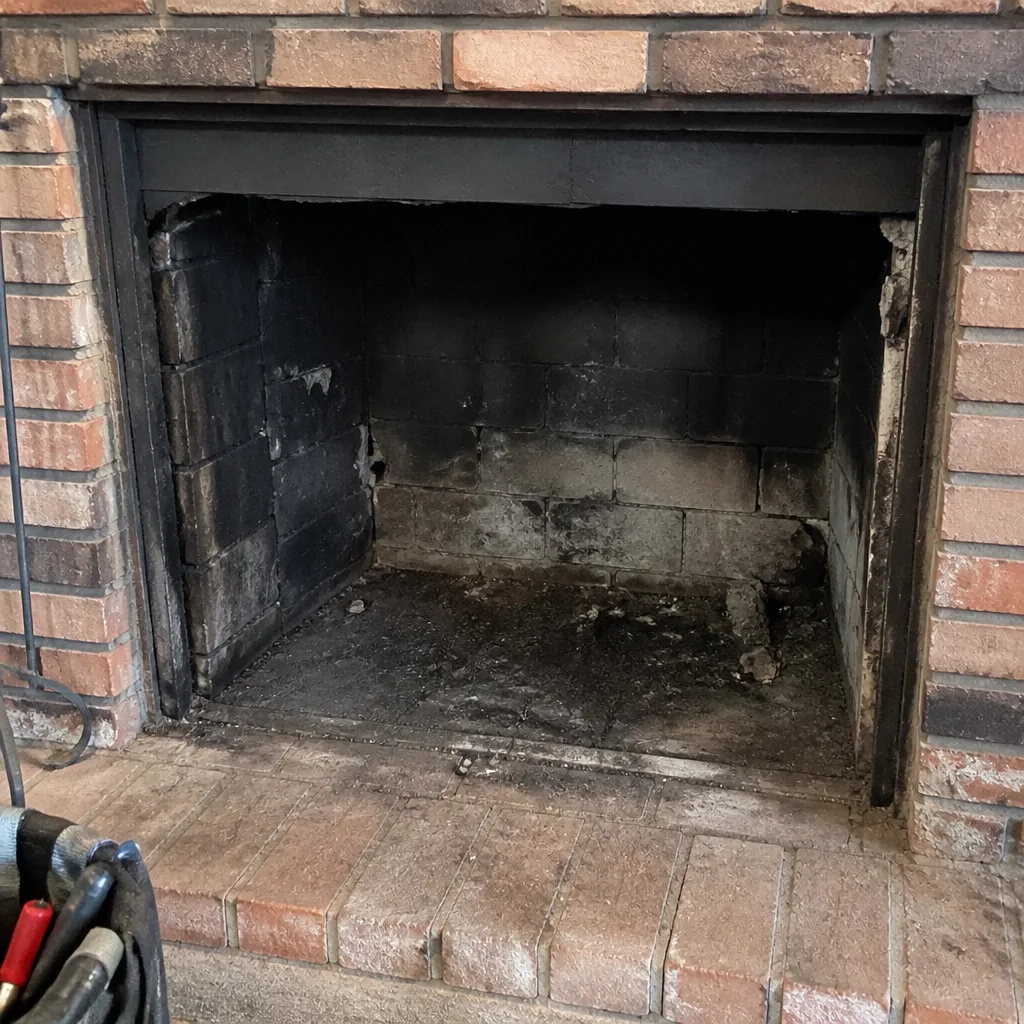 Before
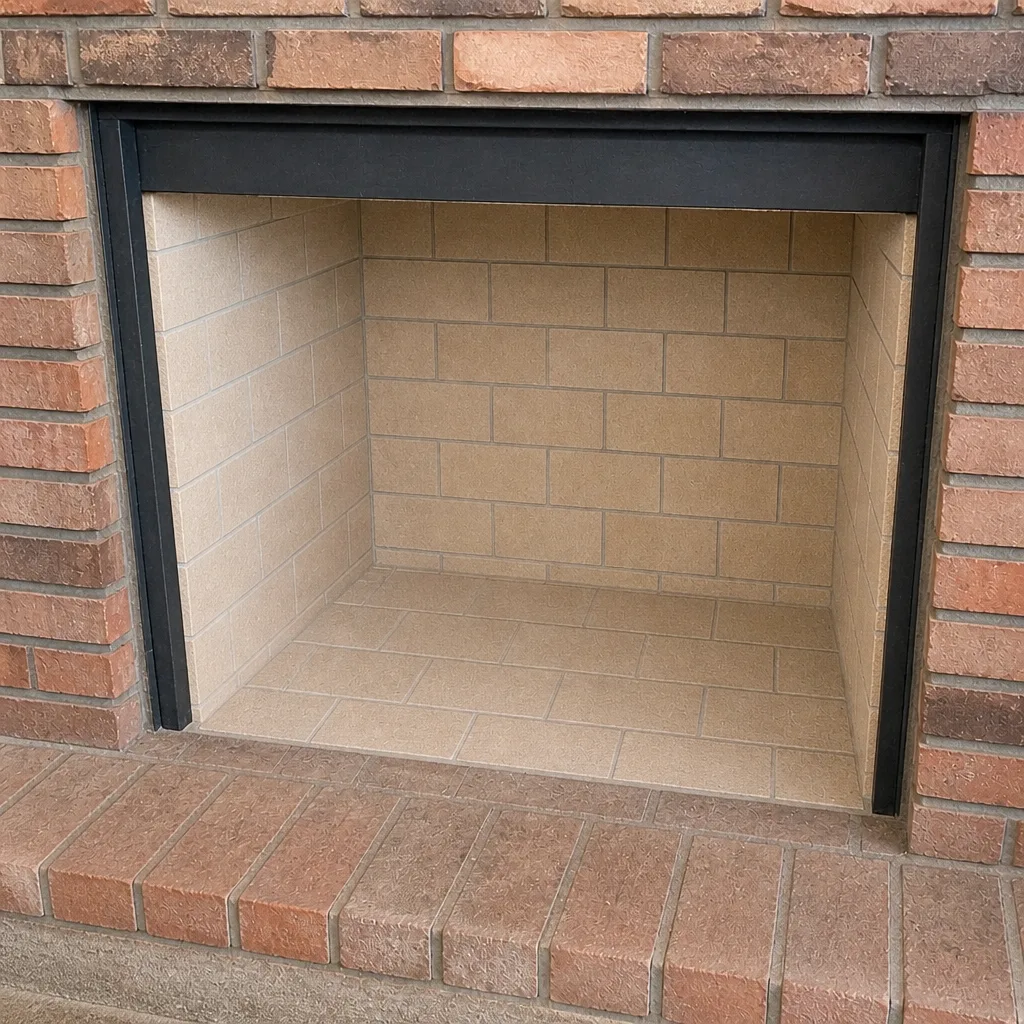 After
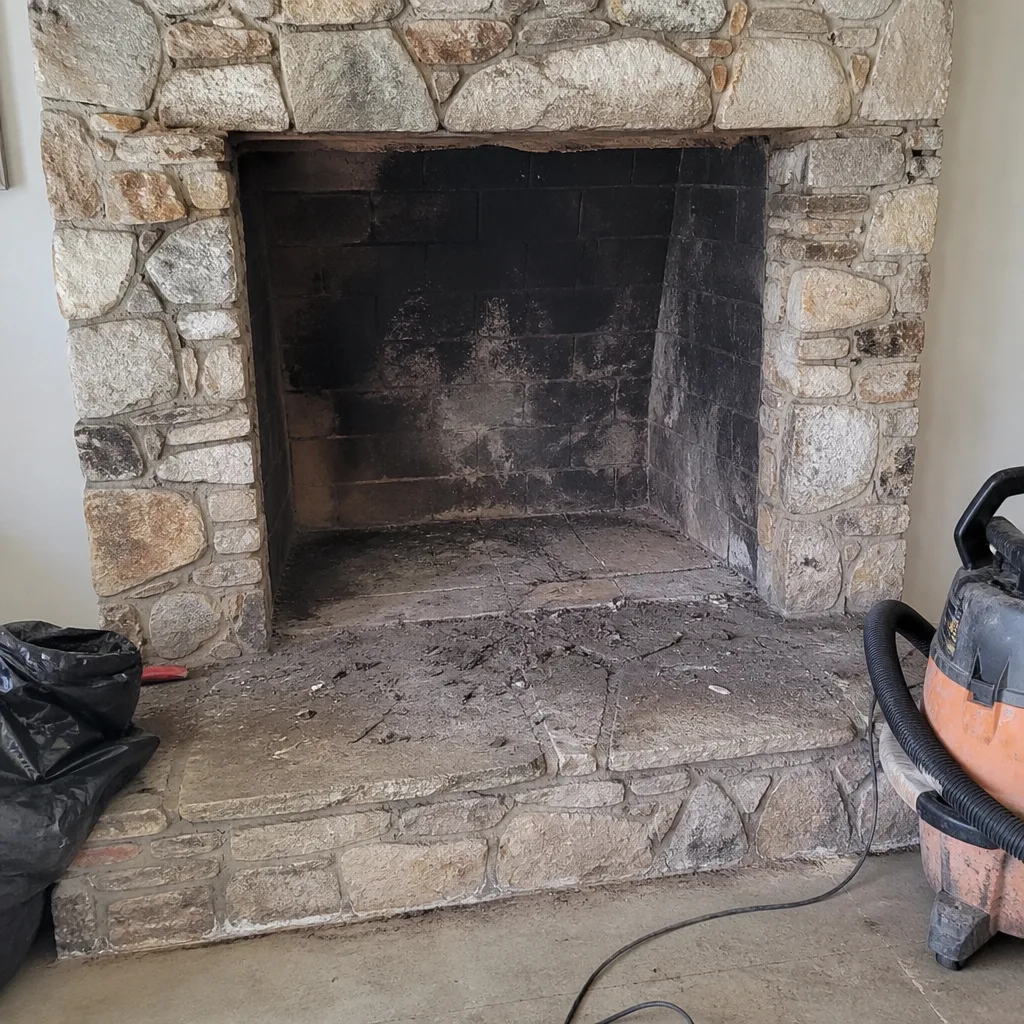 Before
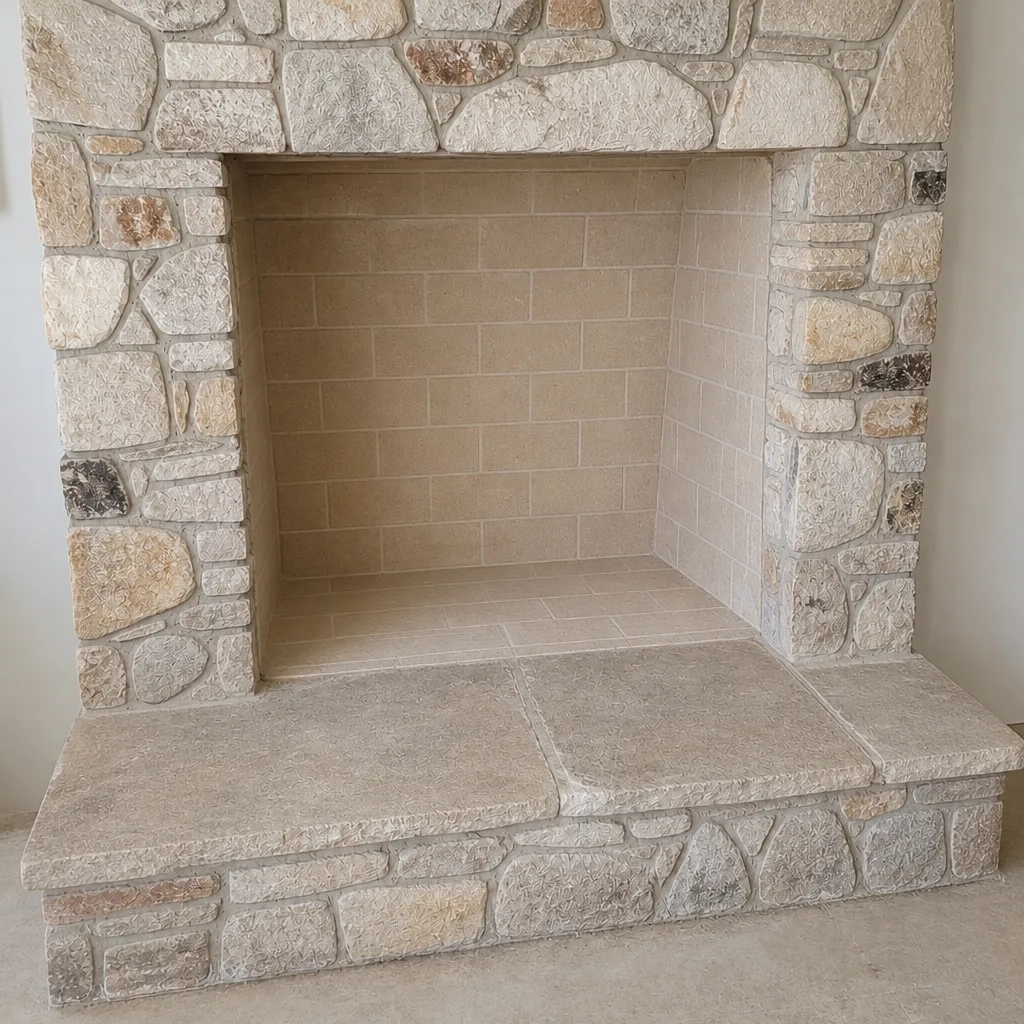 After
Common Mistakes to Avoid
- Fixing the symptom instead of the cause. If smoke is the problem and you buy a cap, you may have solved the wrong thing. Smoke is a symptom; the cap is one possible cause.
- Following a proposed solution without asking for evidence. “You need a new liner” should always come with a photo or a camera video. If it doesn’t, ask.
- Assuming a sweep is the same thing as an inspection. Cleaning removes creosote. An inspection looks at liner condition, crown, cap, and draft behavior. You want both, and they’re not the same visit.
- Burning green or unseasoned wood to save money. It sends far more creosote up the flue and produces more odor. The cheaper wood costs more in cleaning.
- Blaming the chimney for a house pressure problem. West Hills homes are well sealed and air-conditioned, which can depressurize the house relative to the chimney. If opening a nearby window fixes your smoke problem, the chimney may not be the culprit.
- Waiting on a cap or crown that’s failed. Water in the flue is slow, and slow damage is the kind that surprises you at the worst time.
- Letting a general handyman handle structural chimney work. Chimney masonry is its own trade. The right person is one who knows the diagnostic sequence and stays with the job from inspection through repair.
When to Call a Professional
Call a professional when the symptom gets worse, not when the chimney fails. Specific cases worth a call: any smoke spilling into the room that doesn’t clear once the fire is burning, odor that appears when the fireplace is idle especially in warm weather, debris accumulating in the firebox, cracked or missing crown visible from the ground, white staining or damp patches on the chimney face, or a liner that’s never been inspected. And the one that’s never a DIY job: any suspicion of a blocked or damaged liner, because a compromised liner is a carbon monoxide path, not a chimney draft issue. That’s a job for a trained professional with a camera, not something to check by feel.
If your chimney hasn’t had a proper inspection in the last year, that’s the easiest call to make. Chimney Sweep West Hills offers free estimates in West Hills – call (855) 337-1817. We answer 24/7. Fast dispatch from 7am to 7pm, Sunday through Friday. Our technicians have up to 9 years of experience, and we bring a camera and a written estimate to the same visit. Our chimney sweep service includes the cap and crown check so the sweep is the starting point, not the finish line. From annual sweep to full liner restoration, one company handles the diagnosis and the repair.
Frequently Asked Questions
Smoke entering the room is usually a cold flue, a blockage, negative pressure, or an oversized flue – in that order of likelihood. In West Hills, with well-sealed, air-conditioned homes, negative pressure is a common culprit, and a quick test is to crack a nearby window and see whether the draft improves. If it does, the house pressure, not the chimney, is the main suspect. If it doesn’t, get the flue camera-inspected before you spend anything on a repair.
A smoky or acrid smell when the fireplace is idle is almost always air moving down the flue and into the house – the reverse of what you want. It’s most common on warm, still days and in tightly sealed, air-conditioned homes. A top-sealing damper – a damper that seals at the top of the flue when the fireplace is off – is the standard fix, and it’s worth discussing with an inspector who can confirm the cause rather than guess.
Not every cracked liner needs a full reline. If the flue is structurally intact but the tiles are cracked or deteriorating, resurfacing the liner in place with a system like HeatShield can restore it without demolition. A full reline with a flexible system such as DuraFlex is the right answer when the flue is oversized, irregular, or too damaged to resurface. The camera confirms which one applies, and the written estimate sets the price. Call (855) 337-1817 for an exact quote – estimates are free.
An annual inspection and cleaning is the standard, and it’s a good baseline for most West Hills homes with an active fireplace. If you burn regularly through the winter, that’s roughly once a year; lighter use can go slightly longer, but the yearly inspection still matters because a damaged liner or cracked crown won’t announce itself. Sweep based on how much you burn, and inspect on the calendar.
The risk is creosote buildup that can fuel a chimney fire and a deteriorating liner that can let carbon monoxide into the house. Neither one is visible from the living room, and neither gets better on its own. Skipping a year isn’t catastrophic; skipping several is how a chimney goes from “needs a cleaning” to “needs a liner.” It’s the kind of slow change that a single inspection catches and years of ignoring hides. Call (855) 337-1817 to book an inspection – estimates are free.
Yes for visible things: the damper, the cap, the crown from the ground, and the draft test with a nearby window. No for anything involving the flue interior, liner condition, or creosote depth – those need a camera and a trained technician. And never inspect the inside of a flue yourself. A compromise in the liner is a carbon monoxide path, not a weekend project.
Yes. A cap that’s undersized, damaged, or sitting off-level narrows the flue opening and restricts exhaust, and a damaged cap also lets debris and water in. Since the cap is the top end of the flue, a small cap problem can mimic a much bigger draft problem. A visual check with binoculars will tell you whether the cap sits level and intact, and cap and crown work after a cleaning is one of the simplest ways to prevent both.
The Bottom Line
The chimney problems that worry homeowners most are usually the ones with the simplest causes. Smoke, odor, and weak draw trace back to four things: blockage, pressure, water, or the liner – and the fix depends on which one you’ve actually got. A diagnostic approach beats a repair-first approach every time, and the camera evidence is the part that makes the diagnosis honest. Know what you can check yourself, know when to stop, and don’t buy a repair you can’t see the reason for. The rest is straightforward: a cleaning, a cap and crown in good condition, and an inspected liner go a long way. When something doesn’t add up, call (855) 337-1817. We answer 24/7. Fast dispatch from 7am to 7pm, Sunday through Friday, and the estimate is free.
Written by the team at Chimney Sweep West Hills.