
Last updated November 22, 2026
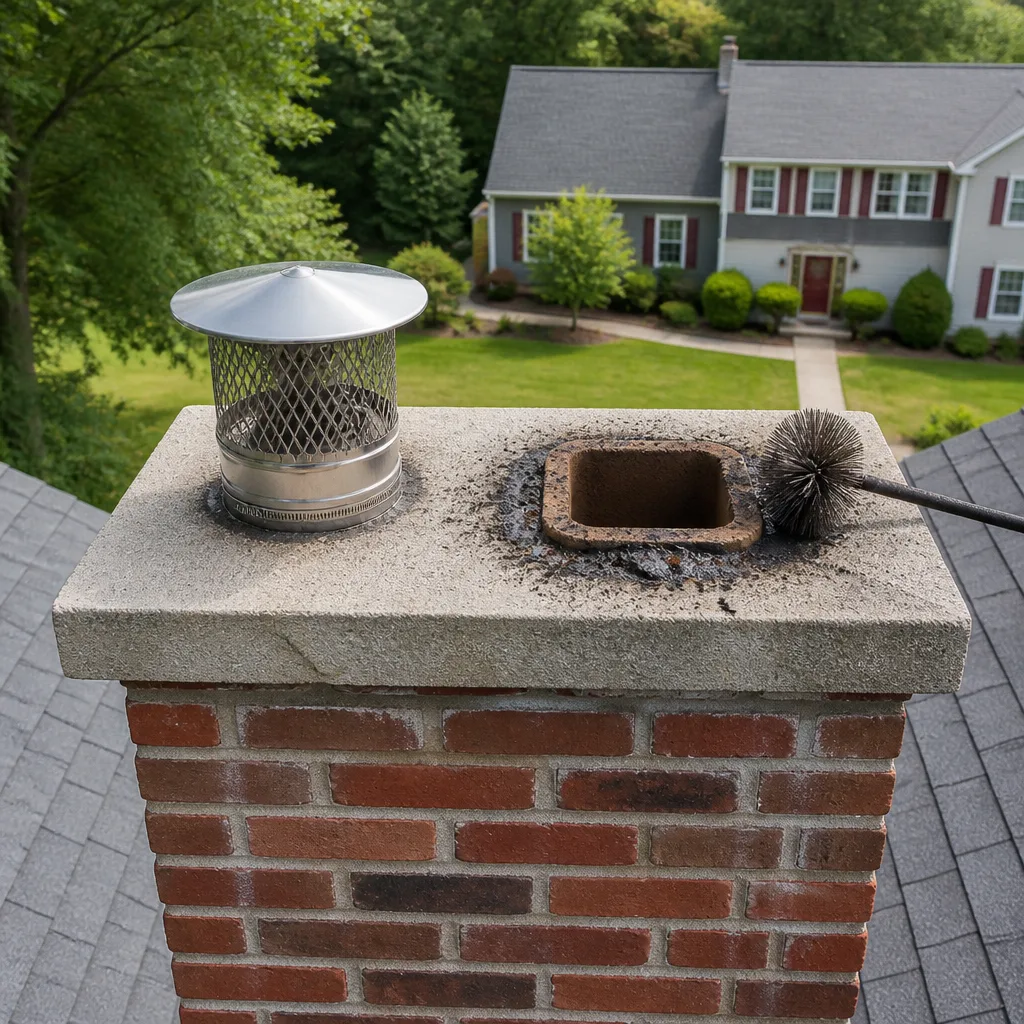 Sweep & inspection
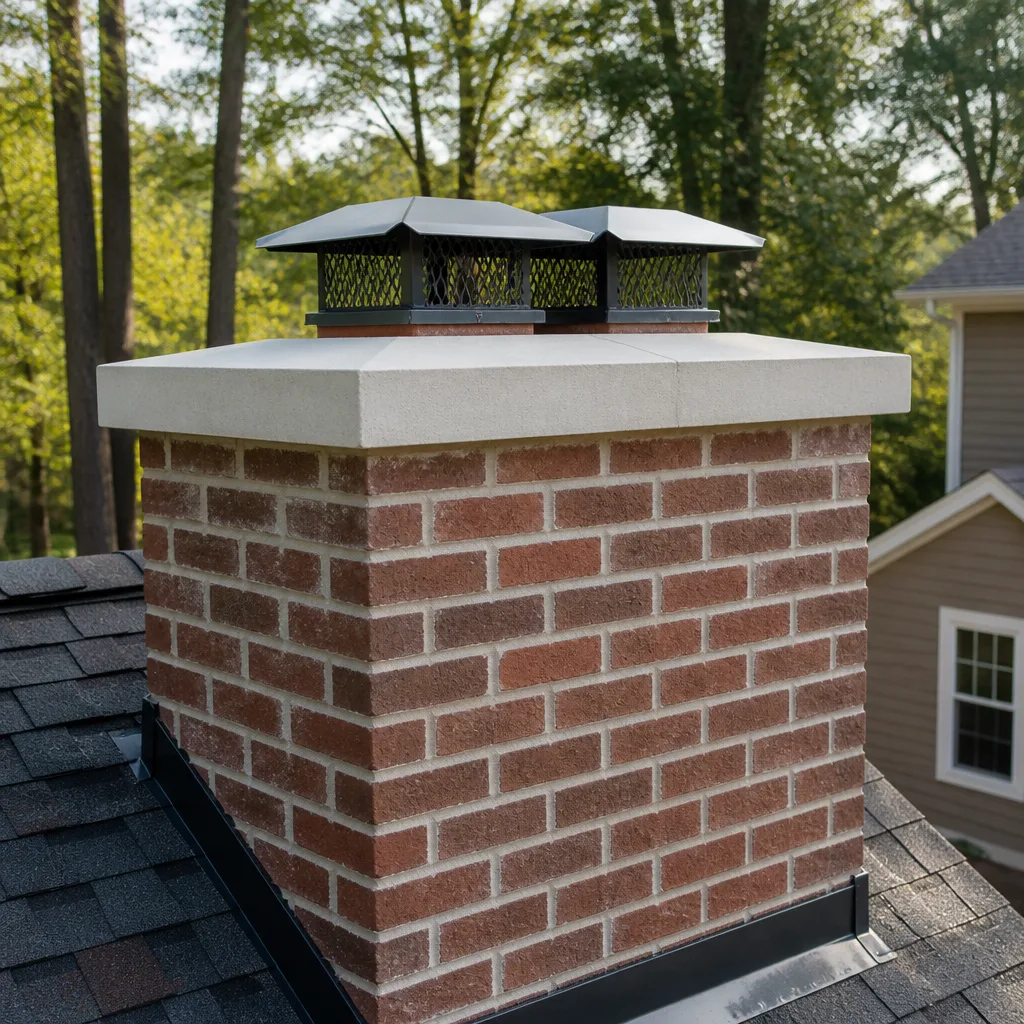 Caps & crowns
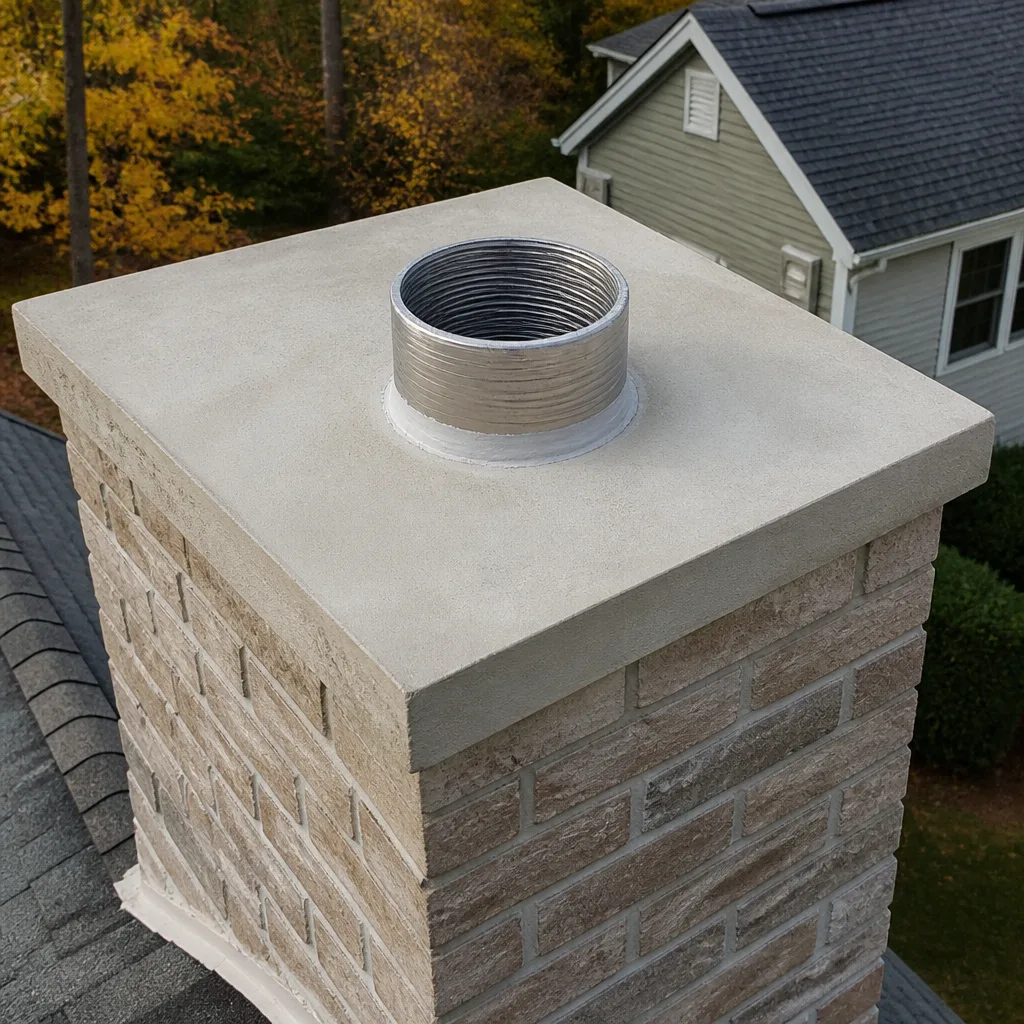 Flue relining
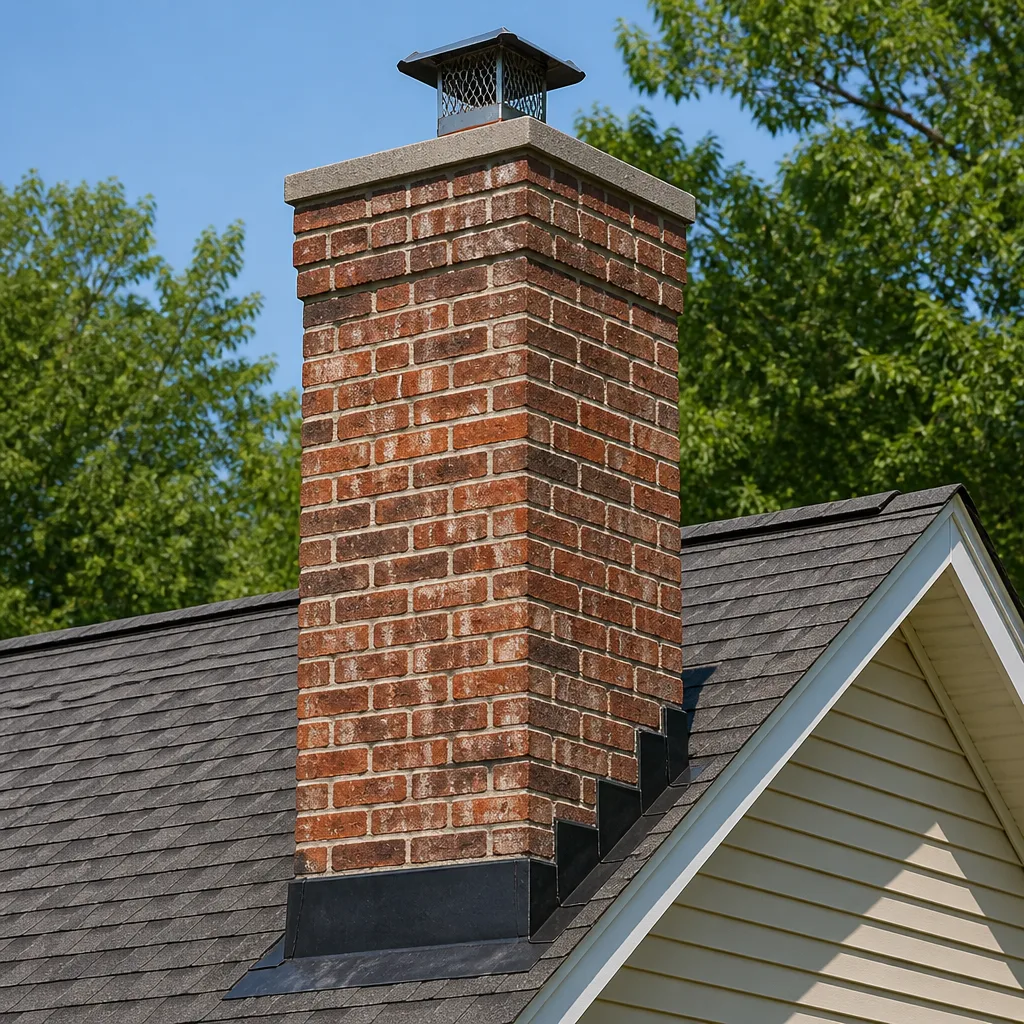 Masonry repair
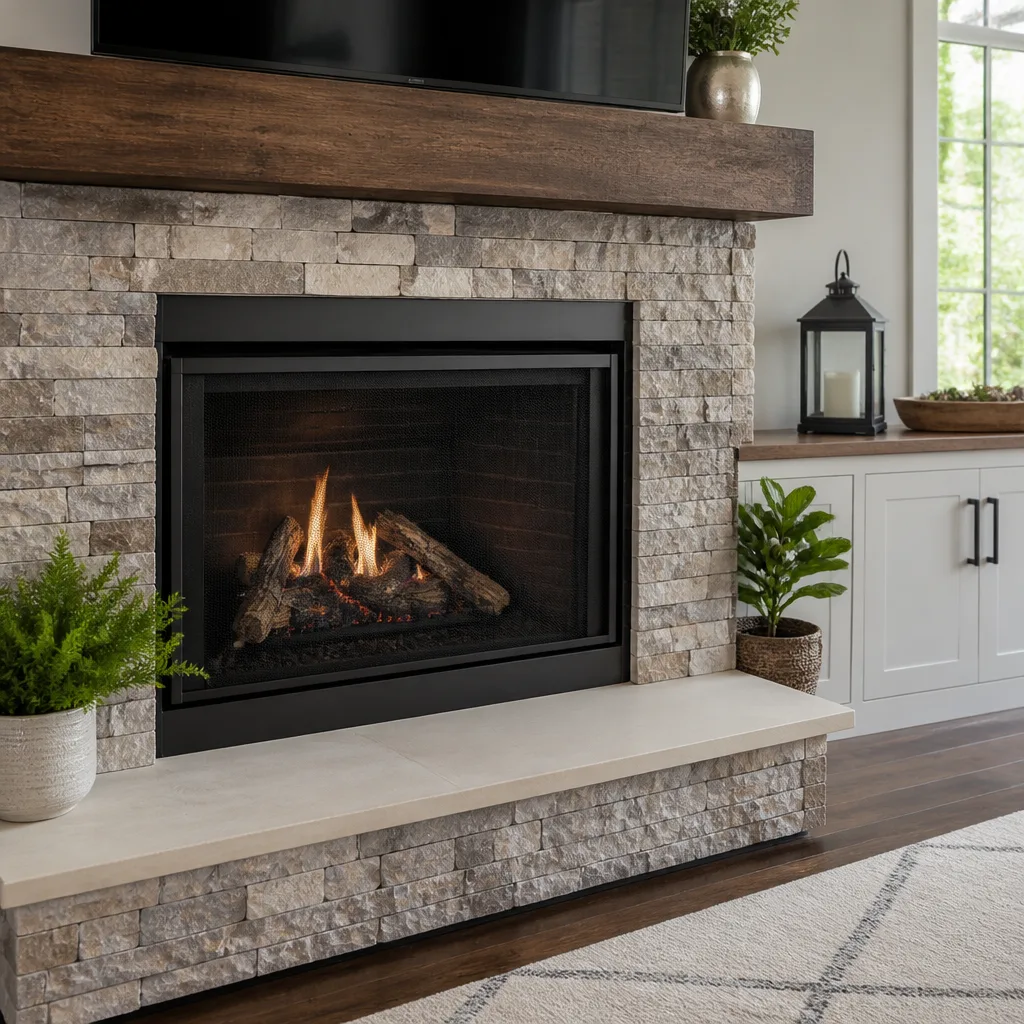 Gas fireplace service
Level 1 sweep and inspection to the NFPA 211 annual standard - flue, crown, cap, and flashing checked and photographed
Chimney sweep logs do not sweep chimneys. They loosen some creosote - which then falls where a brush and vacuum still have to collect it.
Chimney Cleaning Warning Signs: A West Hills Homeowner’s Reference Guide
Most chimney problems don’t announce themselves. They whisper. A faint smoky smell on a warm evening when the fireplace has been cold for weeks. A thin line of white powder on the brick. A puff of smoke that rolls out of the firebox instead of up the flue. Homeowners in West Hills walk past these cues every day because nobody ever told them what the cues mean. That’s the gap this guide closes. By the end, you’ll know how to read the three main signal groups – smell, smoke behavior, and visible wear – and you’ll know which of them can wait a few weeks and which one means you pick up the phone the same day.
Quick Answer
The main chimney cleaning warning signs are a smoky or acrid smell when the fireplace is off, smoke spilling or rolling back into the room, white efflorescence or rust staining on the firebox brick, crumbling mortar at the firebox or the chimney crown, and a loose or shifted cap. Any of these means the chimney needs a professional inspection: either creosote has built up past a safe level, airflow is compromised, or moisture is getting inside the flue.
Styles & brands we work with
- Sweep & inspection
- Caps & crowns
- Flue relining
- Masonry repair
- Gas fireplace service
Table of Contents
- Smell Signals, Decoded
- Smoke Behavior in the Firebox
- Visual Cues at the Firebox
- Exterior Warning Signs You Walk Past
- The One Interior Sign That Means Call Today
- How Often a West Hills Chimney Actually Needs Cleaning
- What a Professional Sweep Checks
- Common Mistakes to Avoid
Smell Signals, Decoded
Your nose is the cheapest diagnostic tool you own. A smell coming from a cold fireplace is a real signal, not an old-house quirk, and the type of smell narrows down the cause considerably. In our experience, homeowners describe three distinct odors, and each one points to a different problem.
Musty or damp smell
A musty odor that lingers near the firebox usually means moisture is getting into the chimney system. The likely culprits are a failed chimney cap, a cracked crown, or deteriorated mortar joints that let rain into the flue. Wet masonry doesn’t dry out quickly in a West Hills summer, so the damp smell can hang around for weeks. Left alone, moisture breaks down mortar and rusts the damper assembly. This is one of the signals that warrants a full inspection before winter.
Acrid, sharp, campfire-like smell
An acrid smell with a burnt, tarry edge is usually creosote. Creosote is the residue left after wood burns, and it accumulates on the flue walls in layers. Even a thin glaze of it can smell strong on a warm day when the house is closed up. Heavy creosote is also the fuel for most chimney fires, so an acrid smell on its own is reason enough to schedule a sweep. If it’s been more than a season since your last cleaning, that smell is the schedule telling you it’s due.
Sulfurous or animal smell
A rank, sulfurous smell that wasn’t there before can point to animal intrusion – birds, squirrels, or raccoons nesting in the flue. It can also point to a gas appliance venting poorly, which is a carbon monoxide concern and should be treated as urgent. If you have a gas log set or a gas appliance venting through the chimney and you smell anything unusual, ventilate the room and call a professional. Don’t run the appliance until it’s checked.
Smoke Behavior in the Firebox
A fireplace that draws correctly pulls smoke up the flue and out of the house. When that stops happening, the firebox is telling you something. Watch the fire on a normal burn and note whether the smoke leaves cleanly. Three behaviors worth recognizing:
- Backdrafting: Smoke rolls out of the firebox when you first light the fire, then settles once the flue warms. This usually points to negative pressure in the house or a cold flue. It can also mean the damper isn’t fully open or the flue is blocked.
- Slow draw: The fire burns lazily and smoke lingers in the firebox even after twenty minutes. That’s often a partially blocked flue, an undersized liner, or a flue that isn’t tall enough for the house.
- Smoke spillage during a burn: Smoke curls out into the room mid-burn, not just at startup. This is usually a damper problem, a damaged flue liner, or a flue that’s narrowed from creosote buildup. It’s the behavior that most often brings people to a professional inspection.
If you’re seeing any of these repeatedly, don’t treat it as a quirk of the fireplace. It’s a sign the chimney system isn’t performing the way it was designed to. A professional will check the damper, the flue liner, and the height of the flue relative to the roofline to figure out which condition is in play.
Visual Cues at the Firebox
The interior of the firebox and the brick immediately around it is where structural problems show up first. A homeowner who knows what to look at can spot several conditions before they escalate.
White efflorescence on brick
A white, chalky powder on the brick is efflorescence. It’s the mark of water moving through the masonry and leaving mineral deposits behind on the surface as it evaporates. Efflorescence itself is harmless to touch, but it points to moisture getting in where it shouldn’t. On a firebox that sees little use, efflorescence is a warning that the chimney’s exterior defenses need attention.
Crumbling or recessed mortar joints
If the mortar between the firebrick has receded to the point where gaps are visible, that’s called spalling. It weakens the firebox structure and lets heat and moisture into the masonry around it. Recessed joints at the firebox are worth an inspection; the fix may be as straightforward as re-pointing, or it could point to a liner that needs restoration, which is where fireplace repair becomes the right conversation.
Rust stains
Rust on the firebox or the damper assembly means water has been inside the chimney. That rust often comes from a cap that’s failed or a crown that’s cracked. A damper that won’t open smoothly or feels sticky is a common early sign. We see this in West Hills homes where a cap has aged past its service life and nobody’s looked up at the chimney since the house was built.
Exterior Warning Signs You Walk Past
The most expensive chimney repairs usually start as something visible from the yard. Homeowners walk past these signs for years because the chimney is above eye level and out of habit. A five-minute look from the driveway with a pair of binoculars or the camera on your phone will catch all of it.
Crown cracking
The crown is the concrete cap on top of the masonry chimney. Its whole job is to shed water away from the flue. Hairline cracks in the crown are common and get worse with each wet season. A cracked crown lets water soak into the chimney structure, which sets up the efflorescence and mortar problems mentioned above. Crown repair or a full crown rebuild is often the least expensive way to prevent thousands of dollars in liner and masonry damage later.
Mortar joint erosion at the stack
Look at the joints between the bricks on the exterior of the chimney. If the mortar is receding, crumbling, or missing in spots, that’s erosion from normal weathering. Left alone, the brick itself starts to shift and the chimney loses structural integrity. Re-pointing the mortar joints is a routine fix; ignoring them isn’t.
Cap displacement
A chimney cap that’s tilted, sitting at an angle, or missing is a red flag, especially after a strong wind event. A displaced cap lets rain, birds, and debris into the flue. A damaged cap also means the flue is exposed to whatever the weather sends down. We carry professional-grade cap and crown materials from brands like Gelco and Olympia Chimney so the fix stays in place through West Hills winds rather than rattling loose again in a season. See chimney cap & crown for what the installation involves.
The One Interior Sign That Means Call Today
Most chimney warning signs mean schedule a service. One sign means stop using the fireplace and call now, and it’s easy to miss if you don’t know what you’re looking at. The sign is visible black staining above the firebox opening that wasn’t there before.
This staining often looks like a smear of soot around the top edge of the firebox or on the wall above it. It indicates that smoke, and possibly flame, has been escaping the firebox during burns. That means the fire is not being contained the way it needs to be. Causes range from a badly blocked flue to a damaged liner to an improperly sized firebox for the liner. Any of these is a fire risk.
Stop using the fireplace. Don’t burn another fire until a professional has inspected the chimney. If the staining appeared suddenly – a single burn, not a slow accumulation over years – treat it as an urgent situation and get on the phone. This is the moment when being a bit overcautious costs nothing and being a bit too relaxed could cost everything. Carbon monoxide is the other risk here: a compromised flue can push combustion gases back into the living space. If anyone in the house is feeling headaches, dizziness, or nausea when the fireplace is running, get everyone outside and call for help right away.
How Often a West Hills Chimney Actually Needs Cleaning
The short answer is: any chimney that sees regular use should be inspected once a year and cleaned when the inspection shows it’s needed. For most wood-burning fireplaces in active use, that works out to a sweep every one to two years. A gas appliance venting through the chimney should still be inspected yearly, even though it doesn’t produce creosote the way wood does.
West Hills winters are mild, and that changes the picture slightly from colder parts of the country. Fireplaces here often see a dozen burns a season rather than a daily fire for months. Creosote builds more slowly – but it also dries into a harder, glazed form between seasons, and that glazed creosote is tougher to remove than the fresh kind. Skipping a season here doesn’t feel risky because the fire isn’t running constantly, but the glaze still accumulates. By the time an acrid smell shows up, you’re often looking at a sweep that takes extra time, or a liner restoration with a product like HeatShield.
A few practical rules of thumb that hold up in West Hills:
- Inspect once a year, no matter how often you burn.
- Sweep when the inspection shows a quarter inch or more of creosote buildup, or when the fire stops drawing cleanly.
- After any chimney fire, even a small one you think put itself out, get the chimney inspected before the next burn.
- Before each heating season, do a visual check of the cap and crown from the yard.
If you have a gas fireplace or gas log set venting through a masonry chimney, the schedule is the same. Different fuel, same system to protect. From annual chimney sweep to liner restoration, the goal is to catch problems while they’re still small.
What a Professional Sweep Actually Checks
A proper chimney inspection is more than a sweeping brush on a pole. A professional walks the whole system and looks for the conditions described above. Here’s the checklist a thorough inspection covers, and what a West Hills homeowner should expect to hear a technician talk about when they finish.
- Firebox condition: Firebrick, mortar joints, and the condition of the firebox walls.
- Damper operation: Whether the damper opens and closes smoothly and seats correctly when closed.
- Flue interior: Creosote level, glaze, and any obstruction like a nest or debris.
- Liner condition: Cracks, gaps, or missing sections in the liner – especially important on older masonry chimneys.
- Smoke chamber and shelf: The transition zone between the firebox and the flue, which is often where the creosote sits heaviest.
- Cap and crown: A visual check from the roof, with photos for the homeowner.
- Exterior masonry: Mortar joints, spalling brick, and any sign of structural movement.
- Draft check: A smoke test or pressure reading to confirm the flue is pulling the way it should.
At the end, you should have a clear picture of what’s working and what isn’t. If a liner is worn but not failed, restoration with a product like HeatShield can resurface it without a full replacement. If the liner has cracks or gaps, a full reline using a flexible system from DuraFlex may be the right answer. Both are real options, and which one fits depends on what the inspection actually finds.
Common Mistakes to Avoid
- Treating a smoky smell as an old-house quirk. A smell that wasn’t there before means something changed. Ignoring it usually means the problem grows until it’s structural.
- Burning unseasoned wood to “use up” what’s left over. Green or wet wood makes more creosote than dry wood. That puts the flue on an accelerated cleaning schedule.
- Skipping the inspection because you cleaned the chimney recently. A cleaning and an inspection are different services. The cleaning removes buildup; the inspection catches the structural stuff that sweeping doesn’t.
- Assuming a gas fireplace doesn’t need inspection. Gas venting systems still need a yearly check. Carbon monoxide risk doesn’t depend on whether the fire is wood or gas.
- Looking at the chimney from the ground only. Crown cracks and mortar erosion at the stack are hard to see from the driveway unless you actually look carefully. A phone camera zoomed on the chimney top is worth a minute of anyone’s time.
- Hiring a handyman for chimney work. Chimney systems are their own trade. Liner installation, crown rebuilds, and fireplace repair need the right tools and the right materials, which is why we work with brands like DuraFlex and Olympia Chimney rather than whatever the hardware store has on the shelf.
- Waiting on a soft sign and ignoring a hard one. Musty smell? Probably fine to schedule a normal appointment. Black staining above the firebox? That’s a stop-and-call situation.
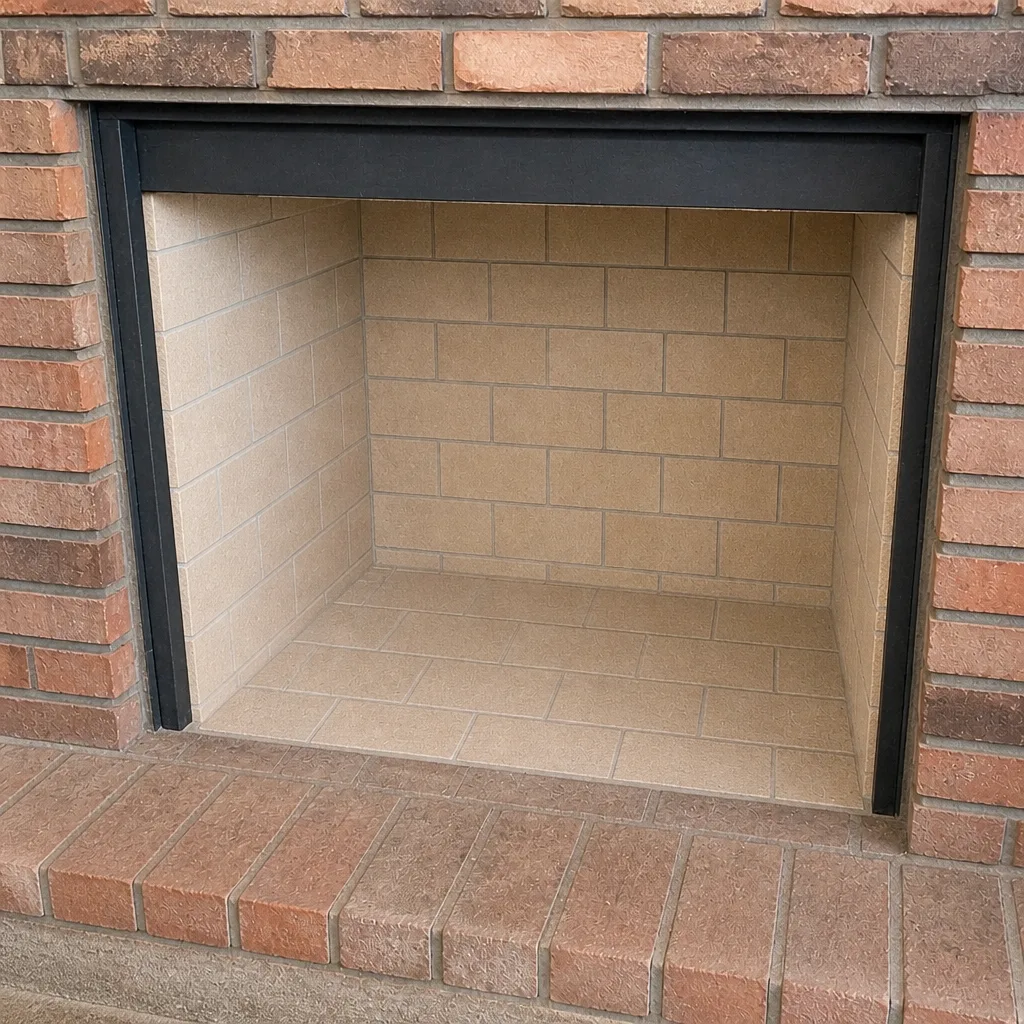
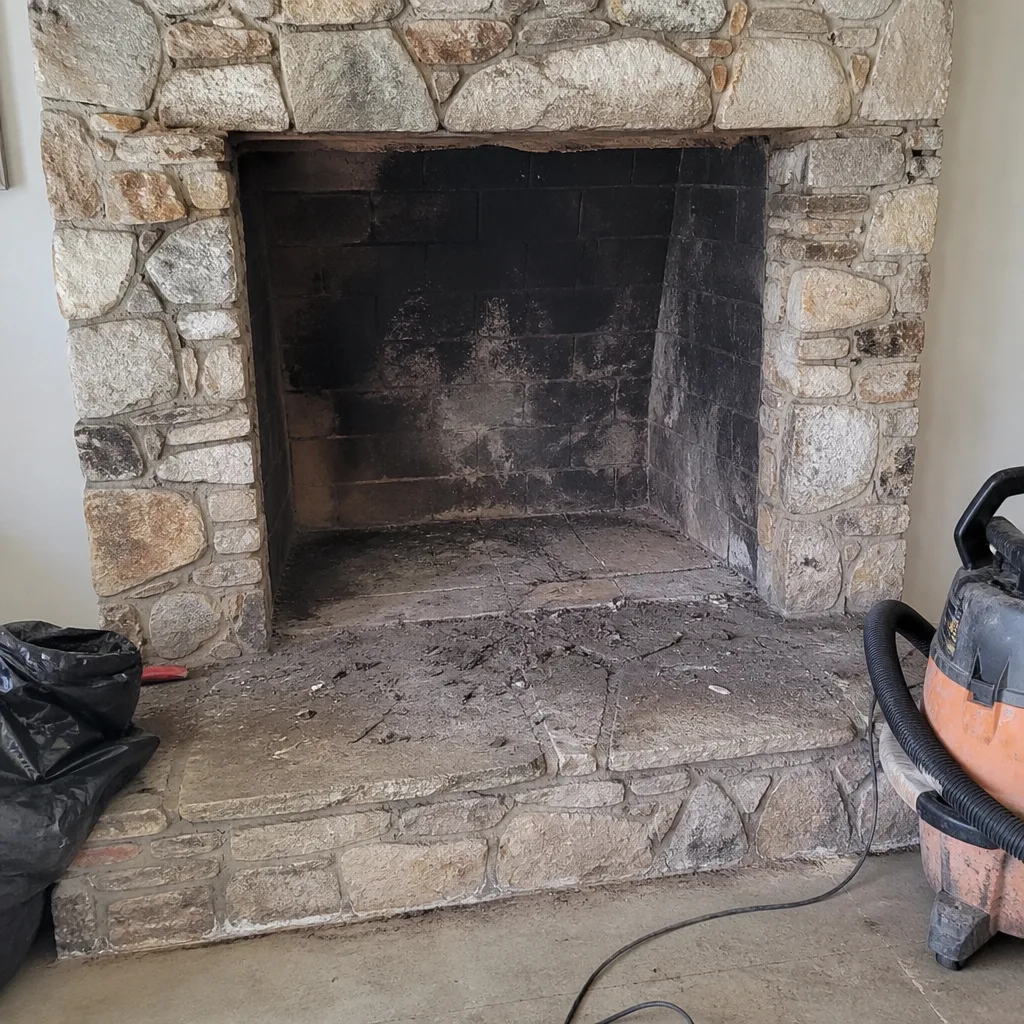
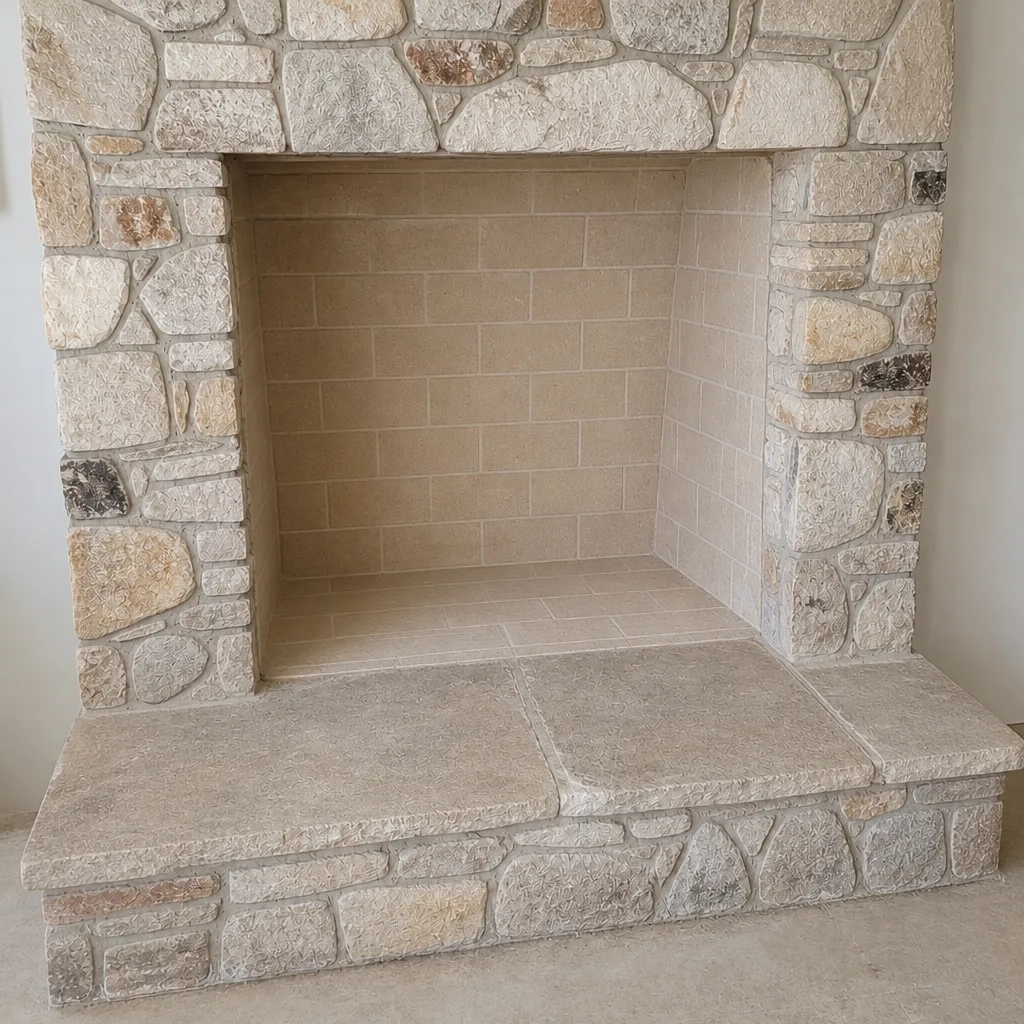
See the difference
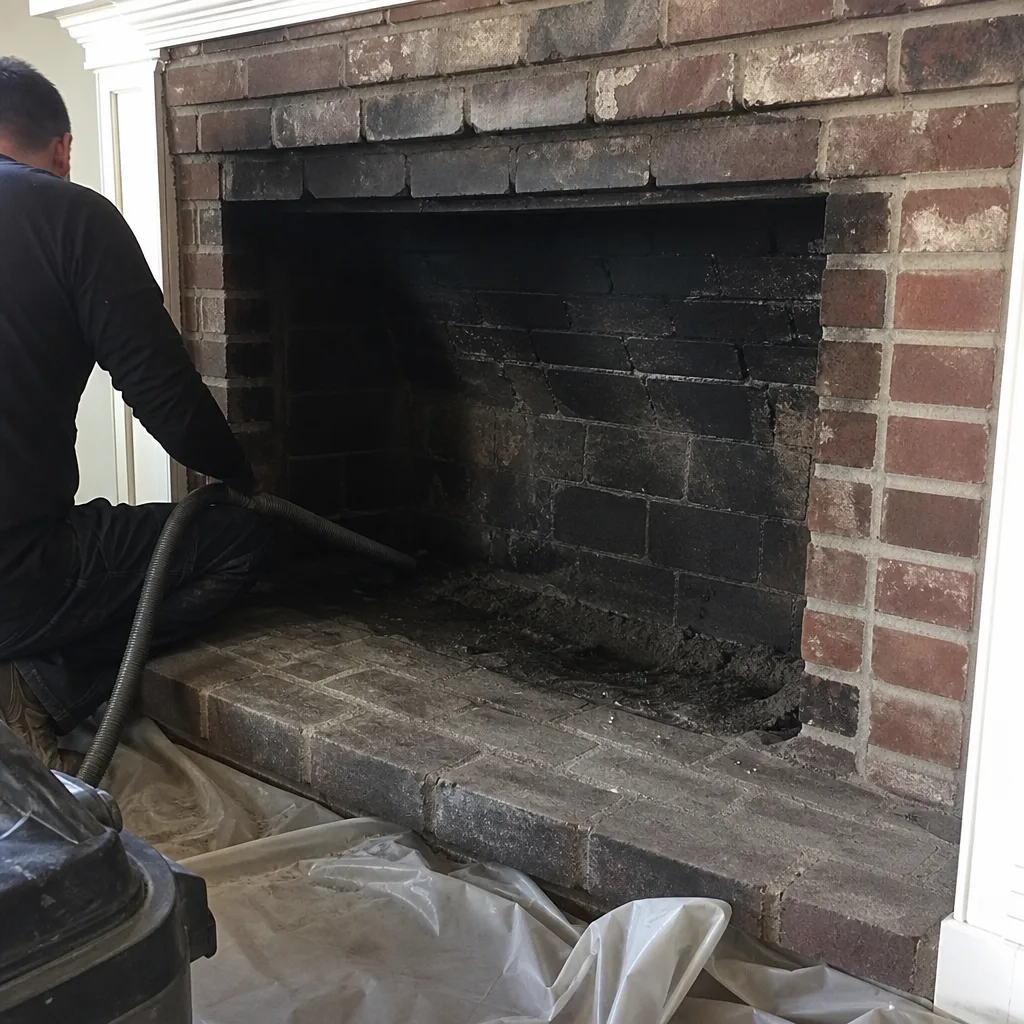 Before
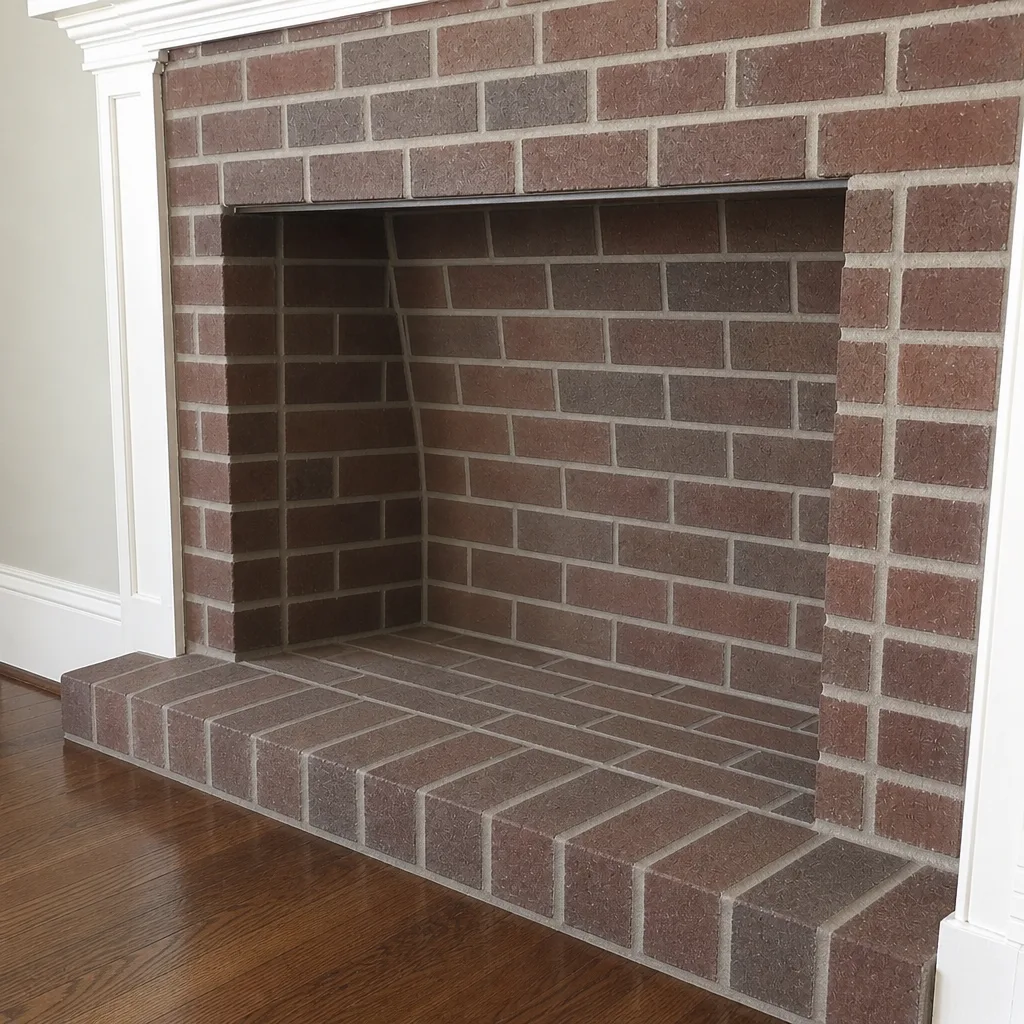 After
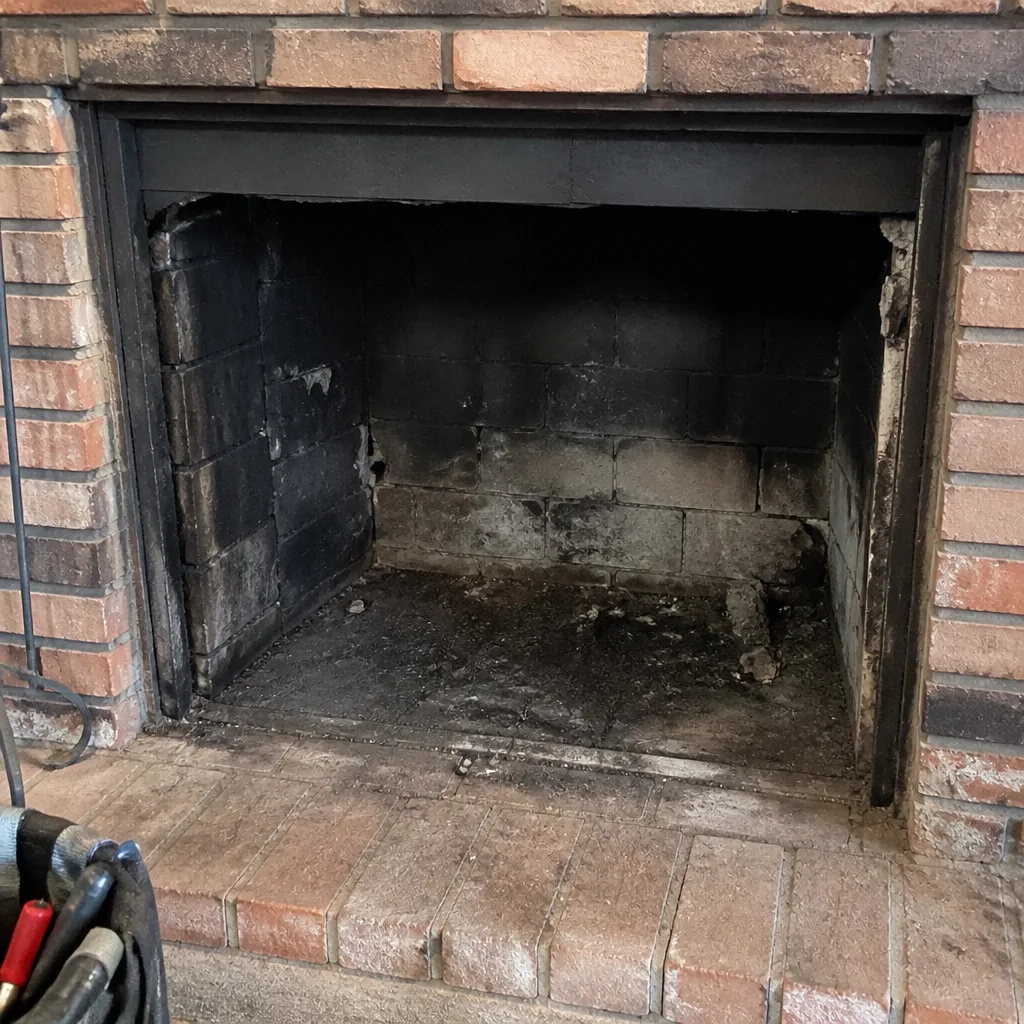 Before
 After
 Before
 After
When to Call a Professional
Call a professional chimney specialist when you spot any of the signals above. The clearest triggers are black staining above the firebox opening, smoke spilling into the room during a burn, a sulfurous or chemical smell with a gas appliance, or a chimney cap that’s clearly displaced after wind. Those warrant prompt attention. For a musty smell, an acrid smell, or visible mortar or crown wear, a normal service call is the right move – schedule it before the next heating season starts.
Chimney Sweep West Hills offers free estimates in West Hills – call (855) 337-1817. We answer 24/7. Fast dispatch from 7am to 7pm, Sunday through Friday. Our technicians have up to 9 years of experience reading the same cues covered in this guide, and the inspection gets photographed so you see exactly what we see before any work is recommended. If you’re due for a sweep and inspection, start with the Chimney Sweep West Hills overview to see what the full service covers.
Frequently Asked Questions
Your chimney needs sweeping when the flue has accumulated a quarter inch or more of creosote, when the fire stops drawing cleanly, or when you notice an acrid smell on warm days. The clearest sign is an inspection that shows buildup. Call (855) 337-1817 for an exact assessment and a written estimate.
A smoky smell from a cold fireplace is not usually dangerous on its own – it points to negative pressure or creosote buildup, and both are fixable. That said, an acrid smell plus smoke backing into the room during a burn is a stronger signal and warrants prompt attention. Call (855) 337-1817 to schedule an inspection.
Inspect yearly and clean whenever the inspection shows buildup. For most wood-burning fireplaces in West Hills, that works out to a sweep every one to two years. Gas appliances that vent through the chimney should still be inspected once a year. Call (855) 337-1817 to schedule.
Yes. A cracked crown lets water into the chimney structure, which sets up efflorescence on the firebox brick, erodes mortar joints, and rusts the damper assembly. Crown repair now prevents the more expensive liner and masonry work later. Call (855) 337-1817 for an estimate on a cap and crown check.
A sweep removes creosote and debris from the flue; an inspection is the diagnostic check of the whole system – firebox, damper, flue, liner, cap, crown, and exterior masonry. You need both at different times. A cleaning without an inspection misses structural problems that a brush can’t see. Call (855) 337-1817 to schedule both.
Yes. A gas appliance venting through a chimney still needs a yearly inspection, because carbon monoxide risk and vent condition are separate concerns from wood-fire creosote. A poorly venting gas appliance can push combustion gases back into the living space. Call (855) 337-1817 to book a check.
The Bottom Line
The chimney’s warning signs are quiet, but they’re specific. A smoky smell, a lazy draw, a spill of smoke into the room, white efflorescence, rust, crumbling mortar, and a displaced cap each point to a different condition – and knowing the difference matters when you’re deciding whether to schedule a normal visit or call today. The one sign that always warrants a same-day call is fresh black staining above the firebox opening. Everything else is on a normal service schedule, and the inspection is what turns a vague worry into a clear answer. A clean chimney is the starting point, not the finish line. Protect the flue, protect the home, and get the inspection done before the next burn.
Call (855) 337-1817 for a free estimate. We answer 24/7. Fast dispatch from 7am to 7pm, Sunday through Friday.
Written by the team at Chimney Sweep West Hills.