
Last updated November 22, 2026
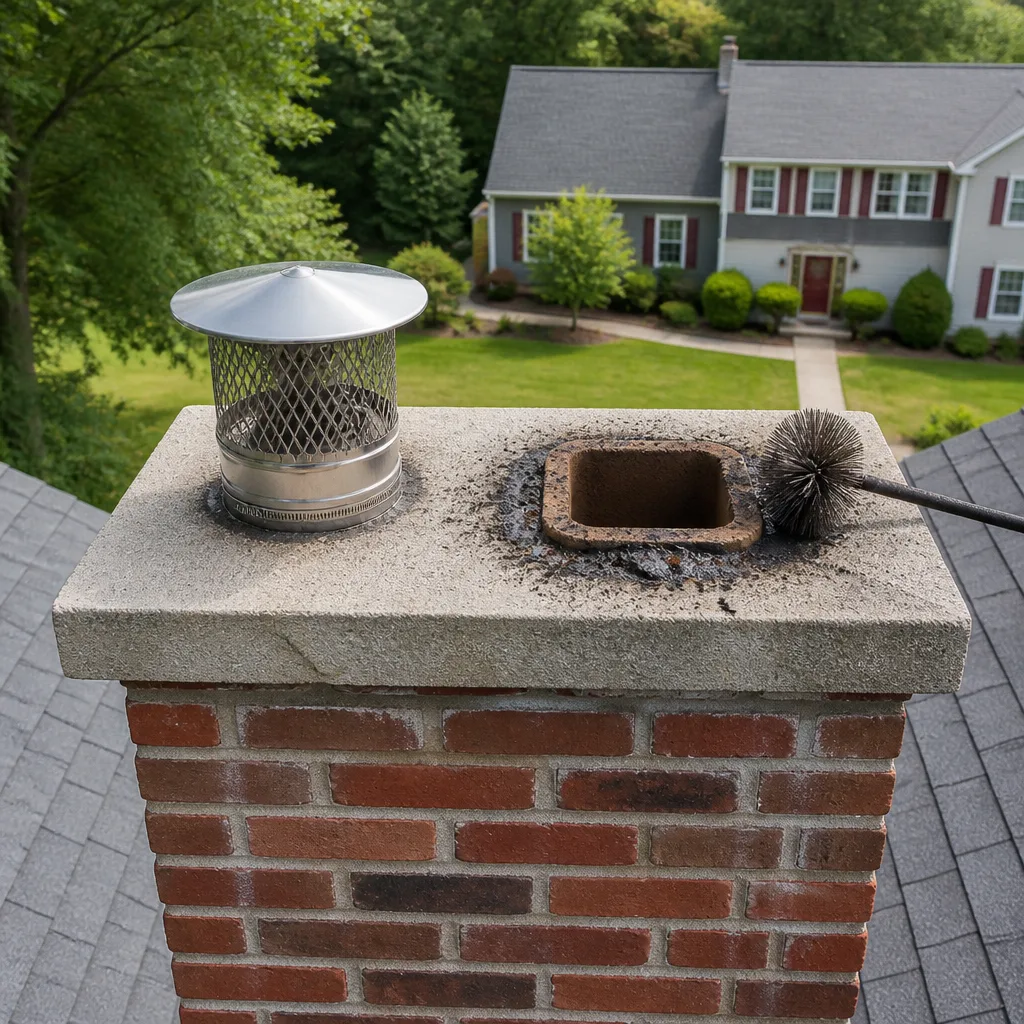 Sweep & inspection
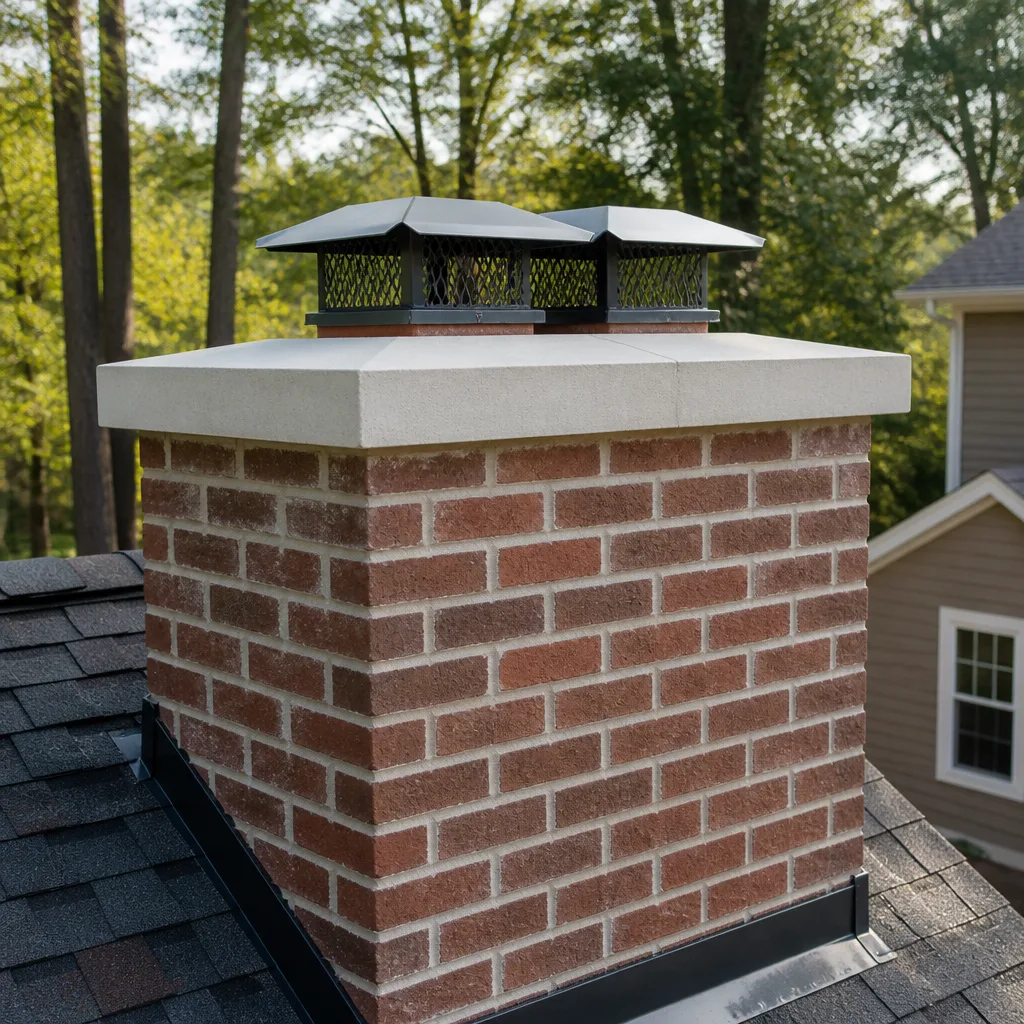 Caps & crowns
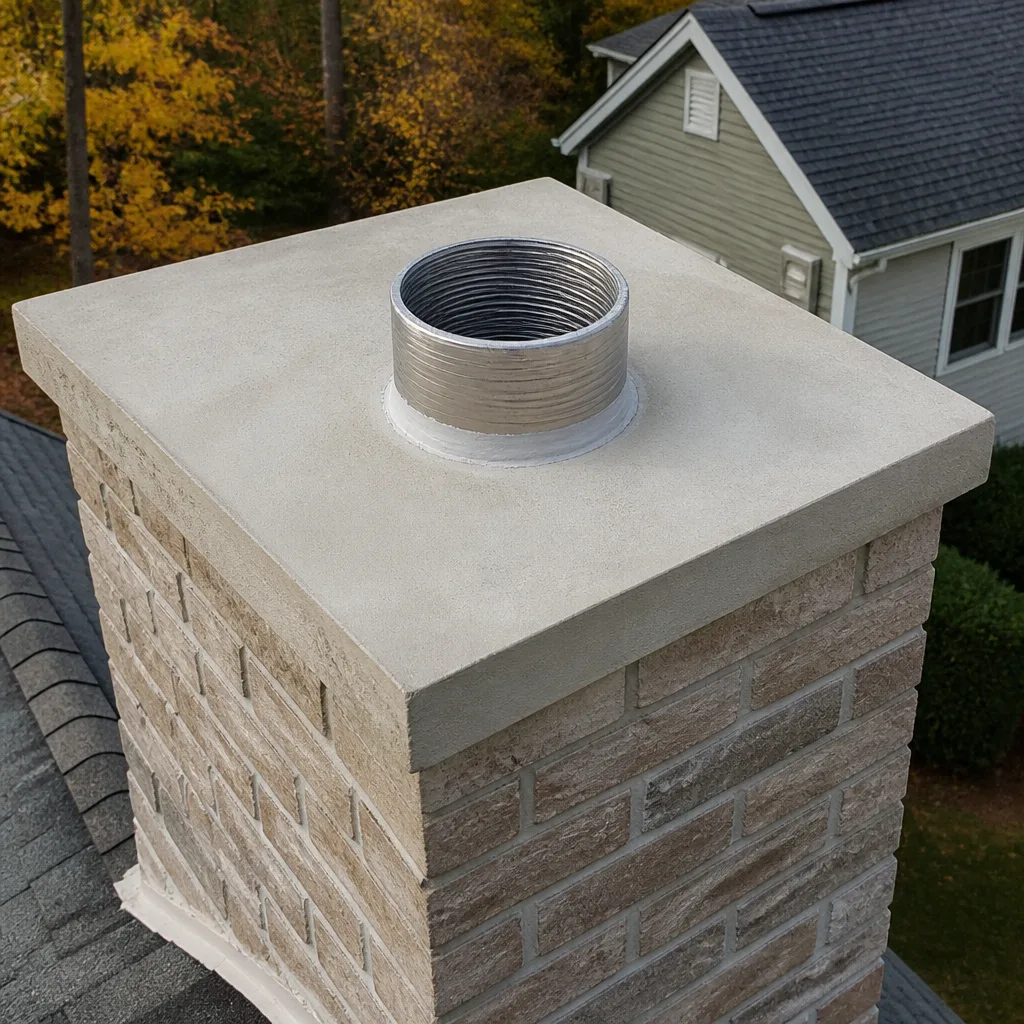 Flue relining
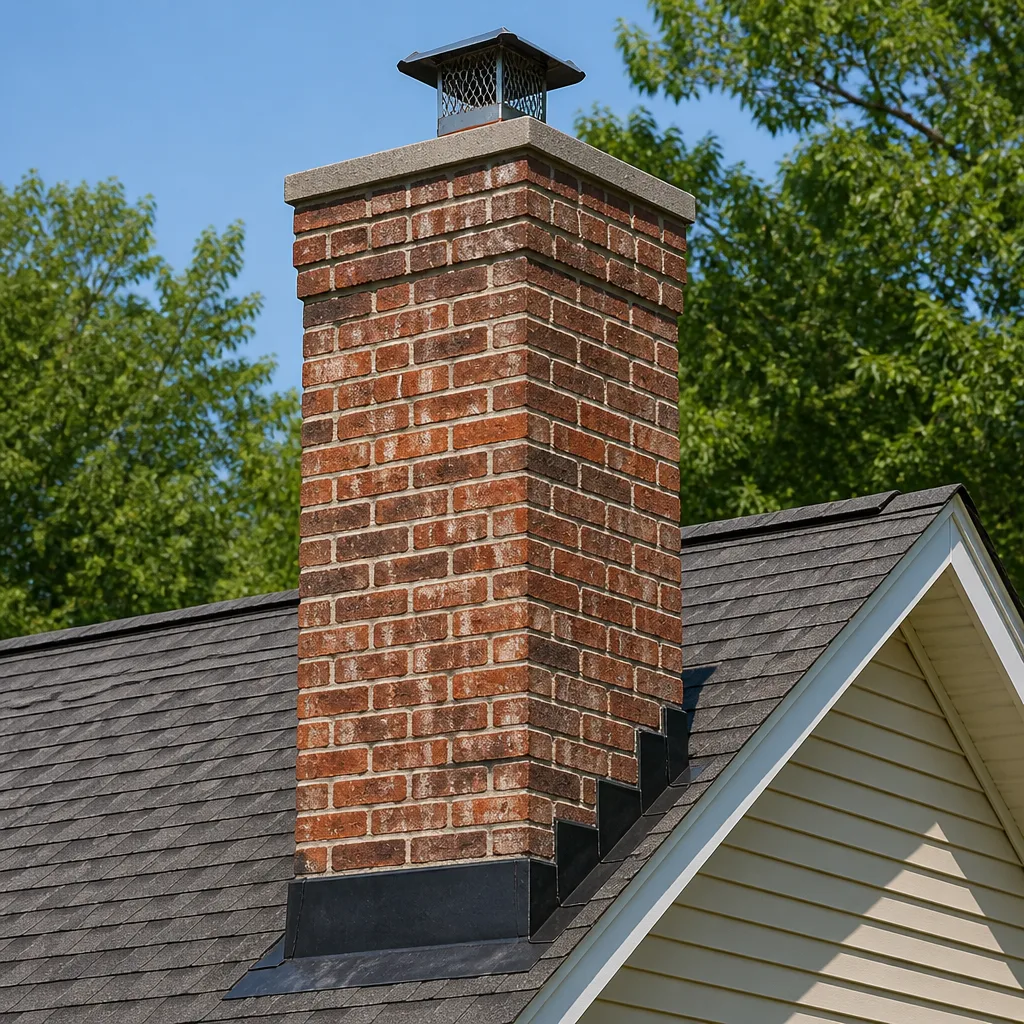 Masonry repair
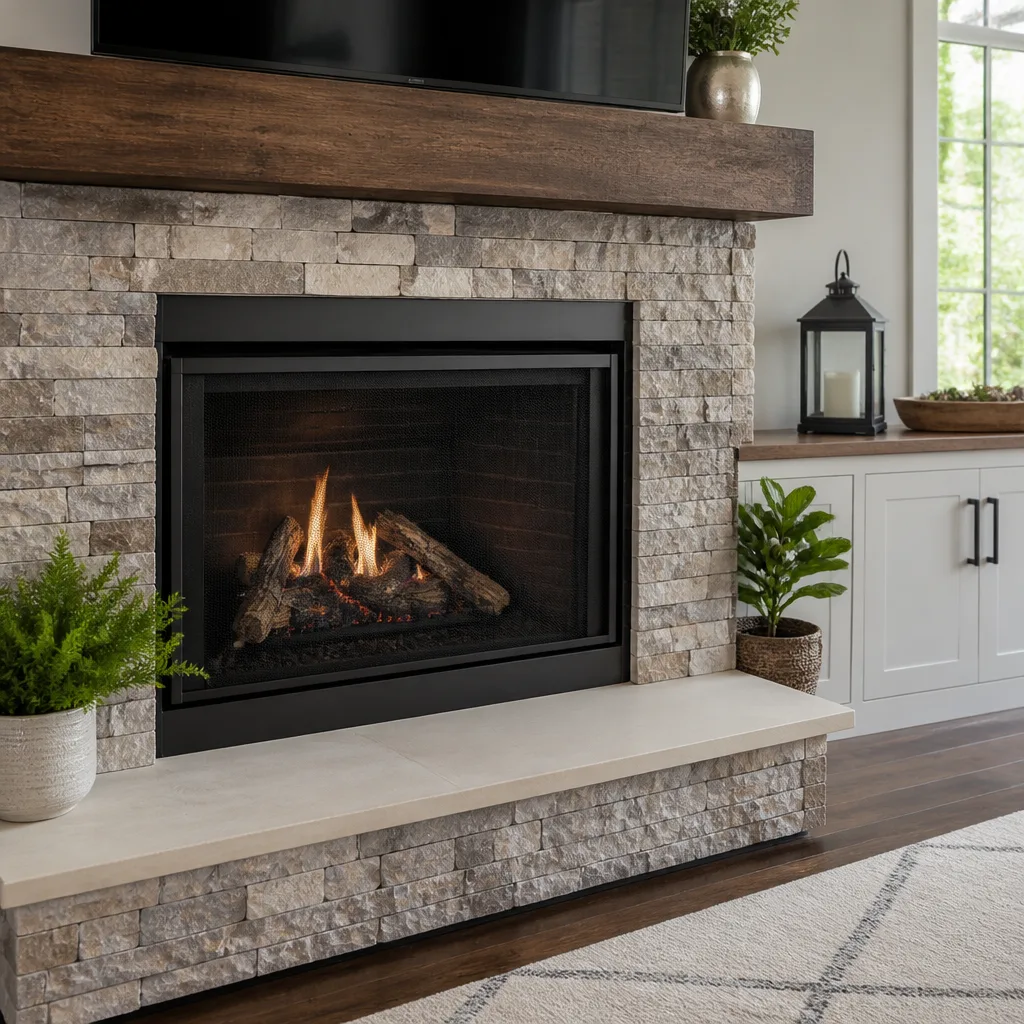 Gas fireplace service
Level 1 sweep and inspection to the NFPA 211 annual standard - flue, crown, cap, and flashing checked and photographed
Chimney sweep logs do not sweep chimneys. They loosen some creosote - which then falls where a brush and vacuum still have to collect it.
Chimney Cleaning Permits, Codes & Inspections in West Hills, CA: What You Need to Know
A chimney sweep doesn’t need a permit. A chimney repair often does. That line confuses a lot of West Hills homeowners, and some contractors prefer to keep it blurry. Routine sweeping and Level 1 inspection sit outside the permit process entirely. The moment work moves into relining, firebox reconstruction, or structural repair, Los Angeles County’s building codes apply, and skipping that step creates problems nobody explains until a home sale stalls. This guide walks through where the exemptions end, what the county actually reviews, how our regional air quality rules shape maintenance decisions, and the paperwork you should request from anyone doing repair work on your chimney in West Hills.
Quick Answer
Routine chimney cleaning and inspection in West Hills do not require a building permit. Liner replacement, relining, firebox reconstruction, structural chimney repair, and gas insert installation generally do require one under Los Angeles County building codes. If a sweep reveals damage and someone proposes repair work, ask in writing whether a permit is required and who is pulling it before any work begins.
Styles & brands we work with
- Sweep & inspection
- Caps & crowns
- Flue relining
- Masonry repair
- Gas fireplace service
Table of Contents
- Which chimney services are permit-exempt in California?
- Which chimney repairs need a permit in West Hills?
- How Los Angeles County building codes apply to West Hills chimneys
- California Title 24 and air quality rules that affect your chimney
- What the inspection process looks like from start to finish
- Why unpermitted repairs matter at the time of a home sale
- What to ask for in writing before repair work begins
- How to check whether prior chimney work was permitted
Which chimney services are permit-exempt in California?
Routine chimney cleaning and visual inspection do not need a building permit anywhere in California, including West Hills. These are considered maintenance and evaluation activities, not construction. A chimney sweep removes creosote, soot, and obstructions from the flue. An inspection documents the condition of the flue, firebox, damper, cap, crown, and exterior masonry. Neither one alters the structure of the chimney, so neither triggers review.
Here’s how the line typically falls:
- Permit-exempt: routine sweeping, Level 1 visual inspection, Level 2 camera inspection, cap replacement, minor crown patching, damper adjustment, and removal of blockages such as bird nests or leaf debris.
- Usually permit-required: full liner replacement, HeatShield flue resurfacing where it changes the flue system, firebox reconstruction, chimney stack rebuilds, and structural repair to the chimney chase or foundation.
- Permit-required by state code: gas insert or appliance installation and any change to the venting system, since those fall under the California appliance and venting regulations.
- Gray area: masonry crack repair, mortar joint repointing, and chimney cap masonry, which may or may not require a permit depending on scope. When in doubt, ask the West Hills building department before work starts.
The gray area is where honest contractors and shortcut contractors part ways. A small cosmetic repair usually doesn’t need review. A structural repair dressed up as “just a bit of patching” often does. In our experience, the homeowner finds out years later, usually when a buyer’s inspector asks for documentation. When we do a chimney sweep, we document the condition of the flue and flag anything that sits in that gray zone before anyone quotes repair work.
Which chimney repairs need a permit in West Hills?
Any chimney work that changes the structure or the venting system of the home typically requires a permit through Los Angeles County. That includes full relining with a flexible liner system, firebox reconstruction, chimney stack repair, and installation of a new gas appliance or insert. The code exists because these projects affect fire safety and carbon monoxide venting, and the county wants a third set of eyes on the finished work.
What that means in practice:
- The contractor pulls the permit before work begins. The permit is in the homeowner’s name with the contractor listed; you should see the number.
- The county inspects at one or more points during the project. For a reline, that usually means after the liner is installed but before the chimney is closed up.
- The inspector verifies that the liner is correctly sized, properly connected to the appliance, and installed per the manufacturer’s instructions. Different liner systems, including DuraFlex flexible liners and HeatShield resurfacing, have specific installation requirements the county checks against.
- The final inspection closes the permit. The homeowner should receive a copy of the signed-off permit.
A full reline is a serious project. When we install a DuraFlex liner system, we size it to the appliance, not to whatever fits the flue. That’s the difference the county inspector is looking for. A liner that’s too large for the appliance performs badly. A liner that’s too small doesn’t vent safely. Getting this right the first time is why relines belong with a specialist rather than a general handyman. For the broader scope of chimney repair work, the process runs the same way.
How Los Angeles County building codes apply to West Hills chimneys
West Hills sits within the City of Los Angeles, and chimney work here is governed by the Los Angeles Building Code, which incorporates the California Building Code, the California Mechanical Code, and the California Residential Code with local amendments. The county and city review chimney and venting work under those rules. This is the framework that determines whether your project needs a permit and, if so, what the inspector will check.
The core requirements most homeowners run into with chimney repair in West Hills:
- Flue liner requirement: every masonry chimney serving a solid-fuel appliance must have a listed liner installed to the manufacturer’s instructions. Unlined chimneys are not compliant.
- Clearances to combustibles: the chimney must maintain the required clearance to wood framing and other combustible materials. Most older homes in West Hills meet this, but repairs sometimes fail it.
- Venting and termination: the chimney must terminate at the correct height above the roof and nearby structures. Caps and crowns are part of this equation, and questions about the type of chimney cap & crown used come up during inspection.
- Seismic considerations: Los Angeles County code includes seismic provisions, and tall masonry chimneys are subject to those. A stack repair is a good time to confirm the chimney is properly braced.
Most of the homes here are mid-century builds, many with original masonry fireplaces and some with prefab units from later decades. Age matters less than condition. A 1950s chimney that’s been maintained can be perfectly compliant. A 1990s prefab that’s been ignored can have serious venting problems. In our experience doing inspections across West Hills, the code questions come up most often when a cleaning reveals something structural, and that’s exactly when the permit conversation should happen.
California Title 24 and air quality rules that affect your chimney
California Title 24 sets energy efficiency standards, and while it doesn’t regulate your chimney sweep directly, it does regulate gas appliance installation and venting changes. Any new gas fireplace insert, gas log set, or venting modification must meet Title 24 requirements, and that’s part of what the permit review covers. If a contractor offers to install a gas insert “off the books,” that’s a red flag. The appliance needs a permit and the venting needs to be verified.
The bigger rule most West Hills homeowners hear about is the SCAQMD wood-burning curtailment. The South Coast Air Quality Management District regulates wood smoke in the Los Angeles basin, and on designated no-burn days, wood burning in fireplaces and wood stoves is prohibited. These days happen most often during cooler months when atmospheric conditions trap smoke close to the ground. The rule exists because wood smoke is a significant contributor to fine particulate pollution in the basin.
What does that have to do with chimney maintenance? A few things:
- Curtailment days push many West Hills homeowners to burn gas instead of wood, which changes the way the flue is used and sometimes accelerates liner deterioration on older masonry chimneys.
- Because wood burning is limited to fewer days, some homeowners skip the annual sweep, thinking the reduced burning doesn’t create enough creosote. It does. Even occasional burning produces deposits, and a partially closed flue from a blocked cap lets those deposits build up faster.
- If you’re considering a gas insert to sidestep curtailments, the install requires a permit and proper venting, so the maintenance schedule doesn’t go away.
SCAQMD also runs a wood stove and fireplace exchange program from time to time. We don’t administer it and won’t tell you it’s guaranteed to be available. If you’re considering an appliance change, ask the county about current programs before you commit to anything. The important point for chimney care is that curtailment rules make maintenance more important, not less.
What the inspection process looks like from start to finish
A professional chimney inspection in West Hills follows a clear sequence. The Chimney Safety Institute of America defines three inspection levels, and the level you need depends on what’s going on with your chimney. A routine annual inspection for a wood-burning fireplace that’s been maintained is a Level 1. A Level 2 is required when you’ve had a chimney fire, are buying or selling a home, have changed appliances, or are having repair work done. A Level 3 happens when a hidden hazard needs investigation, and that sometimes means opening up part of the chimney structure.
Here’s how a typical Level 2 inspection goes in a West Hills home:
- We start with the firebox and work our way up. Visual check of the firebox, damper, smoke shelf, and the first few feet of flue.
- A camera goes up the flue to document the liner’s condition, look for cracks, gaps, or heavy glaze creosote, and check the flue’s connection to the appliance.
- We go up on the roof to check the cap, crown, flashing, and the top of the flue. Water intrusion almost always shows up here first.
- We photograph everything and put together a written report with the images. You should see what we see.
- If we find damage, we tell you which repairs need a permit, which don’t, and which can safely wait. We don’t recommend work you can’t verify.
The photo report matters more than homeowners realize. If a contractor tells you the liner is failing, you should be able to look at a picture of the failing liner and understand why. If the report is verbal, or the photos are blurry, or the recommendation comes without documentation, that’s a reason to get a second opinion. A professional inspection is the foundation for everything else, and the Chimney Sweep West Hills team treats it that way: diagnosed correctly the first time, before any work begins.
Why unpermitted repairs matter at the time of a home sale
Unpermitted chimney repairs become a problem during a real estate transaction. When a buyer’s home inspector flags recent chimney work without documentation, the seller has to prove the work was done to code or tear it out and redo it. In the Los Angeles market, where a home inspection often triggers a cascade of follow-up requests, a permitted chimney repair with a paper trail is worth far more than an undocumented one. It also protects the seller from liability if a later problem develops.
What buyers’ inspectors tend to look for in West Hills:
- Recent mortar that looks newer than the surrounding masonry, with no record of repair.
- Liner materials that don’t match the vintage of the chimney, suggesting a reline.
- A cap or crown installed without a visible permit history, especially on older homes.
- Any structural change to the chimney stack that isn’t reflected in the home’s records.
- Appliance changes, such as a converted wood fireplace now running gas, without documentation.
If you’re buying a West Hills home with a chimney, request the permit history for the address through the Los Angeles Department of Building and Safety. If the seller can’t produce it, treat the chimney work as suspect and inspect accordingly. If you’re selling, get the permit history in order before you list. The cost of a proper permit now is small compared to the negotiating leverage you lose when a buyer’s inspector starts asking questions.
What to ask for in writing before repair work begins
Any contractor doing chimney repair work in West Hills should be willing to answer four questions in writing before starting. If they won’t, that answers one of them for you. These aren’t unusual requests. They’re the basics any honest contractor expects.
Ask for:
- A written scope of work. What exactly is being replaced or repaired, what materials, what method. “Relining the chimney” is not a scope. A specific liner system sized to your appliance, installed per the manufacturer’s specification, is a scope.
- A statement about whether a permit is required. Either “permit not required for this scope, per [code section or reasoning]” or “permit will be pulled, number will be provided before work begins.” A contractor who can’t answer this doesn’t know the code.
- Evidence of the damage. Photos or video of the actual failing component, not a general photo of a chimney. If they can’t produce the image, the recommendation isn’t verified.
- The contractor’s contact information and a written estimate. Per-job pricing, not a verbal ballpark. The written estimate sets the final price, so it should be specific.
We provide the photo report and written estimate up front as part of our inspection. That’s the standard a homeowner should expect from anyone working on a chimney. Protecting the flue starts with protecting the homeowner from unfinished paperwork. When we schedule a fireplace repair, the scope and permit question are on the estimate before the appointment, not after.
How to check whether prior chimney work was permitted
You can check permit history on any West Hills property through the Los Angeles Department of Building and Safety’s online records, usually by address. Look for permits related to chimney, fireplace, masonry work, or appliance installation. Not every permit will be titled “chimney,” so search broadly. If you find permits for the chimney, the record will show the scope, the contractor, and the inspection status.
If the property has no chimney permit on file but the chimney looks newer than the house, that’s an open question worth asking. It doesn’t mean the work was bad. Plenty of older repairs predate the current permit records or were done as maintenance rather than construction. But it does mean you can’t take the work’s compliance on faith. An inspection can tell you the condition of the chimney today. The permit record tells you whether it was installed to code. Both matter.
We run this check as part of the inspection when a homeowner asks. Sometimes the answer is reassuring: past work was done properly, everything’s fine. Sometimes it reveals a repair that should have been permitted and wasn’t, and now the homeowner has to decide how to handle it. Either way, better to know before the buyer’s inspector does.
Common Mistakes to Avoid
- Assuming a “cleaning” that turns into a repair needs no permit. A chimney sweep doesn’t need a permit. A reline does. When a contractor pivots from cleaning to repair without mentioning permits, that’s the moment to slow down.
- Accepting “the liner’s failing” without seeing evidence. A verbal recommendation without photos or video can’t be verified. In our experience doing inspections across West Hills, the honest failures come with a photo of the actual crack or gap.
- Hiring an unlicensed contractor for repair work. The local pro should be licensed and insured as their state requires, and homeowners should confirm before signing. An unlicensed contractor can’t pull permits, which means the work may not be inspectable.
- Skipping the annual inspection because you’re burning less. SCAQMD curtailment days reduce wood burning, but they don’t stop creosote from accumulating. Even occasional burning plus a blocked or partial flue builds deposits over time.
- Letting a gas insert get installed without a permit. Gas appliance changes are permit territory under California code, and skipping the permit leaves you with a venting system nobody has verified.
- Not requesting the permit history before buying. A buyer’s home inspector will ask about recent chimney work. Getting the documentation in order first is far easier than answering questions after the fact.
- Assuming work that “looks fine” is compliant. A chimney can be structurally sound and still not meet code on clearances, liner sizing, or termination height. “Looks fine” isn’t the same as “inspected fine.”
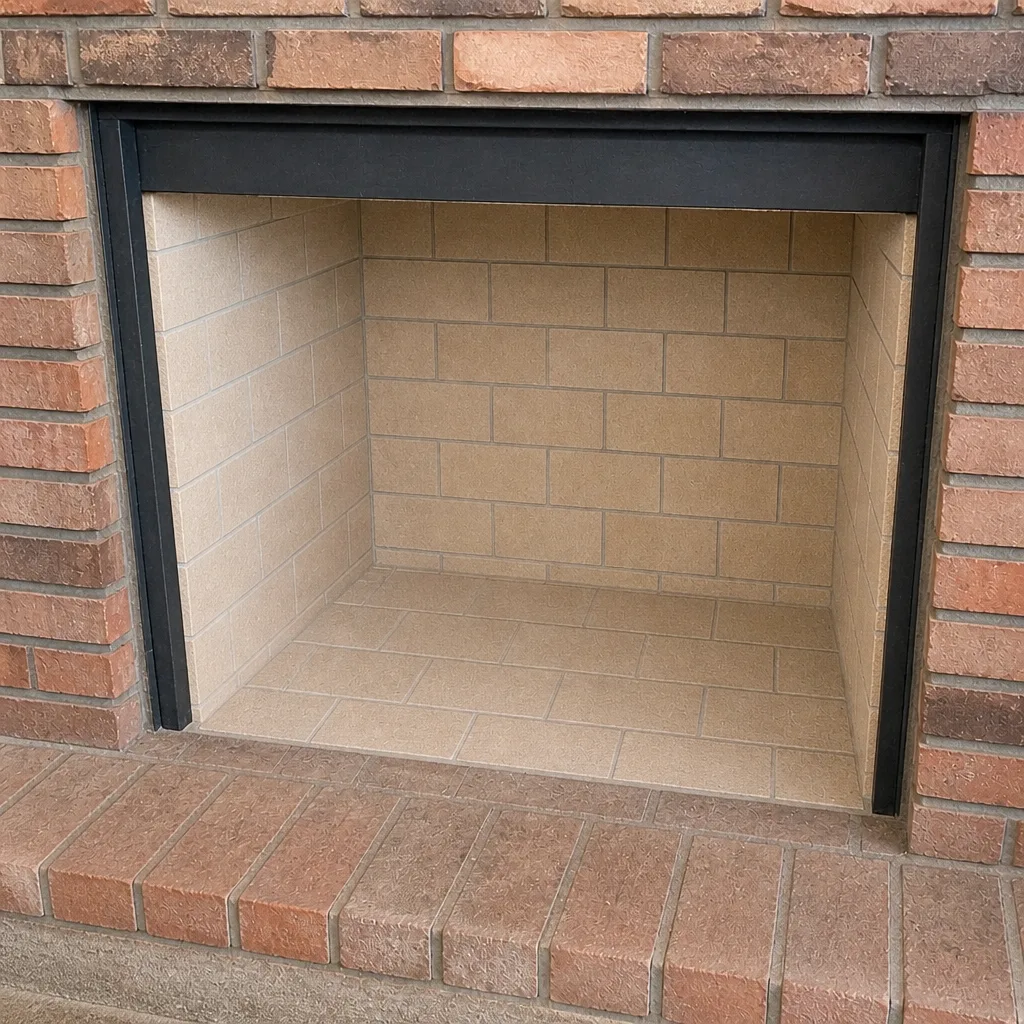
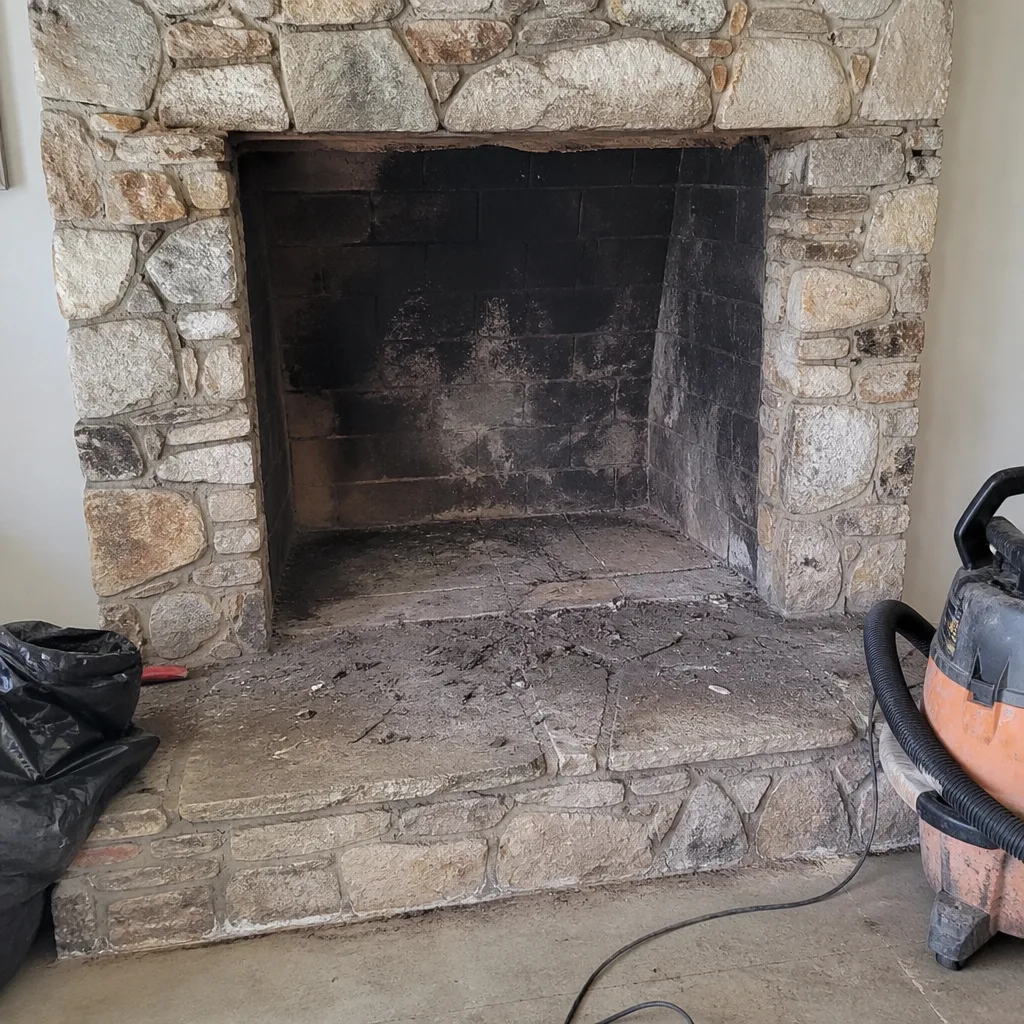
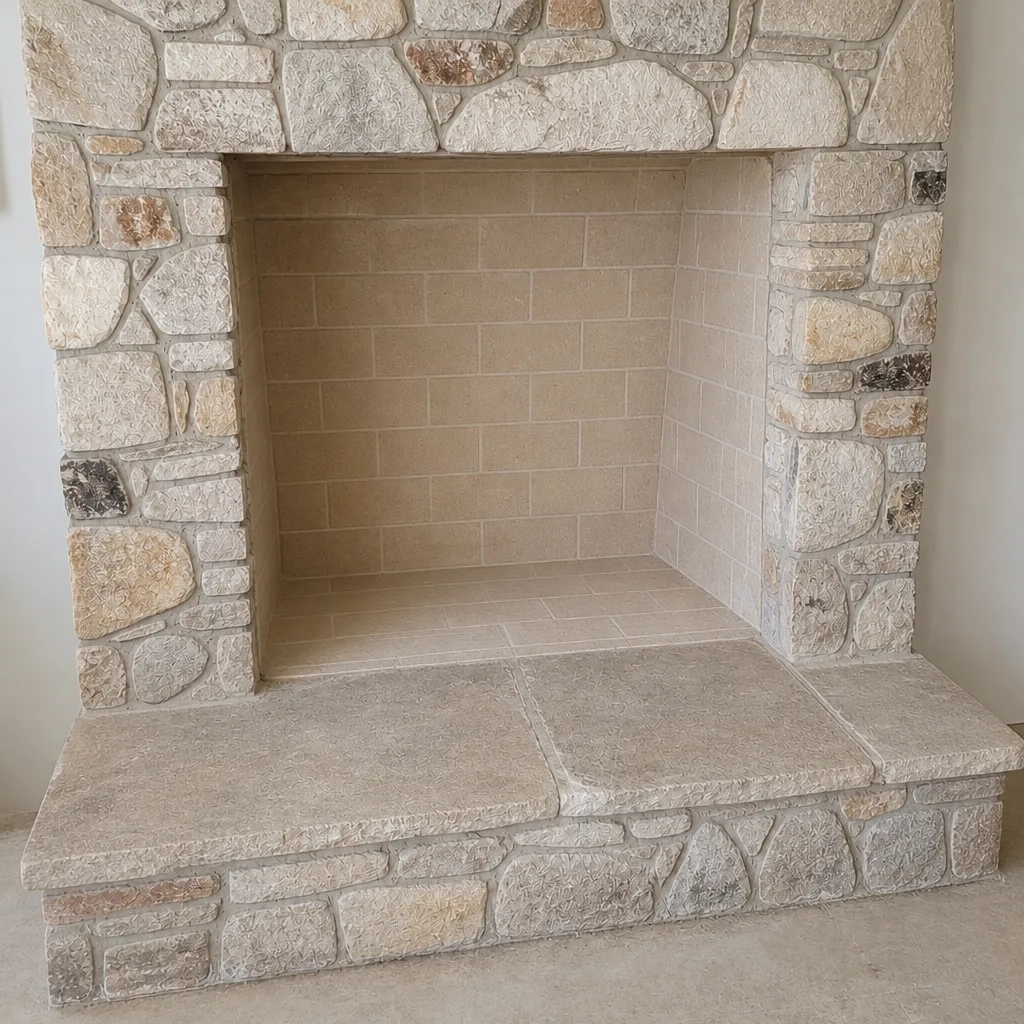
See the difference
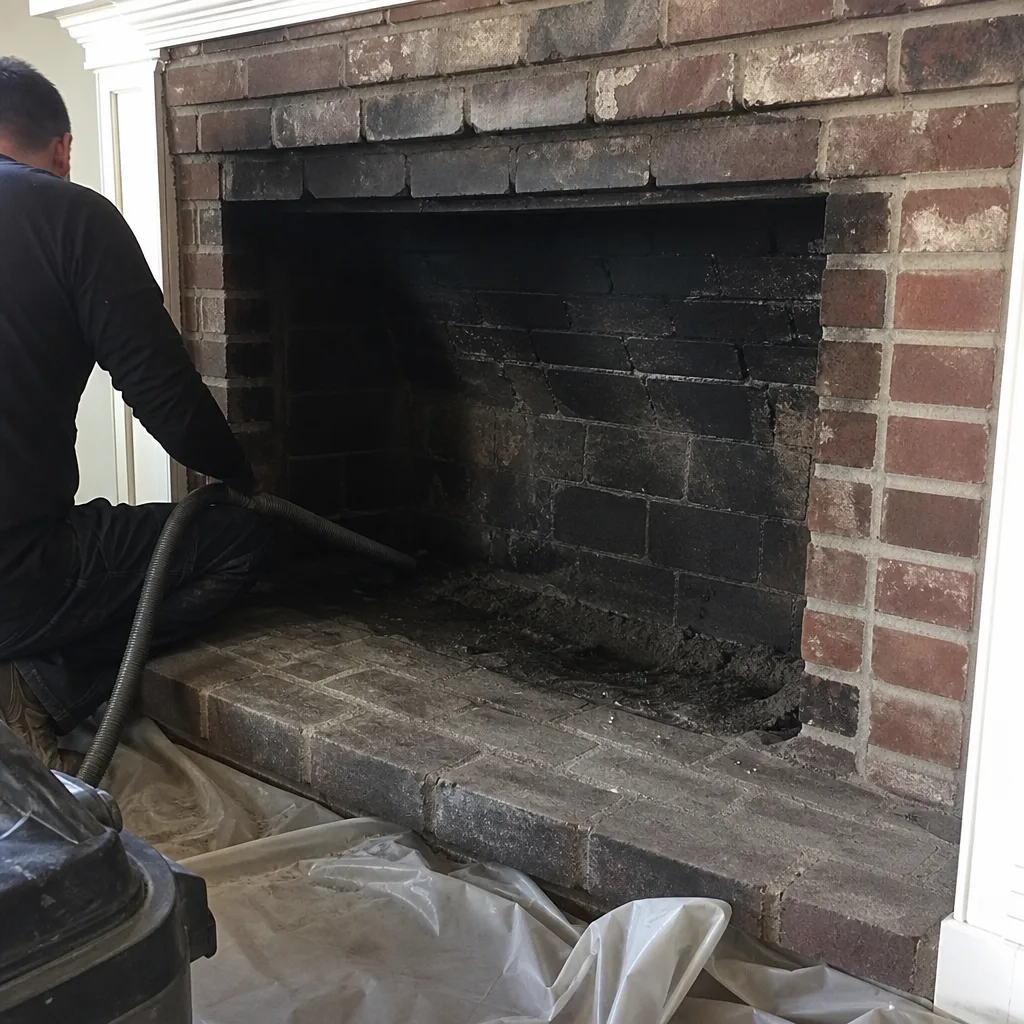 Before
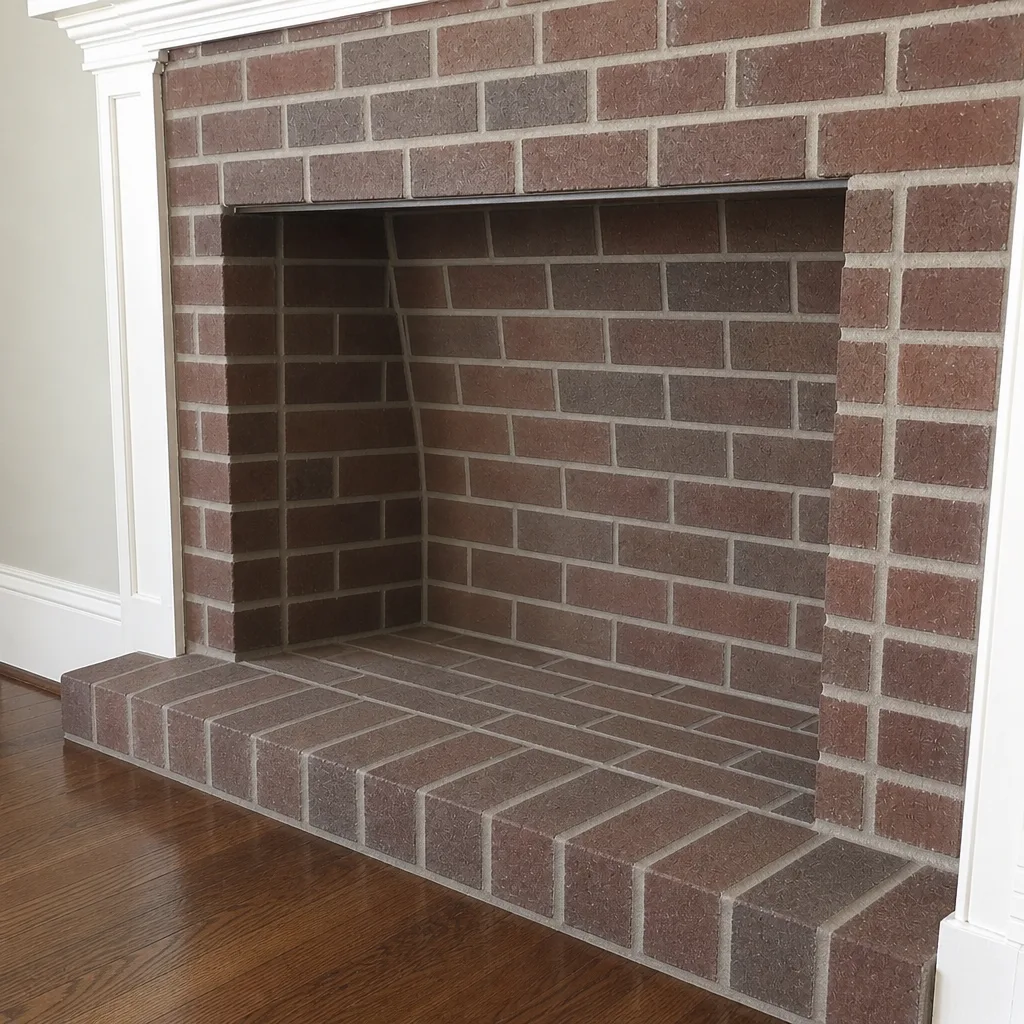 After
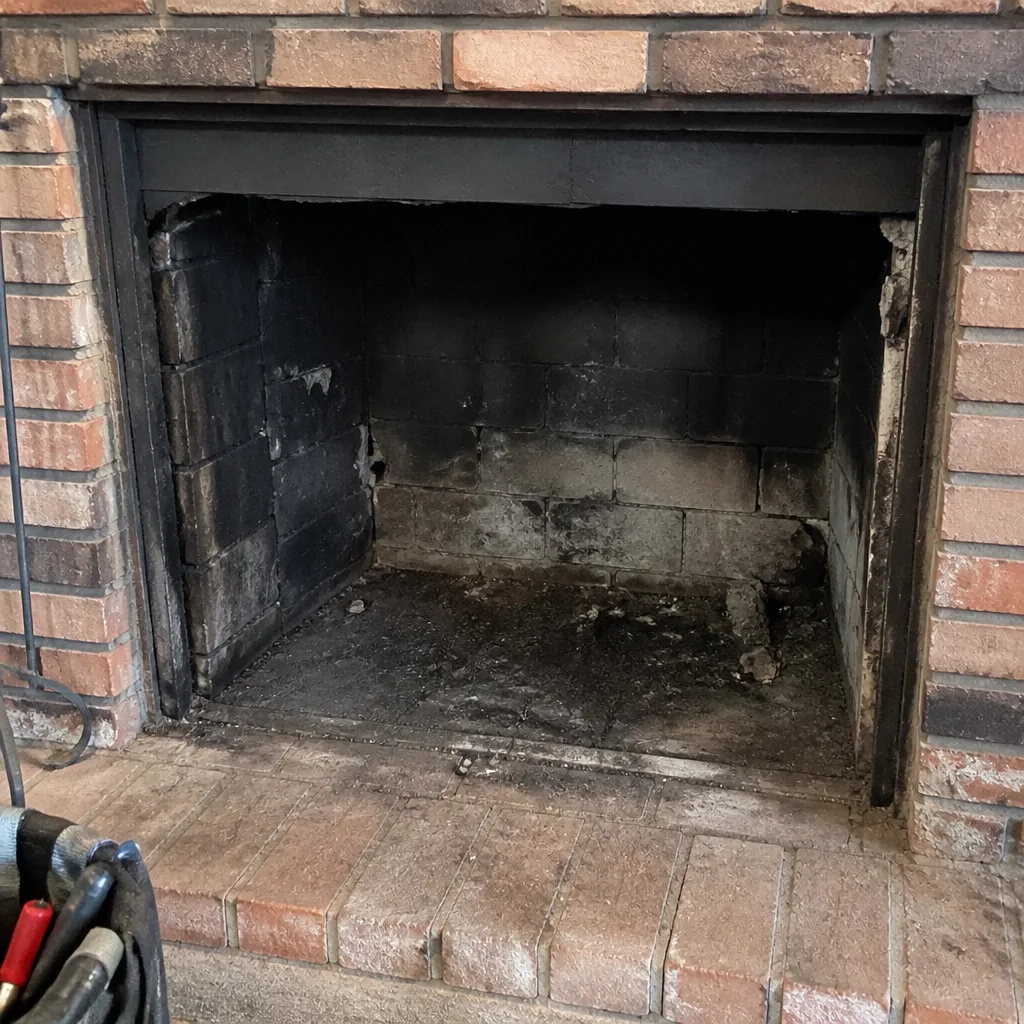 Before
 After
 Before
 After
When to Call a Professional
Call a professional when a cleaning reveals something structural, when you’ve had a chimney fire even if it seemed small, when you’re buying or selling a home with a chimney, and when you’re considering a reline, firebox repair, or gas appliance change. Those are the moments where permit status, code compliance, and safe venting all intersect. The local technician is licensed and insured as their state requires, and the sweep and the camera inspection come with a written report and photo documentation you can review before any repair decision. Chimney work is safety work, and carbon monoxide venting is not a place to guess. Chimney Sweep West Hills offers free estimates in West Hills. Call (855) 337-1817. We answer 24/7. Fast dispatch from 7am to 7pm, Sunday through Friday.
Frequently Asked Questions
No. Routine chimney cleaning and inspection do not require a building permit in West Hills or anywhere in California. Sweeping and inspection are maintenance and evaluation, not construction. The permit question only comes up if the inspection reveals damage that requires relining, structural repair, or a gas appliance change. Call (855) 337-1817 for an exact quote on a sweep or inspection; estimates are free.
Yes, a full chimney reline typically requires a permit under Los Angeles County building codes, because it changes the venting system of your home. The permit is pulled before work begins, and the county inspects the liner installation before the chimney is closed up. If a contractor offers to reline without a permit, ask why, and get the answer in writing. Call (855) 337-1817 for an inspection that documents the actual condition of your flue first.
You can check the permit history for any West Hills address through the Los Angeles Department of Building and Safety. Search by address, and look for permits related to chimney, fireplace, masonry, or appliance work. If recent chimney work has no permit on record, an inspection can tell you the condition of the chimney today, though it can’t verify the original installation. Call (855) 337-1817 to schedule an inspection; estimates are free.
No, it doesn’t reduce the need for maintenance. SCAQMD curtailment days limit wood burning in the Los Angeles basin, but creosote still accumulates on the days you do burn, and a partially blocked flue makes buildup worse. The annual sweep and inspection schedule stays the same regardless of how often you use the fireplace. Call (855) 337-1817 to book a sweep before your next burning season.
A contractor should provide a written scope of work, a clear statement of whether a permit is required (and the permit number if one is), photographic evidence of the damage being repaired, and a written per-job estimate. Those four items protect you if the job is ever inspected, sold, or disputed. If a contractor won’t provide them, look elsewhere. Call (855) 337-1817 for a free estimate with the photo report included.
No. Gas insert and gas log installation changes the venting system and falls under California appliance and venting regulations, which require a permit. The county inspects the venting connection and the appliance installation. An unpermitted gas install leaves you with a venting system nobody has verified for carbon monoxide safety. Call (855) 337-1817 to discuss what a compliant install looks like.
The Bottom Line
The permit line runs between cleaning and repair, and knowing which side of it you’re on protects your home and your home sale. Routine sweeping and inspection in West Hills need no permit. Relining, firebox reconstruction, structural repair, and gas appliance changes generally do. Ask for the scope in writing, ask whether a permit is required, ask for photo evidence of the damage, and check the permit history through the county when you buy or sell. A clean chimney is the starting point, not the finish line. Protect the flue, protect the home. Call (855) 337-1817. We answer 24/7. Fast dispatch from 7am to 7pm, Sunday through Friday.
Written by the team at Chimney Sweep West Hills.