
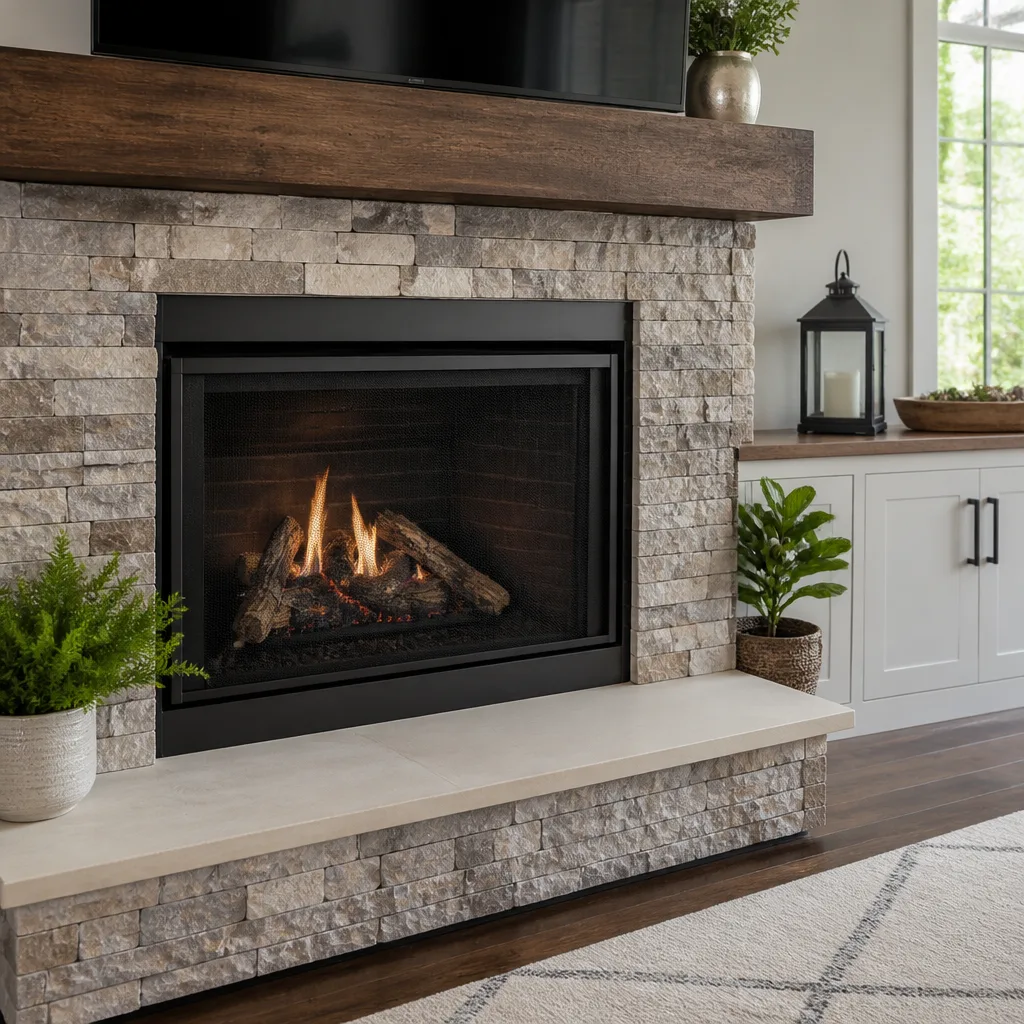
 Gas fireplace service
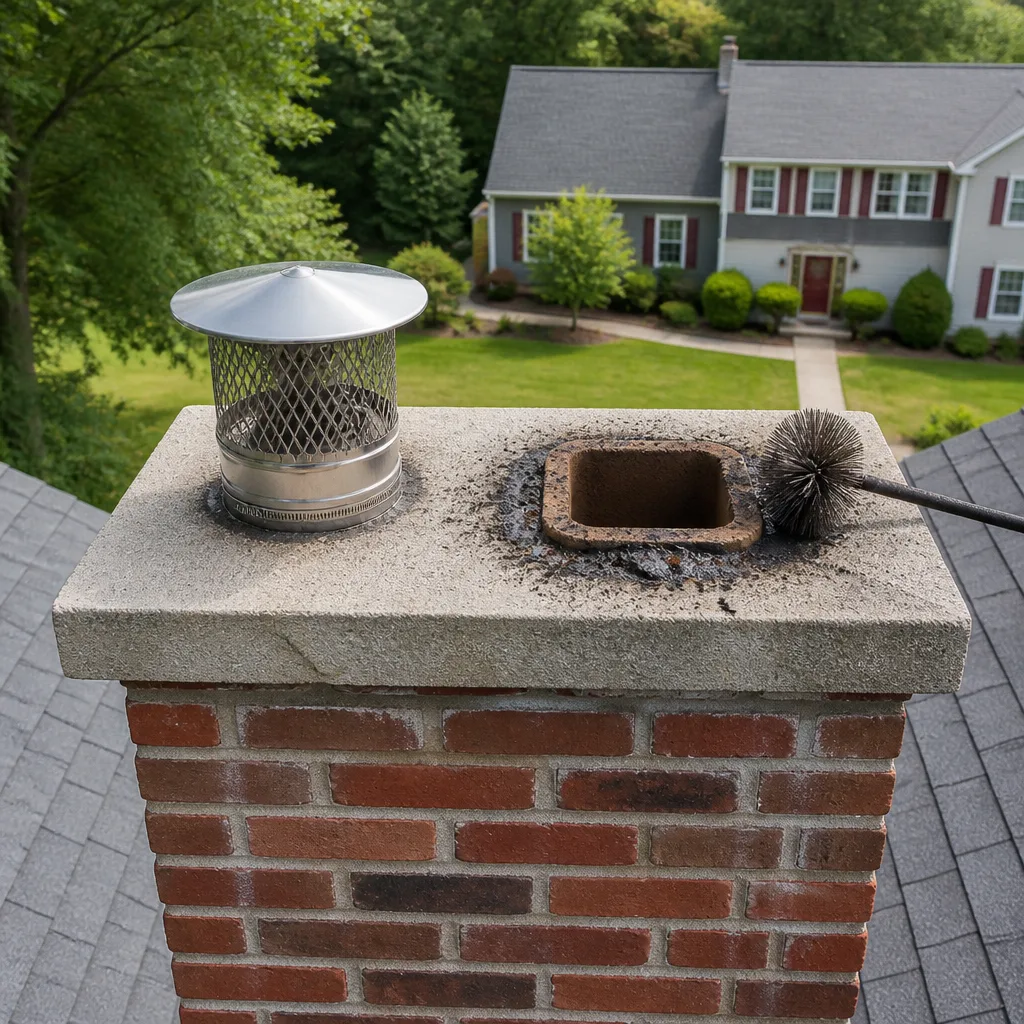 Sweep & inspection
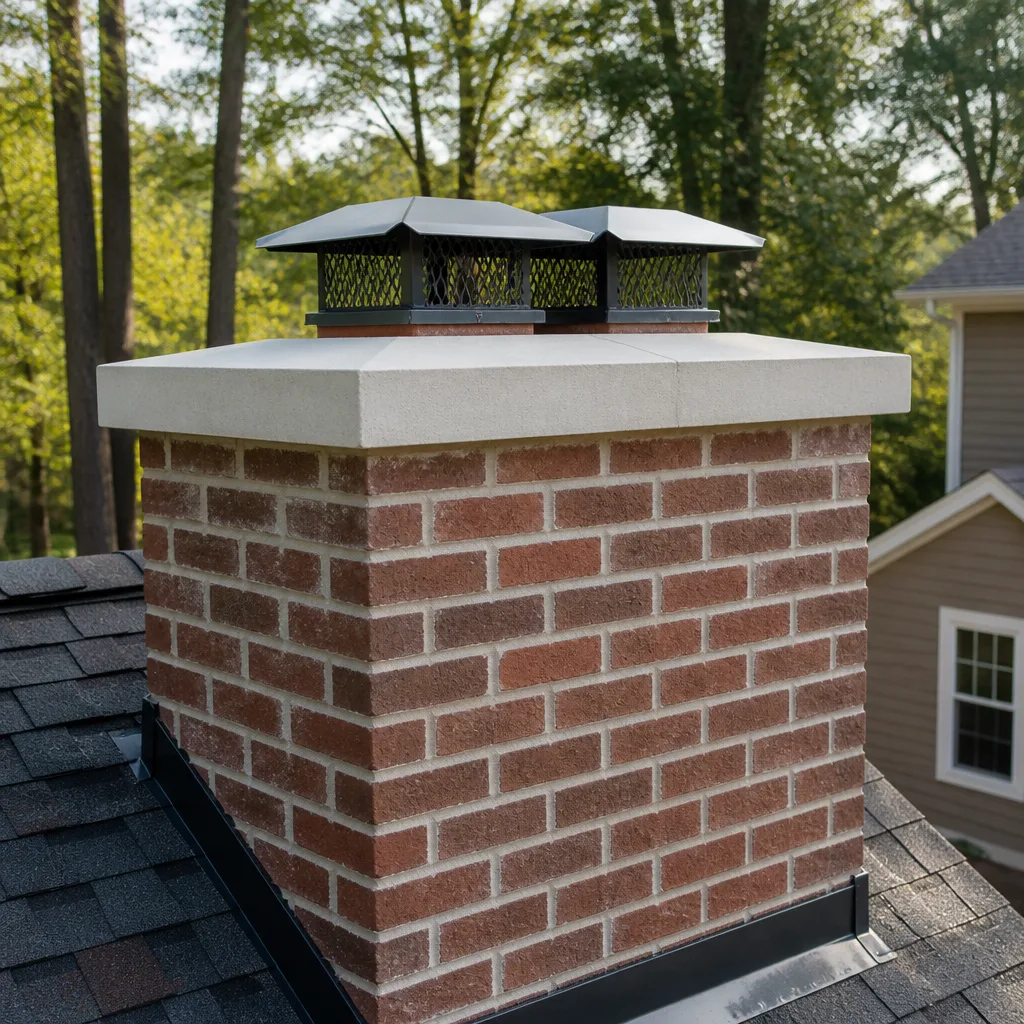 Caps & crowns
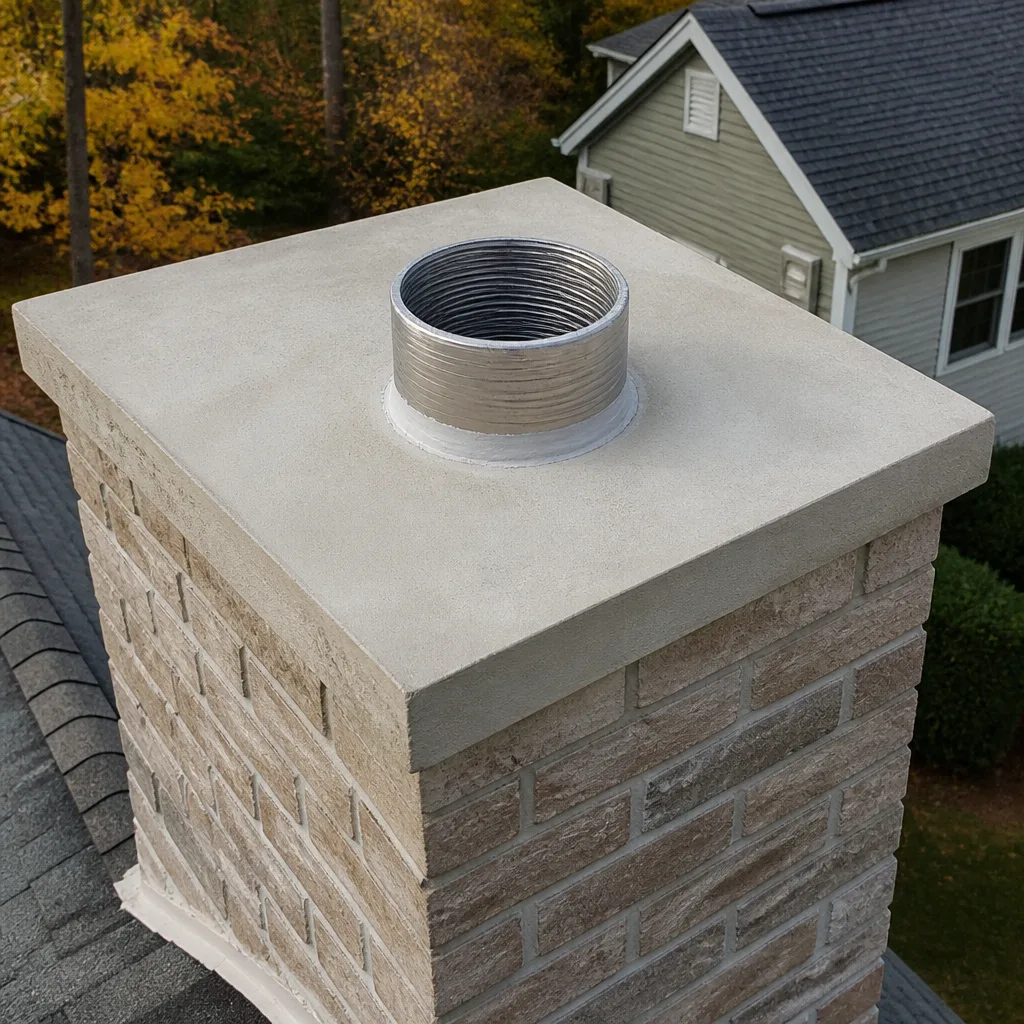 Flue relining
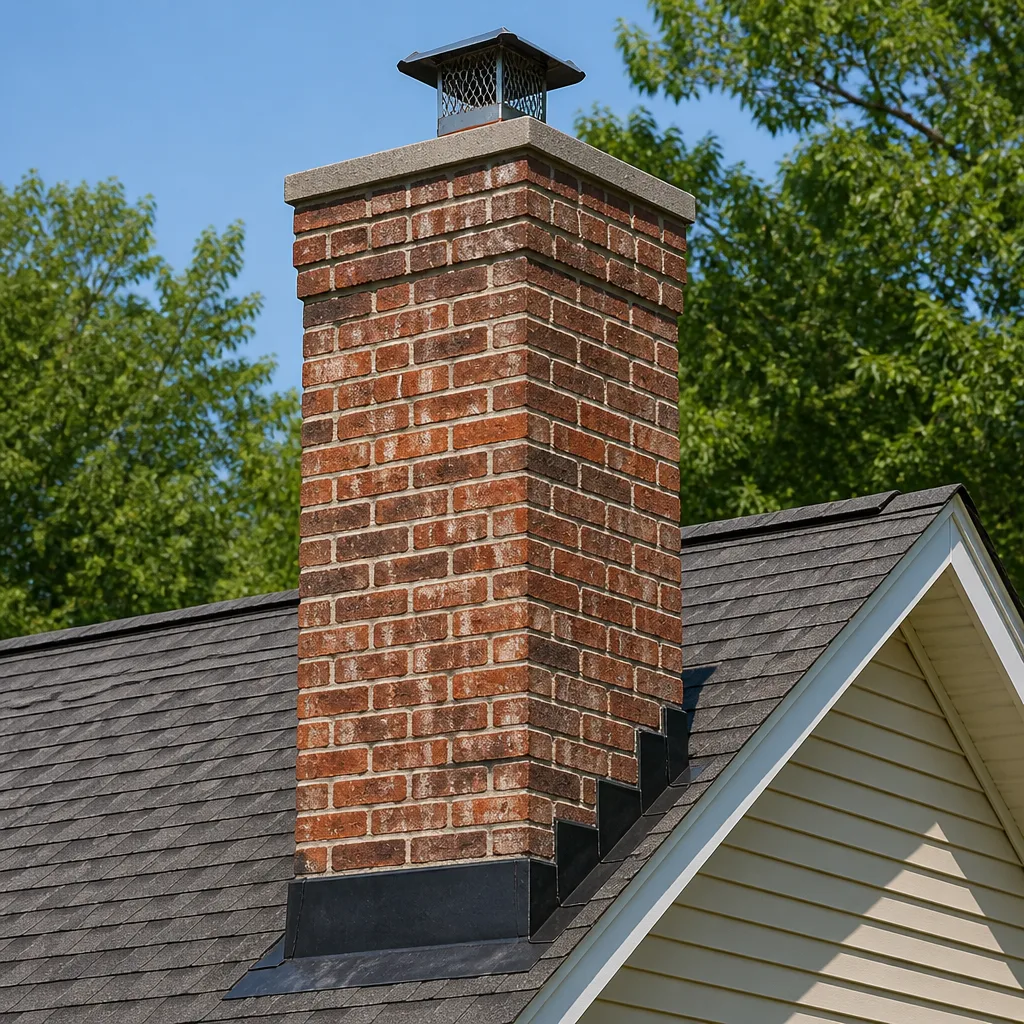 Masonry repair
Level 1 sweep and inspection to the NFPA 211 annual standard - flue, crown, cap, and flashing checked and photographed
Chimney sweep logs do not sweep chimneys. They loosen some creosote - which then falls where a brush and vacuum still have to collect it.
Why West Hills Homeowners Choose HeatShield Chimney Cleaning
We provide independent HeatShield chimney cleaning and service in West Hills, CA. That means we inspect, clean, repair and restore HeatShield-lined chimneys without any manufacturer affiliation, so our recommendations come from what the flue actually needs, not from a sales program. We’re an independent HeatShield service provider, and we say that plainly: we are not affiliated with, authorized by, or endorsed by HeatShield.
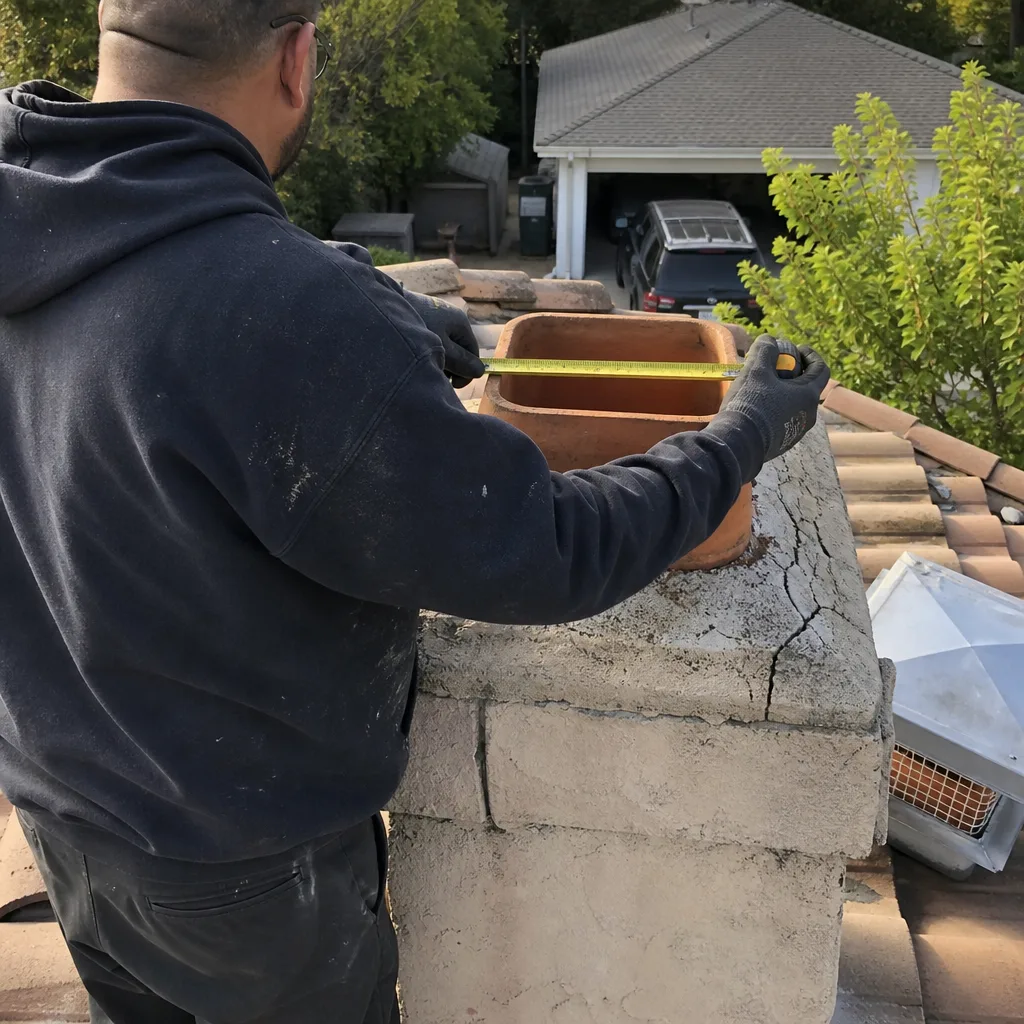
What sets our HeatShield work apart is range. We handle the full lifecycle of a HeatShield system in West Hills, from creosote removal and Level 2 inspection through crown repair and localized liner restoration. Our technicians have up to 9 years of experience, and they work with the same professional-grade materials chimney professionals specify. One company carries the job from diagnosis to repair. Call (855) 337-1817 for a free estimate. We answer 24/7. Fast dispatch from 7am to 7pm, Sunday through Friday.
Why Trust Chimney Sweep West Hills for Your HeatShield Chimney Cleaning?
HeatShield resurfacing is a cast-in-place ceramic liner system for masonry flues, and it takes experience to read one. The surface tells you a lot if you know what you’re looking at: how the ceramic cured, where it meets the flue collar, whether the insulation behind it has held. Our technicians have worked on HeatShield systems across West Hills and know how these liners age in Southern California’s dry, seismic climate, where ground movement and repeated heating and cooling cycles leave their marks on masonry.
We use quality parts that fit HeatShield equipment, and we’re careful about what that means. A repair should restore the system’s function without disturbing what’s still sound. That’s the warranty-safe approach: we don’t cut, chip or demo a liner that doesn’t need it, and we don’t push a full replacement when a localized fix will hold. We’re an independent shop, not a HeatShield dealer, and we don’t claim factory training or certification we don’t have. What we do claim is familiarity with the product and a clear diagnosis before any work begins. HeatShield restoration is technical work, and it deserves a technician who reads the flue first. Call (855) 337-1817 for a free estimate.
Styles & brands we work with
- Sweep & inspection
- Caps & crowns
- Flue relining
- Masonry repair
- Gas fireplace service
Common HeatShield Chimney Cleaning Problems We Fix in West Hills
West Hills sits in the foothills of the Santa Monica Mountains, where many hillside homes heat with wood-burning fireplaces through the December-to-February cold and Santa Ana winds drive sharp temperature swings that cure and crack creosote and stress masonry. That combination shows up in HeatShield systems in predictable ways. Here’s what we see most.
- Ceramic liner delamination and joint cracking. This is the classic failure on older West Hills masonry fireplaces. Repeated heating and cooling cycles open hairline cracks along the flue joints, and the cast ceramic starts to separate from the masonry behind it. Left alone, those cracks let heat and gases reach the surrounding structure. A Level 2 inspection catches it before it spreads.
- Insulation mix settlement. HeatShield’s vermiculite-based insulation backfill can settle over the years, leaving gaps behind the liner. Those gaps cut the insulation value and let moisture reach the masonry, which is a slow problem that gets expensive. Settled insulation is common on chimneys that have seen a lot of seasonal use.
- Crown Coat membrane peeling or bubbling. A flexible crown membrane only bonds to a surface that’s clean and dry. Applied over a dirty or damp crown, it peels, bubbles and traps water underneath instead of shedding it. We see this on West Hills chimneys after wet winters test the crown’s drainage.
- Cap loosening and fastener corrosion. HeatShield stainless caps hold up well, but the fasteners are the weak point. After a Santa Ana wind event, technicians commonly find masonry cracks and loose caps that went unnoticed. A loose cap lets water and debris into the flue.
- Debris clogging caps and screens on hillside lots. In canyons around West Hills, drought-stressed trees drop debris that clogs caps and screens. A blocked cap doesn’t just restrict draft; it holds moisture against the liner and crown, and it’s a fire-loading problem waiting for the next burn season.
HeatShield Parts & Our Repair-vs-Replace Approach
Genuine HeatShield components are used when the repair calls for them. For many older systems, though, OEM parts are discontinued or cost-prohibitive, and high-quality compatible aftermarket liners, caps and sealants are a sound alternative. We choose parts by fit and function, not by label, and we explain the trade-offs before you decide.
Our approach leans toward repair over replacement whenever the existing HeatShield liner is structurally sound and the failure is localized. Full relining is recommended only when the liner is cracked through or the insulation has failed extensively. That’s the honest line, and we show you the camera evidence so you can see it for yourself. Nothing is recommended without it, and we’ll tell you plainly when work can safely wait. If you’re facing a repair decision, call (855) 337-1817 and we’ll walk you through what your flue actually needs.
Our HeatShield Service Process – Step by Step
- 1
Diagnosis. We start with a Level 2 inspection, camera-scoping the flue to read the HeatShield liner’s condition, check the insulation behind it, and inspect the crown and cap for related water intrusion. You get the photo report.
- 2
Repair or install. Once the actual failure is identified, we sweep the flue to clear creosote, then repair or restore. That might mean removing failed liner sections and re-insulating, resurfacing damaged areas with a compatible HeatShield system, repairing the crown, or resecuring a loose cap.
- 3
Test. We finish with a sweep and a smoke test to confirm draft and a clear flue. Any cap or crown issue gets checked in the same visit, so water infiltration doesn’t undo the repair.
- 4
Warranty. We document the materials used and the work performed, and we explain what the HeatShield manufacturer covers versus our workmanship, so your coverage stays intact.
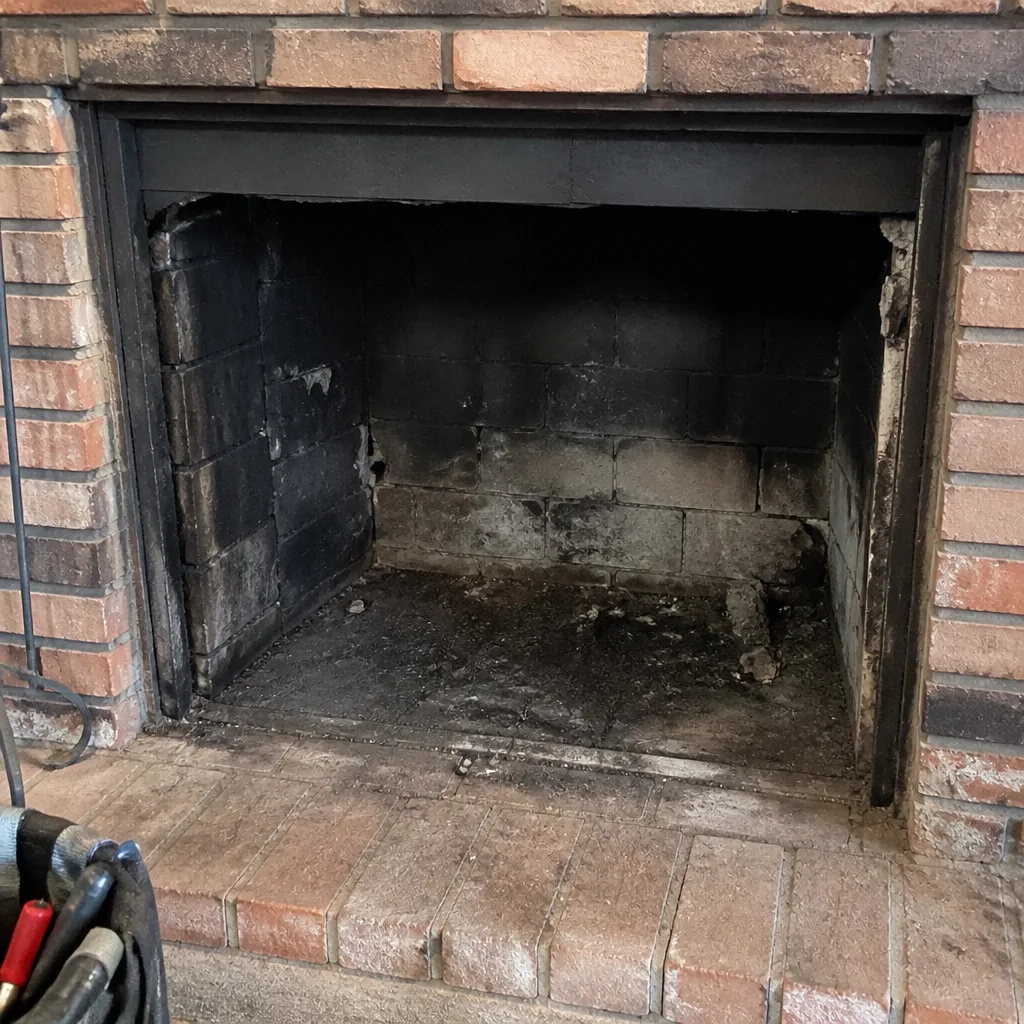
See the difference
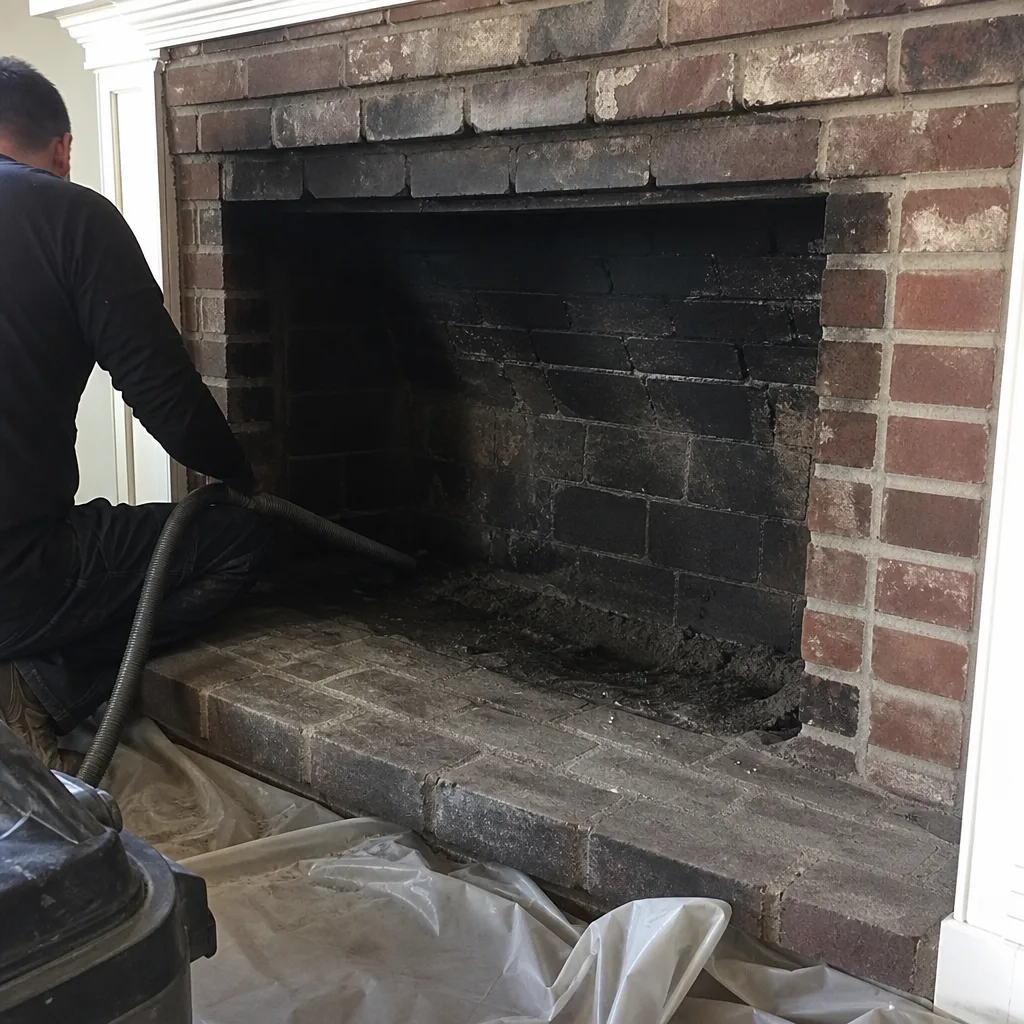 Before
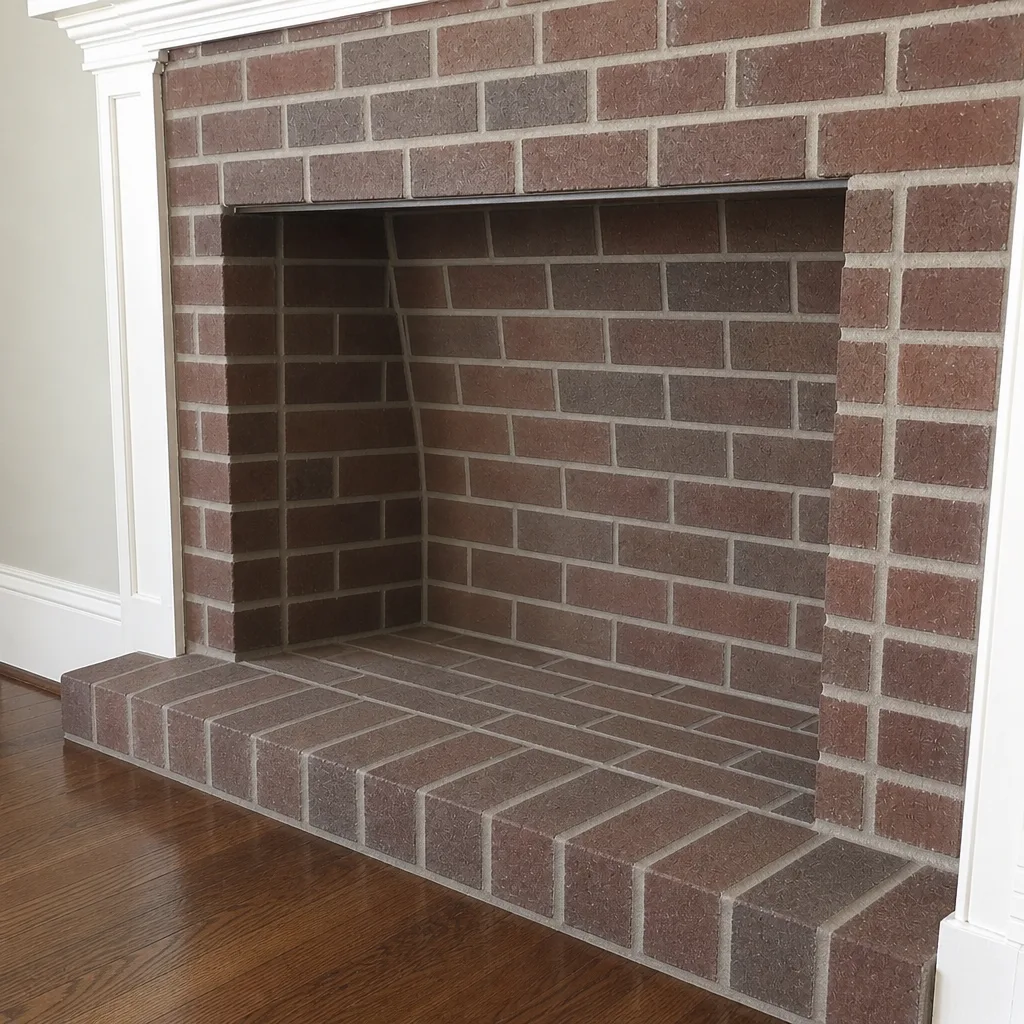 After
 Before
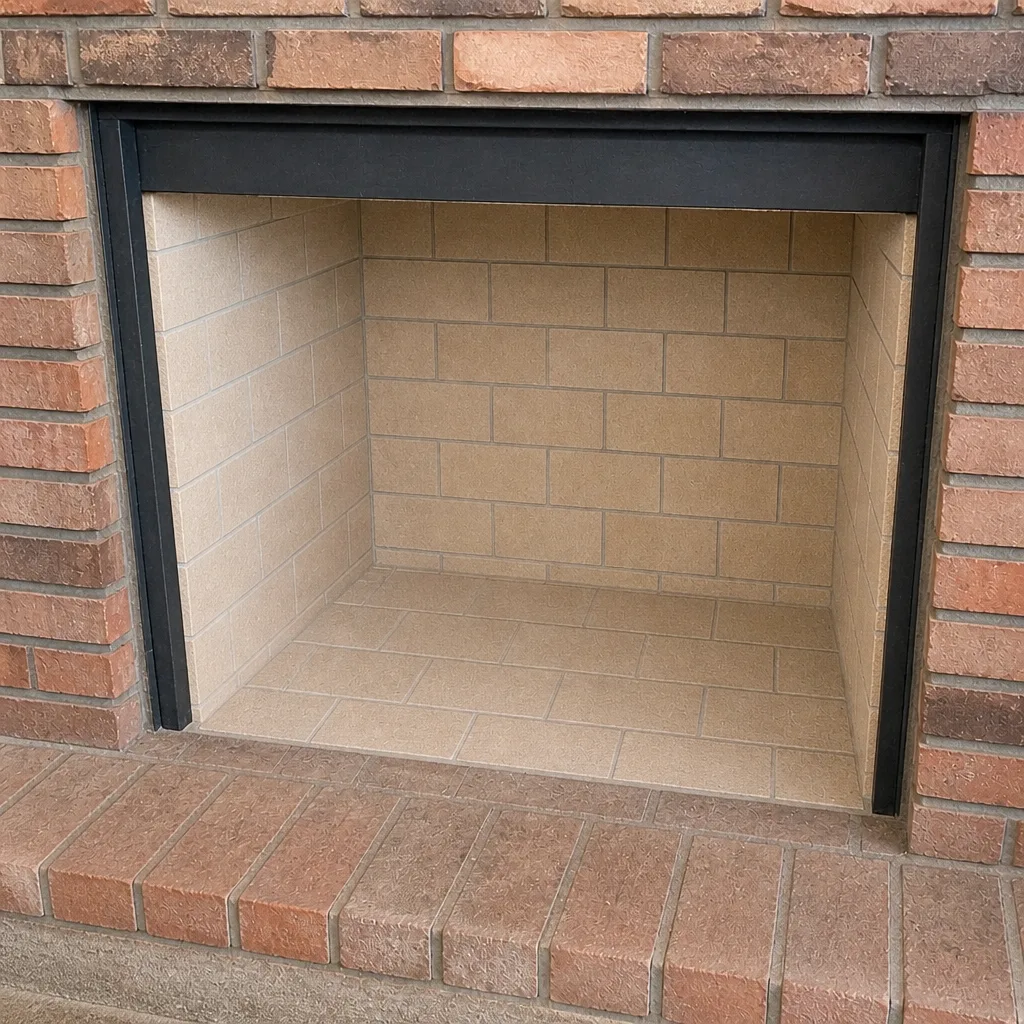 After
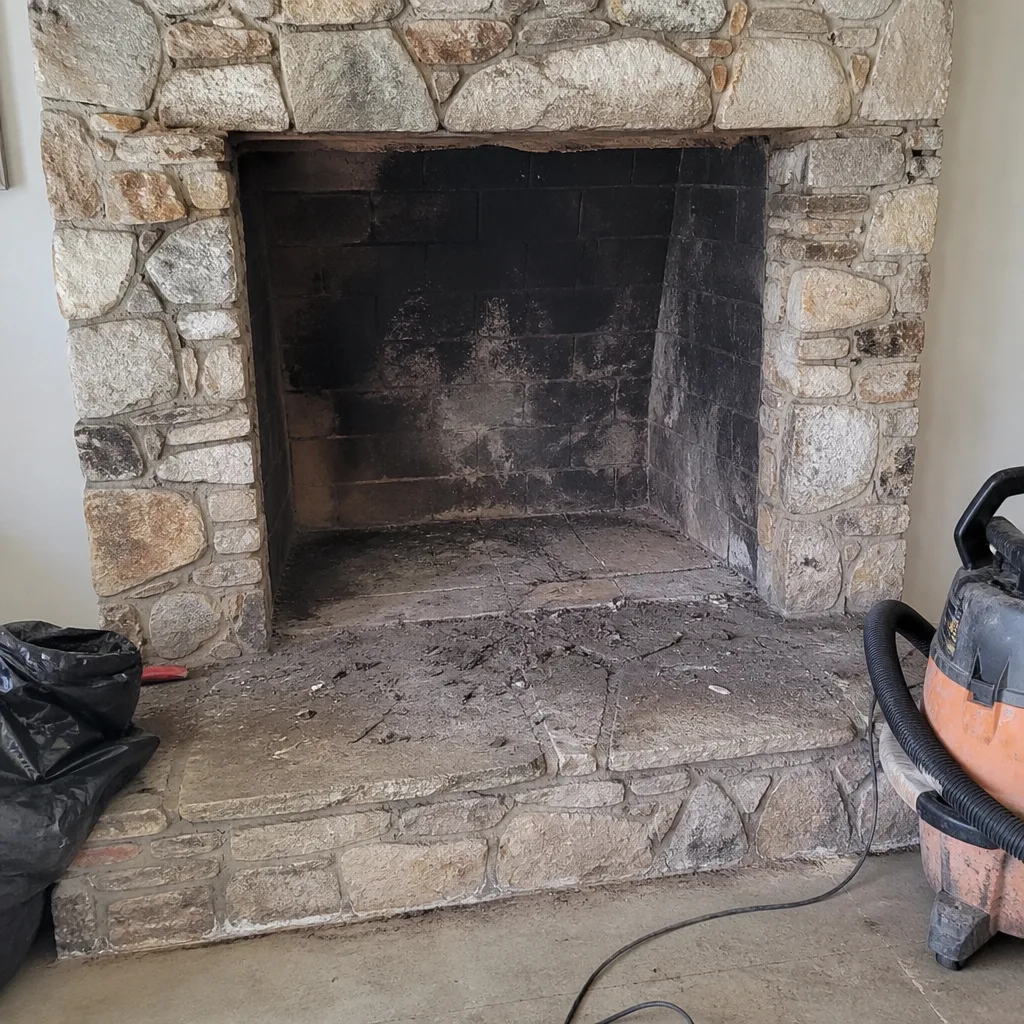 Before
 After
HeatShield Products We Service & Install in West Hills
We service the full HeatShield range, including the ceramic resurfacing system used to restore masonry flues, the vermiculite-based insulation mix that backfills behind the liner, the flexible Crown Coat membrane for crown repair, and the stainless single-flue and multi-flue caps. Each one plays a role in protecting the flue and the home, and each ages differently in West Hills conditions. We work with them as a set, because a good liner behind a failing crown doesn’t protect much. We also handle creosote removal before any restoration, since a dirty flue can’t be read accurately and shouldn’t be resurfaced.
We Also Service These Brands
HeatShield isn’t the whole picture, and we’re not a single-brand operation. We also work with DuraFlex flexible liner systems for full relines and complex flue runs, and Gelco products where the job calls for them. That range matters in West Hills, where the housing stock splits between original masonry fireplaces and newer factory-built metal chimneys. One company covers diagnosis through repair, so you’re not juggling contractors mid-project.
FAQs – HeatShield Chimney Cleaning Service in West Hills
No. We are an independent HeatShield service provider and have no affiliation with, authorization from, or endorsement by HeatShield. That independence is deliberate: we recommend what the flue needs, not what a manufacturer program rewards.
Yes. We use genuine HeatShield components when the repair calls for them, and high-quality compatible aftermarket parts when OEM parts are discontinued or cost-prohibitive. Every part is chosen for fit and function, and we explain the choice before we start.
It depends on the work. A cleaning and Level 2 inspection is typically a single visit. Localized liner repair or re-insulation usually takes longer, and a full restoration spread across an older masonry flue can run more than a day. We confirm the scope and timeline on the written estimate before booking. Call (855) 337-1817 for an exact timeline.
We service the ceramic flue resurfacing system, the vermiculite-based insulation mix, the flexible Crown Coat membrane, and the stainless single-flue and multi-flue caps. We handle these together so the liner, crown and cap work as one system.
Standard servicing done with quality compatible parts shouldn’t void your coverage; an unapproved repair or the wrong material can. We document the materials used and the work performed, and we flag what falls under the HeatShield manufacturer’s coverage versus our workmanship. If a repair puts coverage at risk, we tell you first.
Cleaning and inspection is priced per job by the written estimate, and HeatShield-specific repair or restoration is quoted separately once the camera inspection shows what’s actually failing. There’s no charge for the estimate. Call (855) 337-1817 for an exact quote. Estimates are free.
Watch for smoke backing into the room, a smoky smell when the fireplace isn’t in use, or crumbling at the flue collar. Those symptoms usually mean cracked liner sections or settled insulation, and a camera inspection confirms it.
It can, when it’s applied to a clean, dry crown and the underlying cracks are addressed first. Painted over a dirty or damp crown, it peels and traps water instead. Proper prep is what makes it hold.
We don’t recommend it. A multi-flue cap has to be sized and fastened correctly, and an improperly secured cap loosens in high wind and lets water into the flue. It’s height work with real fall risk, so have a trained professional do it.
A smoky smell with no fire usually means a draft problem or moisture in the flue. Settled insulation, a cracked liner joint, or a loose cap letting water in can all cause it. West Hills’s wet winters and dry summers make that cycle worse.
It depends on the appliance and the venting setup. Gas inserts vent differently than wood, and the liner has to match the manufacturer’s venting spec. We check the appliance and venting before recommending any resurfacing.
Book Your HeatShield Service in West Hills, CA
If your fireplace has a HeatShield liner and something feels off, or you want a pre-season inspection before the burning season starts, call (855) 337-1817 for a free estimate. We answer 24/7. Fast dispatch from 7am to 7pm, Sunday through Friday. One company for the sweep, the inspection and the repair.
Written by the team at Chimney Sweep West Hills.